How to Transplant Rambutan?
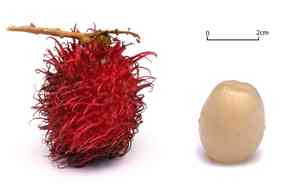
The ideal period for relocating rambutan plants is from mid to late summer, allowing for optimal root development prior to colder temperatures. Select a bright, adequately drained spot and ensure consistent soil hydration. This fosters vigorous development for the rambutan in its new environment.
What Preparations are Needed Before Transplanting Rambutan?
What is the Ideal Time for Transplanting Rambutan?
Late summer and early autumn are optimal periods for relocating rambutan. During this mild transitional phase, the weather becomes more favorable, allowing roots to establish well in their new spot. Moving rambutan at this time promotes vigorous development, supported by summer's warmth and the approaching moist, cooler conditions of early fall â a combination that offers perfect circumstances. Additionally, it capitalizes on summer's energy without the strain of peak temperatures. This strategic timing ensures rambutan experiences a smooth adjustment, boosting its survival and thriving.
How Much Space Should You Leave Between Rambutan Plants?
When preparing to move your rambutan saplings, position them approximately 12-15 feet (3.6-4.6 meters) apart. This generous spacing helps guarantee each plant has ample room to grow and flourish!
What is the Best Soil Mix for Rambutan Transplanting?
Place your rambutan in rich, loamy soil. To enrich the soil, incorporate a base layer of compost or organic fertilizer. This encourages robust root growth and ensures a healthy tree.
Where Should You Relocate Your Rambutan?
Your rambutan thrives in sunlight, so select a spot that receives full sun exposure. It tolerates heat well and grows best under bright light. Shield it from strong winds if possible!
What Equipments Should You Prepare Before Transplantation Rambutan?
Gardening Gloves
To safeguard your hands while handling soil and rambutan.
Garden Trowel or Spade
Perfect for excavating the rambutan from its original site and for planting it in the new location.
Watering Can
To hydrate the soil around rambutan both prior to and after its relocation.
Wheelbarrow or Garden Cart
Useful for moving rambutan without causing any harm to the plant.
Garden Shears
Required to trim any damaged roots or branches before transplanting rambutan.
How Do You Remove Rambutan from the Soil?
How Do You Remove Rambutan from the Soil?
From Ground: First, water the rambutan to moisten the soil. Next, dig a deep trench around the plant using a garden trowel or spade, ensuring the plant's rootball remains intact. Then, carefully slide the spade under the rootball to lift the rambutan plant from its original location.From Pot: Begin by thoroughly watering the rambutan. Afterward, gently tip the pot sideways while supporting the plant's stem with your hand. The goal is to extract the plant along with its undisturbed rootball. If it resists, tap the pot's sides to loosen the soil and try again.From Seedling Tray: Ensure the rambutan seedlings have at least two sets of true leaves. Loosen the soil around the seedling using a dibber and carefully lift it along with the soil it grew in.
Step-by-Step Guide for Transplanting Rambutan
Digging the Hole
Excavate a hole at the chosen transplant site that is 2-3 times the width of your rambutan's rootball. It should also be slightly deeper than the root ball's height.
Preparing the Plant
Gently untangle any roots circling the edges of the root ball. Prune away any severely matted or broken roots. For stems or branches, remove any that are broken, dead, or diseased.
Planting
Carefully place your rambutan plant into the hole. The top of the rootball should sit slightly above the surrounding soil level. Backfill the hole with the excavated soil.
Watering
After planting, thoroughly water the rambutan. If the soil settles, add more soil to keep the plant's base firm.
Mulching
Apply a layer of mulch around the plant to help retain moisture and prevent weed growth.
How Do You Care For Rambutan After Transplanting?
Regular Monitoring
Keep a close watch on your rambutan after transplanting. Periodically check for signs of stress such as wilting, yellowing, or dropped leaves. If any of these occur, it might indicate a need for more or less water, or a potential pest infestation.
Pruning
Trim off any growth that appears weak or unhealthy, as these sections place unnecessary strain on the plant's recovery process.
Watering
Ensure the soil around the rambutan remains consistently moist, but not waterlogged. Rambutan prefers well-drained soil, so excessive watering could harm the plant.
Pest Control
Look out for any indications of pest infestations, such as chewed leaves or sap. If you notice something, consider natural pest control methods.
Troubleshooting Common Issues with Rambutan Transplantation.
When's the best time to transplant rambutan?
The ideal period to move rambutan is during the S5-S6 season. This allows the roots to establish before heat or cold stress occurs.
What's the preferred spacing between rambutan plants?
Ensure a spacing of 12-15 feet (3.6-4.5 meters) between each rambutan plant. This distance will allow for healthy growth and good airflow.
What do I do if rambutan's leaves start to turn yellow?
Yellowing leaves may indicate overwatering or nutrient deficiency. Adjust your watering schedule and consider applying a balanced fertilizer.
Why isn't my rambutan thriving after transplanting?
Rambutan can suffer transplant shock, a common issue after moving. Keep the soil moist and avoid excessive sunlight during the first couple of weeks.
How to remedy when rambutan shows slow growth after transplanting?
If rambutan growth is slow, it may need more nutrients. Use a high phosphorous fertilizer to encourage root development and overall growth.
Why does my rambutan have weak, drooping branches after being transplanted?
This could be due to root damage during transplantation. Be gentle when transferring rambutan, ensuring to preserve as much of the root structure as possible.
What to do if rambutan's roots are rotting after transplanting?
Root rot could signify over-watering or poor drainage. Allow rambutan's soil to dry out before watering again, and make sure the planting location has proper drainage.
What's the recommended depth for transplanting rambutan?
The transplant hole should be twice as wide, and the same depth as the root ball. This promotes a good foundation for rambutan.
Can I move rambutan to a pot after growing in the ground?
Yes, you can! Make sure your pot is large enough for rambutan's root ball, and use a well-draining potting mix.
Is it safe to transplant rambutan during blooming?
Transplanting during blooming could stress rambutan, affecting the plant's health and fruit quality. Therefore, it's best to transplant during the S5-S6 season.



