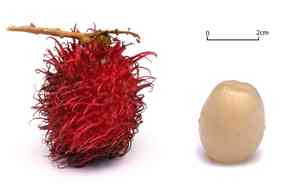
Rambutan (Nephelium lappaceum)
Also known as: Pulasan
The Mango tree (Mangifera indica) is a fruit-bearing evergreen native to Southeast Asia. Best suited for tropical climates, this tree attracts bees and other pollinators. It produces aromatic, edible fruit that is highly appreciated for its pleasant aroma.
In This Article
Attributes of Rambutan
Lifespan
Perennial
Plant Type
Tree
Plant Height
3.5 m to 4.5 m
Spread
9 m to 12 m
Leaf Color
Green Yellow White
Flower Size
2.5 cm to 5 cm
Flower Color
Yellow Green White Cream
Images of Rambutan
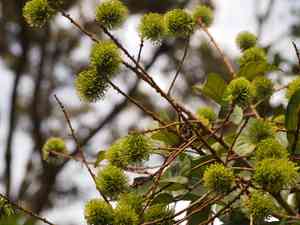
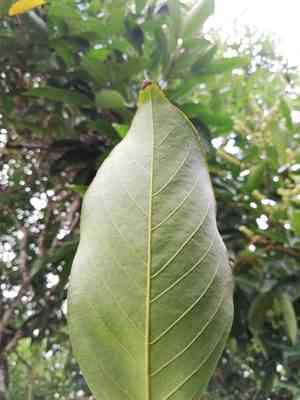
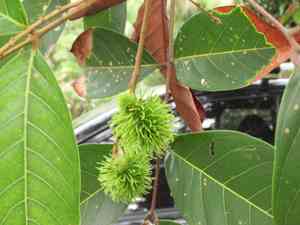
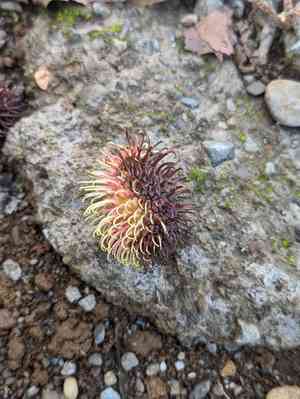
Quickly Identify Rambutan
1
Rambutan can be identified by its distinctive spiky rind and the juicy, translucent flesh that resembles that of a lychee. The fruit grows in clusters on the tree, with each individual fruit being about the size of a golf ball.
Scientific Classification of Rambutan
Phylum
Vascular plants
Class
Dicotyledons
Order
Maples, mangos, mahogany, citrus, and allies
Family
Soapberry
Genus
Nephelium
Species
Rambutan
Planting and Growing of Rambutan
Care Difficulty
Hard
Watering Schedule
Every 6 days
Sunlight Requirements
Full sun
Sunshine Duration
6-10 hours
Ideal Temperature
77-86℉
Soil Type
Potting Mix, Peat Mix
Soil pH
5.5-6.5
Fertilizer Type
Balanced
Pruning Season
Spring, Summer
Pruning Area
Branches, Leaves
Pruning Frequency
2 times a year
Repotting Season
Spring
Pot Type
Plastic, Ceramic
 How to Water Rambutan?
Rambutan plants thrive best when their soil is kept consistently moist but not waterlogged. Each watering session should aim to provide approximately 500 ml of water per plant. The goal is to ensure that the soil remains evenly moist to a depth of about 5-10 cm, without pooling water at the base.
What are the symptoms of an underwatered Rambutan?
›
What should I do if my Rambutan is not getting enough water?
›
What are the symptoms of an overwatered Rambutan?
›
How to save an overwatered Rambutan?
›
 What Are the Sunlight Requirements for Rambutan?
Nephelium lappaceum thrives best in full sun to partial sun. Adequate sunlight promotes better fruit quality and healthy foliage growth, ensuring the plant flourishes.
More About Sunlight Requirements Techniques→
What type of sun exposure does it prefer?
›
How can I ensure Nephelium lappaceum gets ideal lighting?
›
What are the benefits of ideal lighting conditions?
›
 What Is the Ideal Temperature Range for Rambutan?
The ideal temperature range for Nephelium lappaceum, commonly known as Rambutan, lies between 77°F and 86°F. This tropical fruit thrives in warm environments where the temperature remains relatively consistent, as fluctuations can lead to stress and affect fruit production. Maintaining this range ensures optimal growth and health, promoting lush foliage and juicy fruits.
 What Soil is Best for Rambutan?
Nephelium lappaceum requires well-draining soil to prevent waterlogging, which can lead to root rot. Ensuring proper drainage will help maintain healthy root structures and support overall plant vigor. This plant thrives in soil enriched with organic matter. Rich nutrients promote robust foliage and fruit production, helping the plant to perform at its best in the right conditions. Maintaining adequate soil moisture is crucial for Nephelium lappaceum. Consistent moisture ensures the plant's metabolic processes work efficiently, supporting growth and fruit development.
 How to Fertilize Rambutan?
When fertilizing Nephelium lappaceum, also known as rambutan, it’s important to provide the right amount of nutrients. For liquid fertilizers, use a balanced N-P-K ratio of 10-10-10 or 20-20-20 at half the recommended strength. Apply around 250 ml of this diluted solution per plant, ensuring even distribution around the root zone. Avoid over-fertilization by carefully measuring the amount of fertilizer and frequency of application.
 How to Prune Rambutan?
Begin by identifying branches that no longer produce fruit or that are crowding the interior. Prioritize cutting off any dead, dying, or diseased wood first. This not only promotes healthier growth but also helps prevent the spread of disease. Make your cuts at a slight angle, just above a leaf node or bud to encourage new growth. This will help avoid water accumulation and subsequent decay. Ensure each cut is clean and don't leave stubs, which may invite pests and diseases.
More About Pruning Techniques→
 How to Propagate Rambutan plant?
1
Select healthy and mature mother plants from which to take cuttings or seeds. This ensures that the new plants will inherit the vigor and resilience of the parent plant.
2
Prepare seed beds or pots by filling them with a moistened and well-draining potting mix. Ensure the surface is smooth and level to assist germination.
3
Grafting should be performed with precision and care. Use compatible rootstock and scions for successful union and perform the task in a controlled environment to support healing.
 How to Repot Rambutan plant?
1
Nephelium lappaceum should be repotted when you notice roots growing out of the drainage holes, or the soil becomes compacted and less absorbent. These signals indicate that the plant has outgrown its current container and requires more space and fresh soil.
2
Choose a pot that offers an additional 1-2 inches in diameter compared to the current one. A slightly larger pot prevents waterlogging while allowing room for root expansion, crucial for the healthy growth of Nephelium lappaceum. Ensure the pot has sufficient drainage holes.
3
Opt for a well-draining soil that is rich in organic matter to provide essential nutrients. This type of soil ensures ample root aeration, prevents water stagnation, and supports the tropical growth needs of Nephelium lappaceum effectively.



