How to Transplant Walking Iris?
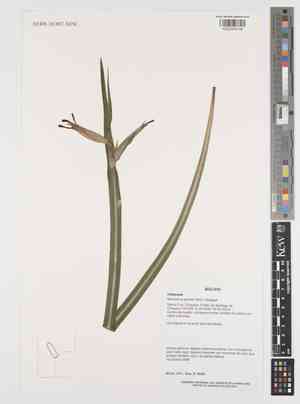
Relocating walking Iris flourishes when performed as the mild temperatures of late spring shift into early summer, allowing roots to establish firmly. Choose a partially shaded location with fertile, adequately draining earth to emulate its native environment for peak development.
What Preparations are Needed Before Transplanting Walking Iris?
What is the Ideal Time for Transplanting Walking Iris?
The optimal period for relocating your walking Iris is during the peaceful start of late spring to early summer. This timeframe provides mild temperatures and consistent weather conditions crucial for root establishment. By selecting this window, you allow the walking Iris ample opportunity to adapt and flourish, guaranteeing a vibrant growth season ahead. Transplanting at this time leverages the natural growth cycle of walking Iris, promoting robust development before the intense heat of mid-summer. Remember, a well-timed transplant leads to a healthier, stronger plant, so utilize this season for optimal outcomes.
How Much Space Should You Leave Between Walking Iris Plants?
When moving walking Iris, ensure sufficient spacing—approximately 2-3 feet (60-91 cm)—between each specimen. This provides them ample room to expand and thrive. Preparing your garden with this simple measure makes a significant difference!
What is the Best Soil Mix for Walking Iris Transplanting?
Prepare the new home for walking Iris by blending well-draining soil with a foundational fertilizer. Walking Iris prefers a slightly acidic to neutral pH. A slow-release granular fertilizer will nourish your plant, boosting its development!
Where Should You Relocate Your Walking Iris?
Regarding placement, walking Iris appreciates a good amount of sunlight, but not excessive. Select a spot with partial sun to light shade—this is beneficial for the well-being of walking Iris and will offer ideal growing conditions!
What Equipments Should You Prepare Before Transplantation Walking Iris?
Gardening gloves
To safeguard your hands while handling earth and plant matter.
Trowel
This implement is vital for excavating holes and gently extracting the plant from its container.
Shovel/Scoop
To assist in digging larger cavities for the plant's root mass.
Watering Can
For hydrating the walking Iris plant both prior to removal and following transplantation.
Mulch
It aids in preserving soil moisture after relocation.
How Do You Remove Walking Iris from the Soil?
How Do You Remove Walking Iris from the Soil?
From Ground: Hydrate the walking Iris plant to moisten the surrounding soil. Using a shovel, carefully excavate a wide trench around it, ensuring not to harm the root ball. Gradually work your tool beneath the root ball and gently lift the plant from its original spot.From Pot: Water the plant thoroughly first. Carefully invert the pot while supporting the plant and tapping the base. The plant should slide out intact with its root ball. If it doesn't, use a trowel to loosen it.From Seedling Tray: After watering, gently grasp the base of the walking Iris plant and pull upwards. The plant should be easy to extract, provided the soil is adequately moist.
Step-by-Step Guide for Transplanting Walking Iris
Preparation
Ensure the new site is ready before you begin. Dig a hole twice the width of the root ball, but no deeper. The top of the root ball should be level with or slightly above the surrounding ground.
Transplanting
Gently place the walking Iris plant into the hole. Spread out the roots if necessary. Backfill the hole halfway, then water lightly to settle the soil. Once the water has drained, refill the remainder of the hole with soil.
Final Touch
Press the soil firmly but gently around the base of the plant. This helps eliminate air pockets and secures the plant in its new location. Finally, water the plant thoroughly to ensure it gets a good start in its new home.
How Do You Care For Walking Iris After Transplanting?
Watering
Maintain consistently moist soil but prevent waterlogging. For the first couple of weeks, water the walking Iris plant deeply and regularly.
Mulching
Apply a 2-3 inch layer of mulch around the plant's base, avoiding contact with the stem. This helps retain moisture and regulate soil temperature.
Monitoring
Observe the walking Iris plant closely, especially during the initial weeks. Look for signs of stress or disease such as wilting, yellowing leaves, or slow growth. Consider consulting a gardening expert or performing a quick online search if you have concerns.
Pruning
Remove any dead or damaged stems and leaves. This promotes new growth and keeps your walking Iris looking its best.
Troubleshooting Common Issues with Walking Iris Transplantation.
When is the best time to transplant walking Iris?
The optimal season for relocating walking Iris is from late summer to early autumn. This typically spans S3-S5.
What is the correct distance to space walking Iris while transplanting?
A spacing of 2-3 feet (60-90 cm) allows walking Iris ample room to grow and spread.
What is the ideal soil for transplanting walking Iris?
Choose well-drained soil rich in organic matter. If the soil is overly damp, incorporate some compost or peat moss to improve drainage.
How deep should I plant walking Iris during transplanting?
Ensure the holes are large enough for the roots to extend, typically about 10 inches (25 cm) deep is a good starting point.
How can I ensure the survival of walking Iris after transplanting?
Walking Iris thrives in partial sunlight, so placing them in a spot with filtered light is beneficial. Also, water it regularly but avoid overwatering, maintaining a moderate moisture level.
What should I do if my transplanted walking Iris shows signs of withering?
First, check the moisture level; it should not be too dry or too damp. Then ensure partial sunlight exposure, as walking Iris does not fare well in full sunlight.
How should I prepare walking Iris for transplanting?
Simply dig a hole twice the width of walking Iris's root ball. Carefully remove the plant from its current pot without damaging the roots, and place it in the hole.
Can walking Iris be transplanted in a pot?
Yes, ensure the pots are at least 10 inches (25 cm) wide and deep. Use well-drained soil and position them in a location with filtered light.
How often should I water walking Iris after transplanting?
Water walking Iris regularly but prevent waterlogging. The watering schedule depends on the climate and soil type, but typically every 2-3 days is optimal, adjusting as the plant acclimates.
What should I do if the leaves of my transplanted walking Iris turn yellow?
Yellow leaves might indicate overwatering or a nutrient deficiency. Adjust the watering schedule and consider using a mild organic fertilizer to replenish soil nutrients.



