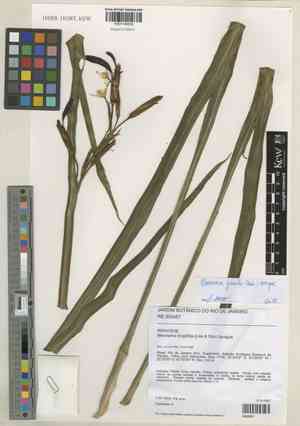
Walking Iris(Neomarica gracilis)

Walking Iris (Neomarica gracilis)

Also known as: Walking Iris, Apostle Plant

Walking Iris (Neomarica gracilis) is an herbaceous perennial known for its unique method of propagation. After blooming, new plantlets develop at the ends of the flower stalks. The added weight causes the stalks to bend down to the ground, allowing the plantlets to root and grow into new plants. The flowers, which can be white, purple, or yellow, are short-lived but highly fragrant, and the plant blooms abundantly in spring. Walking Iris thrives in both full and partial shade.

Attributes of Walking Iris

Lifespan
Perennial
Plant Type
Herb
Plant Height
60 cm
Spread
50 cm
Leaf Color
Green
Flower Size
5-8 cm (2-3 inches)
Flower Color
White Purple Blue Brown

ForwardPlant - Identify plants with a snap

Identify and diagnose plants, get toxicity alerts, and explore safety guides for all types of fungi.

Try for Free

Images of Walking Iris

Walking Iris(Neomarica gracilis)

Quickly Identify Walking Iris

1
Neomarica gracilis can be identified by its long, sword-shaped leaves and striking iris-like white flowers with purple and yellow accents that appear in the spring.

Scientific Classification of Walking Iris

Phylum
Vascular plants
Class
Monocotyledons
Order
Asparagus and allies
Family
Iris
Genus
Walking irises
Species
Walking Iris

Planting and Growing of Walking Iris

Care Difficulty
Easy
Watering Schedule
Every 4 days
Sunlight Requirements
Partial sun
Sunshine Duration
4-8 hours
Ideal Temperature
65-75℉
Soil Type
Potting Mix, Peat Mix
Soil pH
6.5-7.5
Fertilizer Type
Balanced
Pruning Season
Spring, Summer
Pruning Area
Branches, Leaves
Pruning Frequency
2 times a year
Repotting Season
Spring
Pot Type
Plastic, Ceramic

water icon How to Water Walking Iris?

Neomarica gracilis, also known as the Apostle's Iris, requires a balanced watering routine. It thrives best when its soil is kept consistently moist but not soggy. The ideal approach is to water until the soil is moist to about a depth of 3-4 inches, ensuring that excess water can drain out from beneath the pot.
What are the symptoms of an underwatered Walking Iris?
What should I do if my Walking Iris is not getting enough water?
What are the symptoms of an overwatered Walking Iris?
How to save an overwatered Walking Iris?

sunlight icon What Are the Sunlight Requirements for Walking Iris?

Sunlight Requirements: Partial sun
Duration of light: 4 to 6 hours
Partial sun. Ideal lighting ensures robust growth and vibrant flower production, aiding in consistent photosynthesis and reducing stress.
How much sunlight does Neomarica gracilis need?
What are the best positioning strategies?
What benefits does the plant get from ideal lighting?
More About Sunlight Requirements Techniques

temperature icon What Is the Ideal Temperature Range for Walking Iris?

Ideal Temperature: 65 ~ 75℉
Neomarica gracilis thrives in a temperature range between 65°F to 75°F. Maintaining this range can ensure healthy growth and vibrant blooms. This range mimics the plant's natural habitat, which is typically characterized by warm yet not overly hot conditions.

soil icon What Soil is Best for Walking Iris?

Soil type: Loam, Sandy loam
Soil PH: 6.5 ~ 7.5
Neomarica gracilis requires well-draining soil to prevent root rot and ensure healthy growth. Using loam or sandy loam soil helps in maintaining enough moisture without waterlogging, which is vital for the plant's roots. Providing a nutrient-rich soil is crucial for Neomarica gracilis, as it ensures robust growth and vibrant blooms. Loamy soil enriched with organic matter aids in providing essential nutrients to the plant. This plant thrives in soil with moderate moisture retention, which helps maintain a consistent supply of water without risking sogginess. A balanced sandy loam provides an ideal moisture level for Neomarica gracilis to flourish.

fertilize icon How to Fertilize Walking Iris?

Fertilizer type: Balanced
For Neomarica gracilis, a balanced fertilizer is ideal. Use a 20-20-20 liquid fertilizer diluted to half strength, as too much can harm the plant. Apply approximately 50 to 100 ml per plant to keep nutrients sufficient without overburdening the roots.

prune icon How to Prune Walking Iris?

Pruning Time: Spring, Summer
Start by examining the plant for any yellowed or dead leaves. Using a pair of sharp, clean scissors, trim these leaves close to the base to prevent any potential disease spread. Next, assess the overall shape of the plant and carefully cut back any overgrown sections to maintain a neat appearance. Regularly deadhead the spent flowers to encourage further blooming. For stimulating bushy growth, prune the tips of the leaf fans. This slight tip trimming will encourage the plant to develop more lateral leaves, creating a fuller appearance. Make sure not to cut into the core of the leaf fan, as this can hinder future growth. More About Pruning Techniques

propagate icon How to Propagate Walking Iris plant?

Propagate Time: Spring, Early spring, Late spring
1
Before starting the division process, choose healthy and mature Neomarica gracilis plants. Look for plants with vigorous growth and no signs of disease. A strong mother plant will ensure a higher success rate in propagation.
2
Using the garden spade, gently dig around the plant to lift the entire clump. Shake off excess soil and inspect the rhizomes. Use your hands or pruning shears to divide the plant into smaller sections, ensuring each section has roots and multiple shoots.
3
Prepare new planting spots with well-draining soil enriched with organic matter. Plant each divided section at the same depth they were growing previously. Water the newly planted sections thoroughly to help them establish quickly in their new location.
More About Propagating Techniques

repot icon How to Repot Walking Iris plant?

Repotting frequency: Every 2-3 years
1
Repot Neomarica gracilis when you notice roots coming out of the drainage holes, or the plant seems to have outgrown its current pot. This signal means that it is running out of room to grow and requires a new pot.
2
Select a pot that is one or two sizes larger than the current one and has good drainage holes. This prevents waterlogging, which can lead to root rot, and encourages the roots to grow healthier.
3
Use a well-draining potting mix, ideally with components like perlite or sand. This will ensure the roots aren't sitting in excessive moisture, which can adversely affect the plant's health by causing root diseases.

ForwardPlant - Identify plants with a snap

Find the best spots for them to optimize their health, simply using your phone.

Try for Free

Toxicity of Walking Iris

Is Walking Iris toxic to cat?

The Walking Iris is known to have a moderate level of toxicity for cats. Cats are primarily exposed through ingestion, which may occur if they chew or ingest any part of the plant, as all its components are harmful. After consuming Walking Iris, felines may demonstrate general signs of discomfort, sickness, or pain, although the specific toxic agents are not thoroughly outlined in the available information. If a cat shows any abnormal behavior after being exposed to Walking Iris, it is vital to obtain immediate veterinary assistance to guarantee their safety and care.

Is Walking Iris toxic to dog?

Walking Iris presents a moderate level of toxicity risk for dogs. If canines consume any part of this plant, they may suffer from poisoning since all sections are deemed toxic. Dogs that ingest walking Iris might display symptoms such as gastrointestinal disturbances, vomiting, and diarrhea. Therefore, it's vital for dog owners to closely observe their pets and restrict their access to walking Iris. Should a dog exhibit any signs of poisoning from this plant, it is essential to seek prompt veterinary assistance to secure the best possible prognosis for the affected animal.

Identify toxic plants for your safety

Learn which plants are harmful to you and your pets, and make informed choices for a safer home!

Try for Free
WARNING
The judgment on toxicity and danger is for reference only. We DO NOT GUARANTEE any accuracy of such judgment. Therefore, you SHALL NOT rely on such judgment. It is IMPORTANT TO SEEK PROFESSIONAL ADVICE in advance when necessary.
More About Toxic Techniques