How to Transplant Burflower tree?
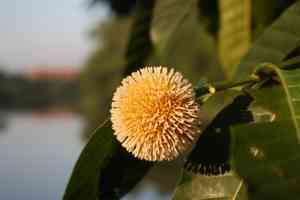
Relocate burflower tree during the balmy period of late spring through mid-summer, when its development is robust. Select a bright spot with fertile earth. Carefully introduce burflower tree to its new environment to avoid stress, guaranteeing a smooth adjustment to its fresh setting.
What Preparations are Needed Before Transplanting Burflower Tree?
What is the Ideal Time for Transplanting Burflower Tree?
The optimal period for relocating burflower tree is the shift from spring to summer. This timeframe provides balanced weather, promoting excellent root establishment and development. Moving burflower tree during this window encourages robust growth, as mild temperatures and extended daylight create a supportive environment. By selecting this season, you leverage natural cycles, giving burflower tree a strong start in its new spot. Remember, successful transplanting lays the groundwork for years of vigorous health for burflower tree.
How Much Space Should You Leave Between Burflower Tree Plants?
When moving your burflower tree, consider its growth requirements. Allow approximately 20 to 25 feet (about 6 to 7.6 meters) between each plant. This spacing ensures the burflower tree's optimal development and vitality.
What is the Best Soil Mix for Burflower Tree Transplanting?
Prepare well-draining soil for your burflower tree. The soil pH should be slightly acidic to neutral (5.5-7.5). Before transplanting, mix in compost or an organic fertilizer to encourage strong, healthy growth.
Where Should You Relocate Your Burflower Tree?
To ensure your burflower tree's healthy development, choose a sunny location. The plant needs full sun exposure for optimal growth, though it can tolerate some partial shade. Remember, the correct site is crucial for your plant's health and expansion!
What Equipments Should You Prepare Before Transplantation Burflower Tree?
Gardening Gloves
To safeguard your hands from thorns, dirt, and potential irritants.
Shovel/Spade
This tool is crucial for excavating the burflower tree from its current spot and preparing the new site.
Garden Fork
Useful for loosening the soil around the root area prior to digging.
Watering Can/Hose
To hydrate the plant before and after the relocation.
Wheelbarrow
To facilitate moving the burflower tree from one place to another.
Pruner
To trim any damaged or unhealthy roots or branches.
Mulch
To help retain soil moisture after transplanting.
How Do You Remove Burflower Tree from the Soil?
How Do You Remove Burflower Tree from the Soil?
From Ground: To extract the burflower tree from the ground, begin by watering the plant to moisten the soil. This makes digging easier and minimizes potential root damage. Using a garden fork, gently loosen the soil around the plant. Next, dig a wide trench around the plant with a spade or shovel, ensuring the root ball remains intact. Carefully work the spade under the root ball to lift the plant from its original spot. From Pot: If the burflower tree is in a pot, water it thoroughly. Invert the pot while keeping your hand firmly on the plant's stem, and tap the pot's edges to dislodge the plant. Gently pull or shake the plant out, taking care not to harm the root ball. From Seedling Tray: Carefully remove the burflower tree from the seedling tray without damaging the young, delicate roots. Lightly water the tray to simplify the removal process. Use a small tool like a spoon or fork to lift the seedlings, ensuring minimal root contact.
Step-by-Step Guide for Transplanting Burflower Tree
Prepare the New Site
Dig a hole at the new planting location that is twice as wide as the burflower tree's root ball and equally deep.
Place the Plant
Position the burflower tree in the center of the hole. Ensure it sits at the same depth as it did in its original spot to avoid burying the stem in soil.
Refill the Hole
Backfill around the plant using the soil you removed earlier, making sure it contains no large clumps or stones that could hinder root development.
Water Thoroughly
Water the transplanted burflower tree immediately after planting to settle the soil and establish contact between the roots and their new environment. Ensure thorough watering without over-saturating the plant.
Mulch Around the Plant
Apply a layer of mulch around the plant's base. This will help retain moisture and regulate soil temperature.
How Do You Care For Burflower Tree After Transplanting?
Regular Checkups
Inspect the burflower tree regularly in the weeks following the transplant to ensure it is adapting well to its new location. Look for any signs of stress such as wilting or browning leaves.
Watering
After transplanting, the burflower tree may require more frequent watering until it establishes itself in its new location. Ensure the soil remains consistently moist, but be careful not to waterlog it.
Pest Control
Monitor for pests, as newly transplanted plants can be more susceptible. Use environmentally friendly and non-toxic pesticides if necessary.
Pruning
Avoid aggressive pruning immediately after transplanting. Allow the plant to recover and establish first. However, remove any dead or dying branches to improve the plant's health.
Troubleshooting Common Issues with Burflower Tree Transplantation.
When is the ideal time to transplant burflower tree?
The best time to transplant burflower tree is between late summer and early fall (S3-S5). This provides the plant with the optimal start for root establishment.
What is the ideal spacing for burflower tree after transplanting?
After transplanting, ensure burflower tree are spaced approximately 20-25 feet (6-7.5 meters) apart. This allows ample room for each plant's growth and development.
What should I do if burflower tree leaves are turning yellow after transplanting?
Burflower tree's yellowing leaves may indicate overwatering. Reduce your watering schedule and ensure proper drainage. If the issue persists, consider a soil test for nutrient deficiencies.
What kind of soil does burflower tree prefer for successful transplantation?
Burflower tree thrive in well-draining soil rich in organic matter. Consider adding compost or organic fertilizer during transplantation for optimal growth.
Why isnât my transplanted burflower tree growing?
Slow growth can signal that the burflower tree is stressed from transplanting. Ensure appropriate watering, spacing, and nutrient-rich soil. If no improvement is seen, consult a local gardening center.
My transplanted burflower tree looks wilted, what's wrong?
Transplant shock is likely causing your burflower tree to wilt. Keep the plant well-watered, avoid full sun exposure immediately after transplanting, and be patient as the plant adjusts to its new environment.
How deep should the hole be when transplanting burflower tree?
The planting hole should be twice the diameter and the same depth as the burflower treeâs root ball. Do not plant it deeper than it grew in the original pot.
Should I prune burflower tree before transplanting?
Yes, it's recommended to lightly prune burflower tree before transplanting. This reduces leaf surface, consequently lessening water loss and stress on the plant during the transplantation process.
How often should I water burflower tree after transplanting?
For the first few weeks post-transplanting, water burflower tree regularly to keep the soil consistently moist. Afterward, adjust according to climatic conditions and the plant's needs.
What can be done if the transplanted burflower tree is not flowering?
If your transplanted burflower tree is not blooming, there may be a lack of sunlight or nutrients. Ensure it gets full to partial sun and consider a balanced fertilizer to boost flowering.



