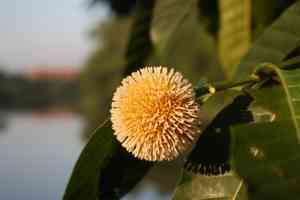
Burflower tree(Neolamarckia cadamba)

Burflower tree (Neolamarckia cadamba)

Also known as: Leichhardt pine

The burflower tree, known scientifically as Neolamarckia cadamba, is highly valued in southeastern Asia and India for several reasons:

1. **Wood Utilization:** Its fast-growing and robust timber is ideal for producing furniture, plywood, and paper products.
2. **Reforestation:** The tree is frequently used to restore deforested areas and serves as a windbreak.
3. **Dye Production:** The bark is processed to create a bright yellow dye.
4. **Cultural and Religious Significance:** In India, this sacred tree is often planted near temples, and its fragrant flowers are used in the creation of attar perfume.
5. **Traditional Medicine:** Various parts of the tree are employed in treating fever, inflammation, and digestive disorders.

These multifaceted uses underscore the importance of the burflower tree in the region.

Attributes of Burflower tree

Lifespan
Perennial
Plant Type
Tree
Plant Height
45 m
Spread
12 m
Leaf Color
Dark green
Flower Size
4 cm to 5 cm
Flower Color
White Yellow

ForwardPlant - Identify plants with a snap

Identify and diagnose plants, get toxicity alerts, and explore safety guides for all types of fungi.

Try for Free

Images of Burflower tree

Burflower tree(Neolamarckia cadamba)

Quickly Identify Burflower tree

1
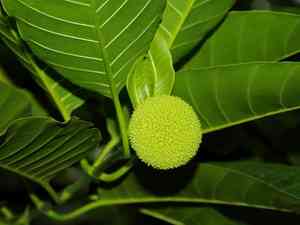
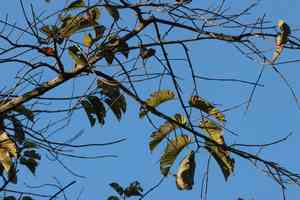
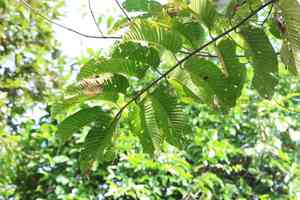
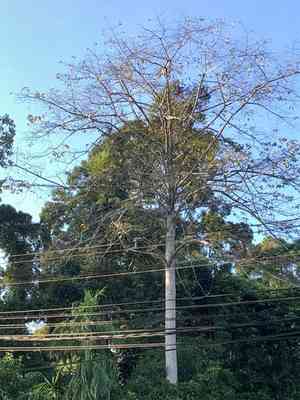
Look for a tall, fast-growing tree with large, glossy, dark green leaves and spherical clusters of yellowish-orange flowers. The bark is smooth and grey in younger trees, becoming rough with age.

Scientific Classification of Burflower tree

Phylum
Vascular plants
Class
Dicotyledons
Order
Gentianales
Family
Madder
Genus
Neolamarckia
Species
Burflower tree

Planting and Growing of Burflower tree

Care Difficulty
Easy
Watering Schedule
Every 4 days
Sunlight Requirements
Full sun
Sunshine Duration
4-8 hours
Ideal Temperature
68-86℉
Soil Type
Potting Mix, Peat Mix
Soil pH
6.5-7.5
Fertilizer Type
Balanced
Pruning Season
Spring, Summer
Pruning Area
Branches, Leaves
Pruning Frequency
2 times a year
Repotting Season
Spring
Pot Type
Plastic, Ceramic

water icon How to Water Burflower tree?

For Neolamarckia cadamba, it is important to water until the soil is evenly moist but not soggy. This ensures that the roots receive enough moisture without being waterlogged. It's a balancing act to keep the soil consistency just right.
What are the symptoms of an underwatered Burflower tree?
What should I do if my Burflower tree is not getting enough water?
What are the symptoms of an overwatered Burflower tree?
How to save an overwatered Burflower tree?

sunlight icon What Are the Sunlight Requirements for Burflower tree?

Sunlight Requirements: Full sun, Partial sun
Duration of light: 6 to 8 hours
Neolamarckia cadamba thrives in full to partial sunlight, ideal for robust growth and vibrant leaf color. Adequate sunlight promotes health and productivity, facilitating energy production through photosynthesis crucial for overall development.
What areas are ideal for Neolamarckia cadamba?
How can you improve its light exposure indoors?
Why is sunlight crucial for Neolamarckia cadamba?
More About Sunlight Requirements Techniques

temperature icon What Is the Ideal Temperature Range for Burflower tree?

Ideal Temperature: 68 ~ 86℉
The ideal temperature range for Neolamarckia cadamba is between 68°F and 86°F. This range allows the plant to photosynthesize efficiently and perform vital growth processes. Maintaining this temperature range ensures that the plant can thrive without stress from temperature fluctuations and supports optimal leaf and root development.

soil icon What Soil is Best for Burflower tree?

Soil type: Loam, Clay soil
Soil PH: 6.5 ~ 7.5
Neolamarckia cadamba thrives in soils that are rich in nutrients. A fertile soil provides essential minerals and organic matter, promoting vigorous growth and ensuring the plant receives everything it needs to flourish and produce lush foliage. Moisture retention is crucial for Neolamarckia cadamba's growth. Well-retained moisture in the soil aids consistent hydration, pivotal for its large leaves. However, proper drainage prevents waterlogging, which could harm the root system. The plant benefits from soil with good aeration, which supports healthy root respiration. Adequate aeration enhances the exchange of gases in the root zone, thus fostering a robust and healthy root system.

fertilize icon How to Fertilize Burflower tree?

Fertilizer type: Balanced
For Neolamarckia cadamba, use approximately 100 grams of balanced granular fertilizer per plant per year. Adjust this amount based on soil fertility and plant size to ensure optimal growth without over-fertilizing.

prune icon How to Prune Burflower tree?

Pruning Time: Spring, Summer, Autumn
Begin by examining the tree for any dead or diseased branches. These should be removed first as they can hinder growth and spread disease to healthy parts of the tree. When cutting branches, make sure to cut at a 45-degree angle just above a bud or lateral branch. This technique helps the tree heal faster and promotes upward growth. Ensure your pruning shears are sharp and clean to make precise cuts and prevent the spread of pathogens. Using the right tools improves efficiency and reduces the risk of damaging the tree. More About Pruning Techniques

propagate icon How to Propagate Burflower tree plant?

Propagate Time: Late spring, Early summer, Summer
1
Collect mature seeds from the fruiting bodies of Neolamarckia cadamba. Ensure that seeds are dry and free of any mold before proceeding to sow them in seed trays filled with quality soil.
2
Select healthy branches for cuttings, ensuring each has at least a few leaf nodes. Remove excess leaves and dip the cut end in rooting hormone before planting it in a moisture-retentive substrate.
3
For tissue culture, sterilize explants of Neolamarckia cadamba in a solution before placing them in a culture medium. This step is crucial to maintaining a contamination-free culture environment.
More About Propagating Techniques

repot icon How to Repot Burflower tree plant?

Repotting frequency: Once every 2 years
1
Repot Neolamarckia cadamba when you notice the roots emerging from the drainage holes or the plant is becoming top-heavy. This usually indicates the roots have filled the pot and need more space. Additionally, if growth has halted, it’s a sign the plant requires fresh soil and nutrients found in a larger pot.
2
Select a pot that is one or two sizes larger than the current one, with ample drainage holes to prevent waterlogging. The pot should be made of a material like terracotta or plastic that suits the humidity level of your environment. This ensures healthy root growth and prevents rot.
3
Opt for a well-draining potting mix, often a combination of peat, perlite, and bark. This mix allows the roots to breathe, preventing water retention that could lead to root rot. Such a blend supports robust growth by providing necessary aeration and drainage.

ForwardPlant - Identify plants with a snap

Find the best spots for them to optimize their health, simply using your phone.

Try for Free