How to Transplant Watercress?
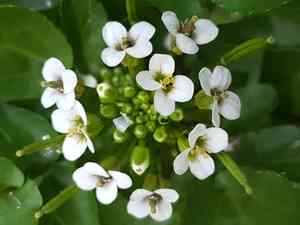
The optimal period for transplanting watercress is at the onset of spring, which guarantees robust development. Select a damp, partially submerged environment for its new location. Should it be required, amend the substrate to accommodate watercress's preference for moisture. This new beginning fosters strong vitality and abundant greenery.
What Preparations are Needed Before Transplanting Watercress?
What is the Ideal Time for Transplanting Watercress?
The optimal period for relocating your watercress is during the vigorous growth of early to mid-spring. This timing allows for robust development, utilizing the season's mild warmth and ample moisture. Moving watercress now encourages root establishment before summer's heat, leveraging spring's natural climate to foster strong health and resilience in your garden.
How Much Space Should You Leave Between Watercress Plants?
Plan to provide your watercress ample room for expansion. Transplant them at least 1 foot (approximately 30 cm) apart. This will enable them to thrive without competing for resources.
What is the Best Soil Mix for Watercress Transplanting?
Prepare your garden soil for watercress. A well-drained and fertile loam or sandy loam would be ideal. Incorporating a base layer of compost or organic fertilizer can boost nutrient content.
Where Should You Relocate Your Watercress?
Watercress prefers a sunny or partially shaded location! Therefore, find a spot where it can receive at least 4-6 hours of sunlight daily. This will help them grow strong and healthy.
What Equipments Should You Prepare Before Transplantation Watercress?
Gardening Gloves
Secure protection for your hands from any sharp debris or insects in the soil.
Trowel
To excavate the transplant hole and assist in removing the watercress from its current spot.
Garden Shears
To trim any damaged or excess leaves and roots.
Watering Can
To hydrate the watercress plant before and after relocation.
Mulch
To help maintain soil moisture for watercress's development.
Shovel
For digging larger holes if watercress is considerably big in size.
How Do You Remove Watercress from the Soil?
How Do You Remove Watercress from the Soil?
From Ground: If watercress is currently growing in the ground, moisten the soil with water, then use a trowel or shovel, depending on the size of the watercress plant, to carefully dig around the plant, being cautious not to harm the root system. Once the soil is loose, gently lift the watercress plant from its current location.From Pot: If watercress is in a pot, it's crucial to be gentle to prevent shock to the plant. Water the plant thoroughly before removal. Invert the pot and gently tap to loosen the watercress plant and the root ball. If necessary, run a dull knife around the inside of the pot to help dislodge it.From Seedling Tray: For seedlings, water sufficiently. Gently remove each plant by pushing it from below the tray, keeping the delicate roots intact.
Step-by-Step Guide for Transplanting Watercress
Preparation
Water your watercress thoroughly the day before transplanting. Prepare the new site by digging holes that are twice the size of your watercress plants' root balls.
Removal
Carefully extract the watercress from its original position as described above, based on its current location. Remember to handle the roots with care at all times.
Transplanting
Place the watercress in the hole, ensuring the top of the root ball is level with the ground surface. Fill around the plant with soil and gently firm down to eliminate any air pockets.
Finishing Up
Water well immediately after transplanting and apply a layer of mulch around the plant to help retain moisture.
How Do You Care For Watercress After Transplanting?
Regular Watering
Watercress thrives with moisture, so ensure the plant receives ample water, especially during dry periods.
Pruning
Regularly trim off any dead or yellowing leaves. This encourages healthier growth and promotes dense foliage.
Frost Protection
Watercress, being a perennial, can endure colder temperatures, but it's still beneficial to provide protective coverings or move potted watercress indoors during severe winter weather.
Pest Monitoring
Keep an eye out for pests such as snails, aphids, and whitefly, which can pose a problem for watercress plants.
Troubleshooting Common Issues with Watercress Transplantation.
When is the best time to transplant watercress?
The optimal time to transplant watercress is during the S1-S2 season. The mild climate promotes root growth and reduces stress on watercress.
How far apart should I space my watercress plants?
For each watercress plant, allocate a space of about 1 foot (30 cm). This provides each plant sufficient room to grow without competition.
What are the initial steps to take before transplanting watercress?
Begin by preparing the new location by tilling the soil and enriching it with compost. Ensure that the soil pH is between 6.5 and 7.5.
Is it necessary to water watercress immediately after transplanting?
Absolutely! After transplanting watercress, give it a thorough watering. This helps the soil settle around the roots and initiates nutrient transport.
My watercress looks wilted after transplantation, is this normal?
Some wilting is normal due to transplantation shock, but continuous wilting may indicate insufficient watering or sunlight. Ensure optimal conditions for your watercress.
How should I handle watercress roots during transplantation?
Handle watercress's roots gently to prevent damage. If the roots are excessively long, prune them slightly to encourage new growth after transplantation.
Why are my transplanted watercress plants not growing?
Growth might be affected by factors such as inadequate sunlight, water, or nutrients. Furthermore, ensure that your watercress is planted at the correct depth and spacing.
What to do if there's an unexpected freeze after transplanting my watercress?
If a freeze occurs, cover your watercress with fabric or plastic to protect it, but remove the cover once temperatures rise to prevent overheating.
How deep should I dig the hole for the watercress's rootball during transplantation?
The hole should be twice as wide and just as deep as the watercress's rootball. This provides the roots ample space to spread and establish.
Should I fertilize my watercress right after transplanting it?
Avoid applying fertilizers immediately after transplanting watercress as it might burn the roots. Instead, apply a slow-release fertilizer before planting and water well afterward.



