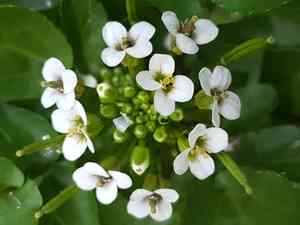
Watercress (Nasturtium officinale)
Also known as: Kowhitiwhiti, Teng tongue, Well grass, Eker, Bilure
Frogbit (Hydrocharis morsus-ranae) is an aquatic perennial native to Europe and Asia. It primarily attracts flies as pollinators. This plant is appreciated for its decorative qualities in water gardens and its capacity to float on the water's surface.
Attributes of Watercress
Images of Watercress
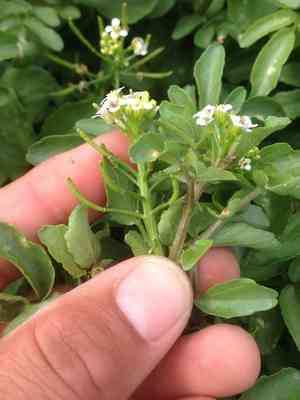
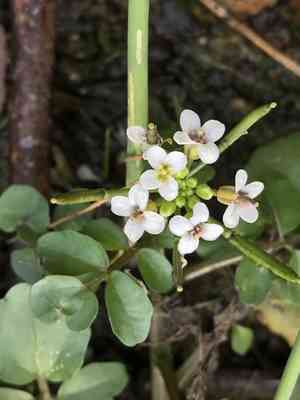
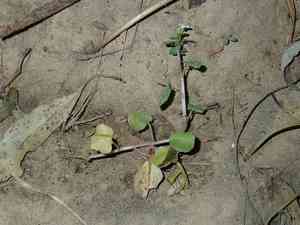
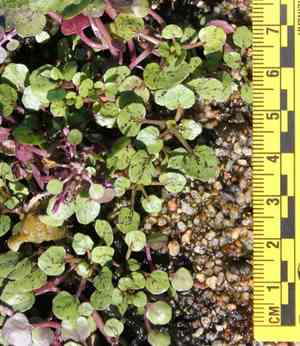
Quickly Identify Watercress
Scientific Classification of Watercress
Planting and Growing of Watercress
 How to Water Watercress?
 What Are the Sunlight Requirements for Watercress?
 What Is the Ideal Temperature Range for Watercress?
 What Soil is Best for Watercress?
 How to Fertilize Watercress?
 How to Prune Watercress?
 How to Propagate Watercress plant?
 How to Repot Watercress plant?
Toxicity of Watercress
Is Watercress toxic to humans?
While watercress is included as an ingredient in certain dog food formulations, it possesses mild toxicity to various animal species.
Is Watercress toxic to cat?
Every part of the watercress plant (Nasturtium officinale) may pose a mild toxicity risk to cats when consumed. Common symptoms include diarrhea or vomiting. Typically, poisoning from watercress is self-resolving; however, if symptoms persist or lead to dehydration, it is advisable to consult a veterinarian.
Is Watercress toxic to dog?
Watercress possesses a mild toxicity for dogs. Each part of this plant contains various irritating compounds; consuming it can lead to symptoms such as vomiting or diarrhea, though usually, mild stomach upset is the primary issue. Dogs might inadvertently consume watercress if they are offered table scraps from a meal that was flavored with it - they seldom seek out these plants in their natural habitat.



