How to Transplant Common myrtle?
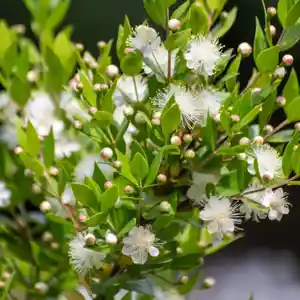
For Myrtus communis, the onset of spring presents an ideal period for relocation, providing a mild environment conducive to root development. Choose a location with ample sunlight and good drainage to foster vigorous growth. Careful management of the root system during this procedure guarantees a smooth adaptation.
Essential Preparations Before Relocating Common Myrtle
Optimal Timing for Common Myrtle Relocation?
The best period to move common myrtle is from early to mid-spring. This timing allows the plant sufficient opportunity to develop robust roots prior to the onset of summer's heat. Relocating common myrtle during this season leverages the resurgence of growth cycles, creating an ideal setting for the plant to flourish. Place common myrtle in its new spot when spring's gentle warmth encourages vigorous growth, ensuring a smooth transition with minimal stress.
Required Spacing Between Common Myrtle Plants?
When moving common myrtle, ensure ample room for expansion. Ideally, position each plant approximately 4-5 feet (1.22-1.52 meters) apart. This spacing prevents common myrtle from overcrowding, enhancing its chances for healthy development.
Preferred Soil Mixture for Common Myrtle Relocation?
Successful gardening begins with preparation. For your common myrtle, ensure the soil is well-draining and rich in organic matter. Incorporating compost, peat moss, or aged manure into the planting site will be beneficial. Remember to mix a base fertilizer into the soil before transplanting, to give common myrtle the best possible start.
Choosing the New Site for Your Common Myrtle?
Location is crucial for common myrtle's development. Ideally, select a site that receives full sun or partial shade. Common myrtle thrives with abundant sunlight but can endure some shade. A spot adjacent to a south-facing wall is often perfect, providing warmth and sunny exposure throughout the day.
Tools to Prepare Before Transplanting Common Myrtle?
Gardening Gloves
To safeguard your hands while handling soil and common myrtle.
Shovel or Spade
For excavating the soil for common myrtle relocation and lifting the plant from its initial spot.
Garden Trowel
Useful for managing the plant during relocation or making precise adjustments in the planting hole.
Watering Can or Hose
Essential for hydrating the common myrtle before and after its move.
Wheelbarrow or Plant Pot
To transport the common myrtle from its original position to the new one.
Gardening Scissors or Pruners
To trim any damaged or excessively long roots.
Method for Extracting Common Myrtle from the Ground?
Method for Extracting Common Myrtle from the Ground?
From Ground: Hydrate the common myrtle plant to moisten the soil. Using a shovel or spade, dig a wide trench around the plant, ensuring the plant's root ball remains intact. Carefully lift the plant from its original location by going under the root ball with the spade.From Pot: Water the common myrtle thoroughly and allow a few minutes for absorption before removal. Turn the pot sideways, hold the plant steady by its stems or leaves, tap the base of its container until the plant slides out.From Seedling Tray: Water the common myrtle seedlings and let them absorb the moisture. Gently hold the seedling by its leaves to prevent stem damage and push the bottom of the seedling cell until the seedling emerges.
Step-by-Step Guide for Relocating Common Myrtle
Site Preparation
Excavate a hole in the ground that is twice the diameter of your common myrtle plant's root ball. The depth of the hole should match the root ball's depth so that the plant sits at the same level as it did in its previous location.
Plant Placement
Carefully position the common myrtle in the hole. Spread the roots within the hole and backfill the soil around the plant, pressing it down gently but avoiding excessive compaction.
Initial Watering
Thoroughly water the common myrtle after relocation. This aids in settling the soil around the plant.
Post-Relocation Observation
Closely observe your relocated common myrtle for the initial few days to ensure it is adapting well to the change.
Post-Transplant Care for Common Myrtle?
Observation
Keep a watchful eye on the common myrtle for any signs of stress, such as wilting or yellowing leaves, and adjust care as needed.
Watering
It's crucial to keep the soil moist but not waterlogged. Water whenever the top inch of soil feels dry.
Pruning
Prune the common myrtle as necessary. Remove any dead or damaged branches. This will help your plant direct its energy towards new growth.
Protection
Shield the newly relocated common myrtle from harsh weather conditions like extreme heat or frost. A temporary shade structure can be beneficial for the first few days after transplant.
Growth Monitoring
Track the plant's growth; slow or absent new growth may indicate transplant shock.
Addressing Common Issues with Common Myrtle Relocation.
What is the optimal season for relocating common myrtle?
The best time to move common myrtle is during seasons S1-S2. This allows common myrtle to establish itself before more severe weather conditions arrive.
How much space should I maintain between each common myrtle during relocation?
To ensure healthy development, keep a distance of 4-5 feet (approximately 1.2-1.5 meters) between each common myrtle. This provides ample room for root expansion.
Should I water common myrtle immediately after relocation?
Yes, you should water common myrtle right after relocating. This helps the soil settle around the roots, eliminating air pockets and providing essential moisture.
What kind of soil is most suitable for common myrtle relocation?
Common myrtle does not require specialized soil, but it does prefer well-drained soil. Avoid waterlogged areas as this can lead to root rot.
How deep should I plant common myrtle during relocation?
Aim to plant common myrtle at a similar depth to its previous planting. Planting too deep or too shallow can negatively impact its growth.
What should I do if common myrtle leaves begin to wilt after relocation?
Wilting may indicate transplant shock. Keep the soil moist and provide shade for a few days to allow the plant to recover.
What type of fertilizer is best for common myrtle after relocation?
A balanced, slow-release fertilizer is recommended for common myrtle after relocation. It helps supply vital nutrients for the plant's growth and health.
How much sunlight does common myrtle require after relocation?
Common myrtle needs exposure to full sun to partial shade. However, newly relocated common myrtle should be protected from intense midday sun to prevent scorching.
Should I prune common myrtle after relocation?
Pruning immediately after relocation is not advised. It's generally best to wait a few weeks until your plant has settled into its new location.
How often should I water common myrtle after relocation?
Typically, common myrtle requires watering once or twice a week, depending on the weather. However, after relocation, common myrtle may need more frequent watering until it establishes.



