How to Transplant Nutmeg and mace?
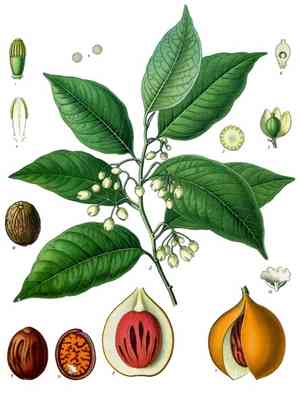
The most favorable period for relocating nutmeg and mace is at the peaceful commencement of early to mid-spring, facilitating root development prior to the warmth of summer. Select a site that offers good drainage, protection, and filtered sunlight, verifying that the earth is rich and damp.
What Preparations are Needed Before Transplanting Nutmeg And Mace?
What is the Ideal Time for Transplanting Nutmeg And Mace?
The optimal period for relocating nutmeg and mace is from early to mid-spring. During this timeframe, cooler temperatures and moderate precipitation create ideal conditions for root establishment. Transplanting nutmeg and mace in this season ensures it has a full growth cycle ahead to develop a strong root system, making it less susceptible to stress from summer heat or winter cold. Furthermore, fertile spring soil provides a nourishing environment for delicate nutmeg and mace shoots. This timing not only aligns with nature's renewal but also allows you, the gardener, to connect with your plants as new growth emerges around you. Consider it giving your nutmeg and mace a fresh start in the most supportive of seasons!
How Much Space Should You Leave Between Nutmeg And Mace Plants?
When planting nutmeg and mace, ensure ample room for their development. Ideally, they should be spaced approximately 10-12 feet (3-3.7 meters) apart. This provides their roots and branches sufficient space to expand without competition.
What is the Best Soil Mix for Nutmeg And Mace Transplanting?
Before planting nutmeg and mace, prepare your soil. They flourish in well-drained and fertile soil. Incorporating a balanced base fertilizer (such as a 10-10-10) will give them a strong start. Thoroughly mix the fertilizer into the soil prior to planting.
Where Should You Relocate Your Nutmeg And Mace?
For optimal growth, position your nutmeg and mace in a spot where it will receive full sun to partial shade. The more sunlight it gets, especially in the morning, the healthier your plant will be.
What Equipments Should You Prepare Before Transplantation Nutmeg And Mace?
Gardening Gloves
These will safeguard your hands from contact with the soil and the plant during the process.
Gardening Shovel or Trowel
It ensures plant roots remain intact and is utilized for excavating the plant.
A suitable Container
This will be used to move the nutmeg and mace plant from its original spot to its new one.
Watering Can
To hydrate the nutmeg and mace plant before and after the transplanting procedure.
Pruning Shears
To trim the nutmeg and mace plant and help manage its growth post-transplant.
Compost
For enhancing the soil quality in the new location.
Mulch
To cover the soil around the nutmeg and mace plant after transplanting and maintain soil moisture.
Stake and Tie
It supports the nutmeg and mace plant in its new location and keeps it upright.
How Do You Remove Nutmeg And Mace from the Soil?
How Do You Remove Nutmeg And Mace from the Soil?
From Ground: Begin by thoroughly watering the nutmeg and mace plant to moisten the soil. Then, grasp it at the base and dig around the root ball using the gardening shovel. Carefully work the shovel beneath to dislodge the nutmeg and mace plant from its initial position, taking care not to harm the roots. Once free, place it in the container.From Pot: If your nutmeg and mace plant is in a pot, first water it completely. Turn the pot sideways, gently hold the plant by its base, pull, and shake it out. You might need to tap the bottom or edges of the pot to help loosen the soil and root ball. Once the plant is out, keep it secure in the container.From Seedling Tray: For a nutmeg and mace plant in a seedling tray, water the tray first. Then, gently press the base under each cell to push the plant upwards, catching it carefully to prevent damage. If the plant is stuck, use a spatula or similar tool to lift it out. Place it safely in a prepared container.
Step-by-Step Guide for Transplanting Nutmeg And Mace
Preparation
Prepare the new site by digging a hole that is wide and deep enough to comfortably accommodate the root ball of the nutmeg and mace plant. Then, add compost to enrich the soil.
Placement
Gently place the nutmeg and mace plant in the hole, ensuring it is at the same depth as it was in its original location.
Backfill
Surround the plant with soil, pressing it gently into place. Avoid mounding soil on the stem of the nutmeg and mace plant.
Watering
Use your watering can to water generously without washing away the soil. The ground should be thoroughly moist but not waterlogged.
Staking
If the nutmeg and mace plant is tall, use the stake for support and tie it gently.
Mulching
Use mulch to cover the area around the plant to help retain moisture.
How Do You Care For Nutmeg And Mace After Transplanting?
Support
Continue to brace the nutmeg and mace while it establishes itself. Check the ties regularly and loosen them if they become constricting.
Watering
Continue to water the nutmeg and mace plant regularly, ensuring the soil is moist but not overly saturated. Adjust watering based on weather conditions.
Pruning
Use pruning shears to trim the nutmeg and mace plant as needed to manage its growth and encourage denser foliage.
Monitoring
Keep an eye out for any indications of transplant shock, such as wilting, yellowing of leaves, or lack of growth. If these symptoms persist, it may be necessary to adjust your care routine or consult a gardening expert.
Fertilizing
After a few weeks of transplanting, once the nutmeg and mace has settled in its new location, you can begin regular fertilizer application according to the specific needs of the nutmeg and mace plant.
Troubleshooting Common Issues with Nutmeg And Mace Transplantation.
When is the ideal time to transplant nutmeg and mace?
The best time to transplant nutmeg and mace is in late autumn to early winter (S10-S2). This ensures the plant settles before spring growth.
How much room is required between each nutmeg and mace when transplanting?
Allow at least 10-12 feet (3-3.7 meters) between each nutmeg and mace. This space allows for root expansion and avoids overcrowding.
What sort of soil conditions does nutmeg and mace need for transplantation success?
Nutmeg and mace prefers rich, well-drained soil. Ensure the transplant hole is twice as wide as the root ball and the same depth.
Is it normal for nutmeg and mace to wilt after transplanting?
Yes, wilting initially occurs as the plant adjusts. However, prolonged wilting indicates stress. Ensure it's adequately watered and gets proper sunlight.
Is watering nutmeg and mace necessary right after transplanting?
Absolutely! Water your nutmeg and mace immediately after transplanting to settle the soil around the roots and reduce transplant shock.
Is pruning necessary before transplanting nutmeg and mace?
Yes, prune the plant before transplanting. Remove dead or weak branches. This reduces the stress on the plant and enhances its recovery.
Why are the leaves of nutmeg and mace yellowing after transplanting?
Yellowing can be due to transplant shock or nutrient deficiency. Make sure the plant is watered properly and fertilize with a balanced feed.
How to handle the transplanting procedure to prevent root damage?
When uprooting nutmeg and mace, maintain as much soil around the roots as possible. Use a deep spade to loosen the soil and lift the plant gently.
What follow-up care is required after transplanting nutmeg and mace?
Regular watering without waterlogging and a balanced nutrient supply are critical. Protect it from severe weather and pests during the initial stages.
Do I need to fertilize nutmeg and mace immediately after transplantation?
Wait around 2-3 weeks before the first fertilization. This allows the plant to recover from transplantation shock.



