How to Transplant Buddha's lamp?
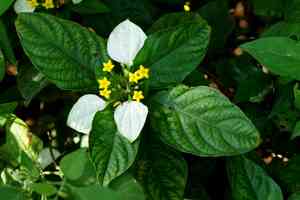
Relocate buddha's lamp when winter's cold recedes into the gentle warmth of early to mid-spring, leveraging this prime time for root development. Select a location offering full sun to partial shade, featuring soil that drains effectively, to foster vigorous development.
What Preparations are Needed Before Transplanting Buddha's Lamp?
What is the Ideal Time for Transplanting Buddha's Lamp?
The optimal period to relocate buddha's lamp spans from the refreshing start of early spring through the peak of late spring. This timeframe provides a balanced mix of mild temperatures and adequate moisture, crucial for buddha's lamp's root development, reducing shock and boosting growth potential. Moving them during these months leverages nature's renewal cycle, giving buddha's lamp the best start in its new spot and a strong base for future seasons. Follow this seasonal practice to see a flourishing change in your plant.
How Much Space Should You Leave Between Buddha's Lamp Plants?
Greetings! When getting ready to rehouse your buddha's lamp, it's best to position them approximately 36-48 inches (91-122 cm) apart. This provides them ample room to thrive and enhance your garden with their distinct charm.
What is the Best Soil Mix for Buddha's Lamp Transplanting?
For your buddha's lamp, you'll want to prepare the soil with care and attention. Aim for soil that drains well, is fertile, and includes some organic compost as a foundational fertilizer. This will give your buddha's lamp the perfect beginning to grow robust and healthy!
Where Should You Relocate Your Buddha's Lamp?
These luminous buddha's lamp plants flourish with gentle sunlight. Select a location in your garden that receives partial to full sun, ensuring your buddha's lamp gets those golden rays while also enjoying some shade during the warmest part of the day.
What Equipments Should You Prepare Before Transplantation Buddha's Lamp?
Gardening Gloves
To safeguard your hands while handling soil and the plant.
Shovel or Spade
For digging around and extracting the buddha's lamp from its current spot.
Garden Fork
To loosen the earth surrounding the plant if moving it from the ground.
Hand Trowel
For precise digging and handling smaller plants or young sprouts.
Pruning Shears
To trim any damaged roots or excess foliage prior to relocation.
Watering Can or Hose
To hydrate the buddha's lamp before and after its move.
Wheelbarrow or Garden Cart
To transport the buddha's lamp and soil without straining your back.
Rooting Hormone (optional)
To stimulate root development following transplantation.
How Do You Remove Buddha's Lamp from the Soil?
How Do You Remove Buddha's Lamp from the Soil?
From Ground: First, moisten the buddha's lamp to dampen the soil. Then, excavate a wide trench around the plant using a shovel or spade, ensuring a generous amount of soil remains attached to the root ball. Gently lift the plant from its position, using a garden fork for support if necessary.From Pot: Thoroughly water the buddha's lamp, then carefully turn the pot on its side. Gently tap the bottom and sides of the pot to loosen the soil, then slowly ease the plant out while supporting the root ball with your hand.From Seedling Tray: Water the seedlings well. Use a hand trowel or a small stick to carefully lift each seedling from the tray, ensuring that the roots remain intact with some surrounding soil.
Step-by-Step Guide for Transplanting Buddha's Lamp
Prep Work
Prepare the new planting location before beginning the removal process to minimize the time buddha's lamp's roots are exposed to air.
Removal
Based on its original spot, use the appropriate technique from the 'removal process' to carefully extract the plant.
Hole Digging
Dig a hole in the prepared site that is twice as wide and the same depth as the buddha's lamp's root ball to allow for easy placement and root expansion.
Placement
Position the buddha's lamp in the center of the hole, gently spreading its roots. The plant should sit at the same depth it was originally growing.
Backfilling
Refill the hole with soil, gently tamping down to eliminate air pockets. Do not bury the plant deeper than its previous depth.
Watering
Water the buddha's lamp immediately after planting to settle the soil around the roots and aid in recovery from transplant shock.
Support
If the buddha's lamp is taller or top-heavy, stake it for support to prevent wind damage while new roots are establishing.
How Do You Care For Buddha's Lamp After Transplanting?
Monitoring
Regularly inspect the buddha's lamp for indications of transplant shock, such as wilting or discolored leaves, and take suitable action.
Mulching
Apply a layer of mulch around the base of buddha's lamp to help retain moisture and regulate soil temperature.
Staking
Adjust stakes as needed to ensure buddha's lamp remains upright and supported as it grows.
Pruning
Remove any dead or damaged foliage to redirect buddha's lamp's energy to healthy growth and root development.
Gradual Exposure
If buddha's lamp was previously grown in shaded conditions, gradually acclimate it to sunnier spots to prevent sunburn.
Troubleshooting Common Issues with Buddha's Lamp Transplantation.
What's the best time of year to transplant buddha's lamp?
Optimal timing is between early to late spring, when growth is vigorous and soil is warm.
How far apart should I space buddha's lamp when transplanting?
Space your buddha's lamp at least 36-48 inches (91-122 cm) apart to allow for mature growth.
Can I transplant buddha's lamp in summer or fall?
Transplanting in summer or fall is less ideal due to heat stress or insufficient root establishment before winter.
Why is my transplanted buddha's lamp wilting?
Wilting after transplanting can occur due to shock; ensure proper watering and avoid full sun initially.
How much should I water buddha's lamp after transplanting?
Water thoroughly post-transplanting to settle the soil around the roots, then regularly but do not overwater.
Should I prune buddha's lamp when transplanting?
Prune only damaged or excessively long branches to help the plant focus on establishing roots.
How deep should I dig the hole for transplanting buddha's lamp?
The hole should be twice as wide and the same depth as the root ball to encourage growth.
What type of soil is best for transplanting buddha's lamp?
Use well-draining soil rich in organic matter to provide a healthy foundation for buddha's lamp.
How do I help buddha's lamp acclimate before transplanting?
Gradually expose buddha's lamp to outdoor conditions over a week if it was grown indoors or in a greenhouse.
What should I do if buddha's lamp's leaves turn yellow after transplanting?
Yellow leaves can indicate stress; ensure proper sunlight, watering, and consider a slow-release fertilizer.



