How to Transplant Hardy banana?
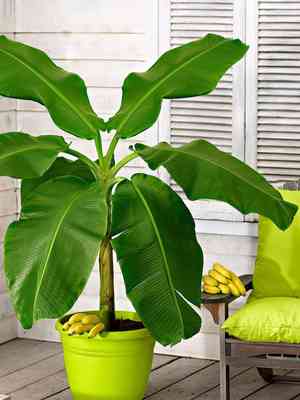
The most suitable period for relocating hardy banana spans from the beginning of summer to its midpoint, and again from late autumn to early winter, facilitating prime development. Select a site featuring soil that drains effectively and offers partial shade. Carefully loosen the root mass during the relocation process to encourage robust settling.
What Preparations are Needed Before Transplanting Hardy Banana?
What is the Ideal Time for Transplanting Hardy Banana?
Moving hardy banana is best performed from early summer to mid-summer, or from late autumn into winter. These periods allow the plant to adapt before the demands of active growth or dormancy. This strategic timing ensures optimal development for hardy banana.
How Much Space Should You Leave Between Hardy Banana Plants?
When relocating hardy banana, maintain a distance of approximately 6-8 ft (1.8-2.4 meters) between plants to provide ample room for growth and flourishing.
What is the Best Soil Mix for Hardy Banana Transplanting?
Ensure hardy banana is planted in soil that drains well, ideally incorporating a blend of organic compost and perlite to enhance moisture retention. A balanced slow-release fertilizer would be an excellent choice for this plant.
Where Should You Relocate Your Hardy Banana?
Select a site that offers hardy banana full sun to partial shade. This means finding a location where it will receive at least 6 hours of direct sunlight or an area with dappled sun and shadow.
What Equipments Should You Prepare Before Transplantation Hardy Banana?
Shovel or Spade
To excavate a hole in the new spot and carefully extract the plant from its original position.
Gardening Gloves
To safeguard your hands while handling soil and the plant.
Garden Cart or Wheelbarrow
For secure transport of the hardy banana from its initial location to the new site.
Watering Can or Garden Hose
To hydrate the hardy banana post-transplantation and maintain moisture in its new environment.
Mulch
To conserve water and inhibit weed growth after relocation.
Garden Pruner
If the hardy banana's branches are excessively wide or heavy, trimming can prevent physical harm during the transplanting process.
How Do You Remove Hardy Banana from the Soil?
How Do You Remove Hardy Banana from the Soil?
From Ground: Begin by watering the hardy banana to soften the soil around its base. Then, dig cleanly with your shovel, keeping a safe distance to avoid damaging the root system. Once a sufficient trench is formed, carefully work your shovel beneath the root ball, gently lifting the hardy banana from its spot.From Pot: Watering the hardy banana beforehand can be beneficial. Hold the pot by its sides, and gently tap it while simultaneously pulling the hardy banana out by its base.From Seedling Tray: Submerge the tray in water briefly until the soil becomes soft. Then, gently hold the hardy banana at its base and lift it from the tray. Be careful to keep the roots and surrounding soil intact during this process.
Step-by-Step Guide for Transplanting Hardy Banana
Hole Preparation
Dig a hole at your chosen site that is twice as wide and as deep as the hardy banana's root ball.
Planting
Position hardy banana in the center of your hole. The top of the root ball should be level with the ground or slightly elevated. Backfill the hole around the roots, firming the soil as you proceed.
Watering
After planting, thoroughly water the hardy banana and allow the water to settle the soil around the roots.
Mulching
Once the soil has settled, spread mulch around the base of the hardy banana plant to conserve moisture and reduce competing weeds.
How Do You Care For Hardy Banana After Transplanting?
Gentle Care
Handle the hardy banana plant with care after relocation. Avoid high-stress activities like pruning and fertilizing until the hardy banana has had some time to adjust.
Watering
Consistent watering is crucial for hardy banana's establishment. Keep the soil uniformly moist but not waterlogged. If possible, water in the early morning or late evening to minimize evaporation.
Monitoring
Observe the hardy banana closely for several weeks. Look for any signs of stress such as wilting, yellowing, or leaf drop. If you notice any of these symptoms, adjust your care as needed.
Troubleshooting Common Issues with Hardy Banana Transplantation.
When is the best time to transplant hardy banana?
The optimal period to move hardy banana is from early to mid-summer and again from late fall to the onset of winter. These seasons promote healthier growth.
What distance should I maintain while transplanting multiple hardy banana plants?
Ensure that each hardy banana plant has a 6-8 foot (1.8-2.44 meters) gap. This will help prevent competition for nutrients and encourage robust growth.
What if the leaves of the transplanted hardy banana start to wither?
Do not be alarmed if leaves begin to wither. This could be transplant shock, which is common. Ensure it is well-watered and observe for recovery.
Do I need to prune hardy banana before transplanting?
Pruning is not essential, but removing any dead or yellowing leaves could help the plant direct its energy towards re-establishing in the new location.
What should be the depth of the hole while transplanting hardy banana?
Dig a hole twice as wide and just as deep as the root ball of hardy banana. This provides ample space for root development.
What soil type is best for transplanting hardy banana?
Hardy banana thrives best in well-drained soil. Loamy or sandy soil is ideal as it allows water to drain, reducing the risk of root rot.
What should I do if the transplanted hardy banana doesn't show new growth?
Allow it time as hardy banana may be adapting to the new location. Water consistently and ensure it receives adequate sunlight. New growth should commence soon.
Can I transplant hardy banana in a pot?
Yes, hardy banana is quite adaptable. Ensure the pot is sufficiently large for root expansion and has adequate drainage to prevent waterlogging.
What should I do if the transplanted hardy banana shows signs of disease?
Identify the type of disease and remove the affected parts. Ensure it receives proper sunlight, adequate water, and necessary nutrients to combat the disease.
Why is the newly transplanted hardy banana drooping?
Drooping can indicate plant stress, possibly due to excessive or insufficient sunlight, overwatering, underwatering, or a significant temperature change.



