How to Transplant Black mulberry?
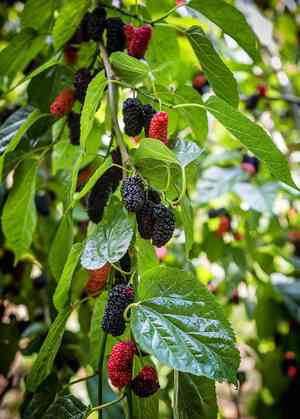
The most suitable period for relocating black mulberry is from late spring to early summer, since the temperate climate aids in root development. Select a bright area featuring soil that drains effectively. Verify that the chosen site can accommodate the black mulberry's full-grown dimensions to prevent subsequent strain.
What Preparations are Needed Before Transplanting Black Mulberry?
What is the Ideal Time for Transplanting Black Mulberry?
The best time to move black mulberry is in late spring as it transitions into early summer. This period offers warm soil, which promotes root growth before the peak summer heat. Moving black mulberry during this window allows the plant to establish a strong root system, aiding its adaptation and development. This timing aligns with the plant's natural growth cycle, reducing stress and increasing the likelihood of successful transplantation for black mulberry. By choosing this season, you provide black mulberry with a beneficial head start, enhancing its vitality and health.
How Much Space Should You Leave Between Black Mulberry Plants?
When relocating black mulberry, ensure proper spacing. Aim for a distance of approximately 10-20 feet (3-6 meters) between plants. This provides ample room for their roots to expand and grow without competing with each other.
What is the Best Soil Mix for Black Mulberry Transplanting?
For black mulberry, well-draining soil is optimal, ideally a loamy or sandy type. Before planting, incorporate compost or other organic material into the topsoil layer as a foundational fertilizer. This encourages robust growth and fruit production.
Where Should You Relocate Your Black Mulberry?
Select a sunny spot for your black mulberry. They require abundant sunlight, so a location receiving full sun (at least 6 hours daily) is perfect. While they can endure some shade, excessive shade can negatively impact their growth.
What Equipments Should You Prepare Before Transplantation Black Mulberry?
Gardening Gloves
To protect your hands from soil, thorns, and any unexpected critters in the ground.
Spade or Shovel
Crucial for excavating holes and moving earth. Ensure it's sharp and clean for efficient, precise digging.
Garden Hand Trowel
Useful for smaller, more detailed tasks and digging minor holes.
Watering Can or Hose
Essential for supplying your black mulberry with necessary moisture both before and after its relocation.
Mulch
Helps retain soil moisture and inhibit weed growth post-planting.
Garden Fork
Can gently loosen soil without harming roots when extracting the plant from the ground.
Pruning Shears
Handy for trimming the plant, if needed, both before and after its move.
How Do You Remove Black Mulberry from the Soil?
How Do You Remove Black Mulberry from the Soil?
From Ground: For black mulberry in the ground, water the area around the plant a day prior to the planned transplant. This facilitates easier removal. On transplant day, use a spade or garden fork to loosen the soil surrounding the plant, being careful to avoid damaging major roots. Gently lift the plant and lightly shake off excess soil from the roots.From Pot: For potted black mulberry, ensure the plant is watered a few hours before moving it. Then, place your hand over the pot's top, holding the plant's stem between your fingers, and invert the pot to release the plant. If it doesn't come out easily, tap the pot's edges to loosen the soil.From Seedling Tray: For black mulberry seedlings, water the tray thoroughly before removal. Then, use a spoon or small trowel to scoop out the seedling with its roots and surrounding soil to prevent root damage.
Step-by-Step Guide for Transplanting Black Mulberry
Site Preparation
Prepare the new planting location well in advance. The hole should be twice as wide and the same depth as the black mulberry's root ball. Loosen the soil within the hole to allow roots to spread easily.
Placing the Plant
Position the black mulberry in the center of the hole. The top of the root ball should be level with the ground's surface.
Backfilling the Hole
Once satisfied with the placement, backfill the hole with soil. This should be done gently to prevent harm to your black mulberry. Lightly firm the soil with your hands to eliminate air pockets while still allowing root penetration.
Watering
After planting, water thoroughly to settle the soil around the roots. This also aids the plant in recovering from the stress of relocation.
Applying Mulch
Spread a thin layer of mulch around the plant. This will help conserve moisture and keep weeds under control.
How Do You Care For Black Mulberry After Transplanting?
Feeding
Avoid fertilizing your newly planted black mulberry immediately after transplanting. Allow the plant a few weeks to establish itself in its new spot before applying any nutrients.
Watering
Maintaining a consistent watering schedule in the initial days is vital. This will help the black mulberry recover from transplant shock. Be cautious not to over-water, as this can lead to waterlogging and rot issues.
Pruning
Light pruning of the black mulberry may be necessary after transplanting to reduce water loss and help the plant focus energy on developing new roots. However, postpone heavy pruning until the plant is fully settled in its new location.
Monitoring
Regularly inspect your black mulberry for any indications of shock or stress, such as wilting, yellowing, or leaf drop. If these signs appear, reduce sun exposure and ensure the plant receives adequate water.
Troubleshooting Common Issues with Black Mulberry Transplantation.
What is the best time to transplant black mulberry?
The optimal period for transplanting black mulberry is typically between late summer and early autumn, corresponding to seasons 3 to 5. During this time, the plant's growth slows, making its transition to a new site easier.
How much distance should there be between two black mulberry plants?
For efficient and healthy growth, black mulberry plants should ideally be spaced approximately 10-20 feet (3-6 meters) apart. This ensures they have sufficient room to expand without overcrowding.
What's the correct way to prepare my black mulberry for transplanting?
Hydrate the black mulberry plant before transplanting. This helps minimize shock and simplifies extraction. Prepare a suitably sized hole in the new location to immediately place your plant after removal.
How deep should the new hole be for my black mulberry transplant?
The new hole's depth should ideally match the original root ball of your black mulberry plant. This allows the plant to sit at its natural depth once transplanted.
What to do if my transplanted black mulberry is wilting?
Wilting is a common sign of transplant shock. Ensure your black mulberry is watered consistently, kept away from extreme sunlight, and shielded from strong winds. If wilting persists, your plant might not recover.
My black mulberry doesn't show signs of new growth post-transplant. What to do?
Don't worry! After transplanting, black mulberry typically prioritizes root development, which might delay visible growth. Continue providing proper care: water, light, and patient observation.
How many days must I wait before watering the black mulberry after transplantation?
You should water your black mulberry immediately after transplanting to help it settle. Then, continue watering according to the plant's usual schedule or if the soil feels dry to the touch.
Do I need to add fertilizer while transplanting black mulberry?
It's best to avoid fertilizer during transplanting as it might harm delicate, stressed roots. You can apply a mild organic fertilizer 2 weeks after transplanting, once your black mulberry begins to settle.
Can I prune my black mulberry during transplantation?
Yes, you can lightly prune black mulberry during transplantation, removing any dead or diseased branches. However, avoid extensive pruning as it may add unnecessary stress to the plant.
What is the right soil mix for transplanting black mulberry?
Black mulberry requires fertile, well-draining soil. A mixture of one part garden soil, one part compost or well-rotted manure, and one part sharp sand or perlite usually works well.



