How to Transplant Noni?
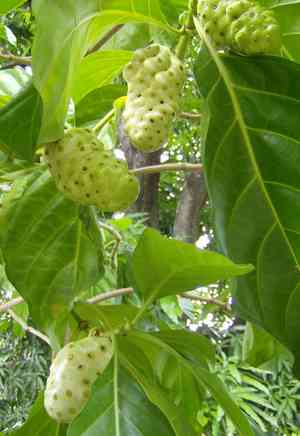
For noni, the optimal period for relocation is from early to mid-spring, since elevated temperatures and sufficient precipitation encourage robust root establishment. Select a bright, adequately draining spot to ensure a successful transfer. Remember, certain post-transplant care, such as appropriate irrigation, is vital for noni's development and hardiness.
Essential Preparations Before Relocating Noni?
Optimal Period for Noni Relocation?
The prime time to move your noni is from early spring through mid-spring. Given its perennial nature, transplanting during this window offers the best chance for root establishment before summer's heat. Moving noni in early-to-mid spring provides ideal growth conditions, allowing ample recovery time before the harsher summer and winter climates. Remember, developing strong roots before summer significantly impacts growth and plant health. Plan now for your noni's best chance at flourishing!
Recommended Spacing Between Noni Plants?
For optimal development, position your noni seedlings approximately 8-10 ft (2.4-3 m) apart. This spacing ensures sufficient room for growth and promotes good air circulation to prevent disease.
Ideal Soil Blend for Noni Transplanting?
Utilize a well-draining soil mixture rich in organic matter for your noni. Incorporate a phosphorus-rich base fertilizer to encourage robust root development. A slow-release fertilizer is quite effective for this purpose.
Optimal New Location for Your Noni?
Choose a site that receives full sun (at least 6-8 hours daily) for your noni. This provides the necessary warmth and light for the plant to thrive. Avoid heavily shaded areas in your garden.
Equipment Needed Before Noni Transplantation?
Gardening Gloves
To safeguard your hands when handling soil and the plant.
Garden Spade or Shovel
Crucial for digging around and lifting the noni plant.
Garden Trowel
A smaller digging tool for precise work, aiding in creating space for the plant in its new spot.
Watering Can
For hydrating the noni plant both before and after its relocation.
Mulch
To insulate the recently transplanted noni.
A Wheelbarrow or Sack Trolley
Useful for transporting the plant, especially if it's mature or large.
How to Extract Noni from the Soil?
How to Extract Noni from the Soil?
From Ground: First, thoroughly water the soil around the noni plant to soften it. Next, using a garden spade or shovel, loosen the soil surrounding the plant, ensuring the entire root system remains intact. Carefully lift the plant from the ground by sliding the spade beneath the root ball.From Pot: Begin by watering the noni plant thoroughly. Gently tilt the pot sideways and tap it to loosen the soil. Hold the plant by its root ball and carefully remove it from the pot. Be careful not to pull on the plant.From Seedling Tray: Water the noni seedlings, then gently press the base of the cells to release the seedlings. Ensure you handle the seedlings by their leaves, not the stem, to prevent damage.
Step-by-Step Guide for Noni Transplanting
Hole Preparation
Excavate a hole in the new location, deep enough for the noni plant's root ball to sit level with or slightly above the surrounding soil.
Plant Placement
Position the noni plant in the hole, carefully spreading its roots evenly within the space.
Backfilling
Gradually refill the soil, firming it as you proceed. Ensure the plant stands upright, making adjustments if needed.
Thorough Watering
After placing the plant, thoroughly saturate the area to help the soil settle around the roots.
Mulching
Cover the soil surface with mulch to retain moisture and suppress weeds.
Post-Transplant Care for Noni?
Consistent Watering
During the initial weeks until the noni is established, water deeply when the top few inches of soil become dry. Excessive watering can lead to root rot.
Pruning
Trim any damaged or excessively long roots before planting. After transplanting, reduce leaf area to minimize water loss.
Monitor for Signs of Stress
If your noni plant exhibits signs of transplant shock, such as wilting or yellowing leaves, adjust your care accordingly. With proper attention, it should soon recover from the stress of relocation.
Protection
Depending on the transplanting season, providing shade or frost protection for the first few weeks can help the plant better cope with the move.
Resolving Common Noni Transplantation Issues.
What is the best season to transplant noni?
The ideal period to transplant noni is from early spring to mid-spring. This allows the plant ample time to establish its root system before the warmer months.
How should I properly space noni during transplanting?
Aim for an optimal spacing of approximately 8-10 feet (2.4-3.05 meters). This ensures each noni can grow optimally without competing for nutrients and space.
What type of soil does noni prefer?
Noni thrives in well-draining soil. If your garden has clay-like soil, consider amending it with compost or sand to enhance drainage before transplanting.
How deep should I plant noni?
Plant noni at the same depth as its previous growing conditions. This will help the plant adapt more easily to its new location.
How soon should I water noni after transplanting?
Water noni immediately after transplanting. This helps settle the soil around the roots and reduces transplant shock.
Can I start noni in a pot for later transplanting?
Yes, noni can be initiated in a pot. Just ensure the pot is well-draining and provides sufficient room for root growth.
What's the correct method to remove noni from its original pot without damage during transplant?
Gently squeeze or tap the sides and bottom of the pot to loosen the root ball. Hold the base of the noni stalk, not the top, to carefully lift it out.
What is the proper way to place noni in its new hole during transplanting?
Carefully position noni in the hole, ensuring it's at the same depth as it was in the pot. Backfill with soil, gently firm it, then water thoroughly.
After transplanting noni, how do I ensure successful survival?
Water it regularly, especially initially until it establishes. Monitor its growth and health, promptly addressing any signs of distress.
What should I do if the transplanted noni shows signs of distress?
Transplant shock can cause wilting or yellowing. Ensure proper watering, avoid initial direct sunlight, and provide a nutrient boost if necessary to aid recovery.



