How to Transplant Wax myrtle?
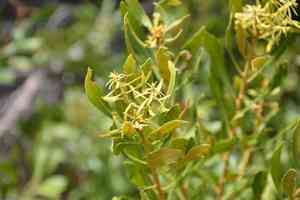
For wax myrtle, the revitalizing period of early to mid-spring provides the ideal conditions for relocation, guaranteeing a smooth adaptation. Choose a site that receives full sun to partial shade and features soil that drains effectively. Should sufficient area be available, allow generous space for development to foster a strong root structure.
What Preparations are Needed Before Transplanting Wax Myrtle?
What is the Ideal Time for Transplanting Wax Myrtle?
The best time to move wax myrtle is in early spring or when spring is just beginning. This period offers mild temperatures and moist soil, allowing wax myrtle to establish its roots before summer's heat. Placing wax myrtle in its new spot during this time ensures a gentle and rapid adjustment, promoting strong development. Choosing this season for transplantation gives your wax myrtle the best possible start in its new home.
How Much Space Should You Leave Between Wax Myrtle Plants?
Firstly, wax myrtle requires ample room! Therefore, when selecting planting locations, ensure a separation of approximately 4-5 feet (1.2-1.5 meters) between each plant. This enables wax myrtle to grow unhindered without competing for nutrients.
What is the Best Soil Mix for Wax Myrtle Transplanting?
Secondly, wax myrtle thrives in soil that drains well. So, make sure your garden soil is loose and allows water to pass through easily. A slow-release granular or organic fertilizer can provide wax myrtle with a healthy start, aiding in its adjustment process.
Where Should You Relocate Your Wax Myrtle?
Finally, locate a sunny spot in your garden! Wax myrtle needs full sun to partial shade to flourish. This means it should receive at least 6 hours of sunlight daily. Keep up the good work!
What Equipments Should You Prepare Before Transplantation Wax Myrtle?
Trowel
To excavate soil for transplantation and to remove excess soil or add more where needed.
Gardening Gloves
To safeguard your hands while handling soil and plants.
Watering Can/Hose
To hydrate the soil before removal and restore moisture after planting.
Shovel/Spade
To thoroughly dig around the wax myrtle's root ball, ensuring all roots remain intact during extraction.
Wheelbarrow (Optional)
To assist in moving wax myrtle from one spot to another, especially if it has a large root ball.
Mulch
To help maintain soil moisture and suppress weed growth after transplantation.
Compost
To replenish soil nutrients and help wax myrtle plants absorb water more effectively.
How Do You Remove Wax Myrtle from the Soil?
How Do You Remove Wax Myrtle from the Soil?
From Ground: First, thoroughly water the wax myrtle plant the day before transplanting to moisten the soil. This will simplify the removal process and keep most of the root system intact. Using a spade, dig around the plant, considering the size of its root ball; typically, dig a circle 6 inches from the plant's base. Carefully pry the spade beneath the root ball and lift the plant from its original spot.From Pot: To extract wax myrtle plant from its container, first water the plant completely. Then, place your hand on the soil surface with the stem between your fingers. Invert the pot, supporting the plant and compost, and gently squeeze the pot to release the root ball. If the plant is root-bound, you might need to tap the pot on a table edge to loosen it.From Seedling Tray: Gently water the trays, then use a clean, blunt tool like a pencil to push up from the bottom of each cell or a small knife to lift the seedlings by their leaves, not roots. Handle seedlings by their leaves, avoiding their delicate roots or stems.
Step-by-Step Guide for Transplanting Wax Myrtle
Digging a Hole
After removing the wax myrtle plant from its initial location, dig a hole in your chosen planting spot. The hole should be twice the width and the same depth as the container or the size of the root ball from the ground. Loosen the soil around the hole with your trowel.
Preparing the Plant
Gently loosen the outer roots of the plant if it is root-bound. This encourages the roots to spread outwards once planted.
Planting
Position the wax myrtle plant in the center of the hole, ensuring it stands upright. The top of the root ball should be level with the surrounding soil surface. Then, backfill the hole with soil, pressing down firmly but gently.
Watering
Water the wax myrtle plant thoroughly to help it settle into its new location. The water also eliminates air pockets in the soil around the plant's root system.
Mulching
Apply a layer of mulch around the base of the plant. This will help to retain moisture and prevent weed growth while the plant establishes itself.
How Do You Care For Wax Myrtle After Transplanting?
Watering
Depending on the climate and season, you may need to water the wax myrtle plant frequently after transplanting. Check the soil often; if the top inch is dry, it's time to water.
Pruning
Avoid extensive pruning immediately after transplanting to allow the tree to focus its energy on root establishment. However, do remove any dead, broken, or damaged branches.
Weed Control
Ensure the area around wax myrtle plant remains free of weeds. Weeds compete for water and nutrients, potentially affecting the plant's health.
Monitor
Watch for any signs of stress, such as yellowing leaves or wilting. If observed, review watering practices and adjust as needed.
Troubleshooting Common Issues with Wax Myrtle Transplantation.
When is the optimal season to transplant wax myrtle?
The best time to transplant wax myrtle is during the S1-S2 season, which offers ideal conditions for successful relocation.
What is the proper distancing for wax myrtle when transplanting?
Ensure you plant wax myrtle approximately 4-5 feet (1.2 - 1.5 meters) apart. This provides the plant with sufficient room to thrive without competing for nutrients.
What should I do if wax myrtle shows signs of wilting after transplanting?
Wilting after transplanting can indicate shock. Ensure wax myrtle is adequately watered, receives enough sunlight, and consider using a root stimulator for a swift recovery.
What kind of soil preparation is necessary before transplanting wax myrtle?
Wax myrtle prefers well-drained, loamy soil. Amend heavy clay or sandy soils with organic matter before planting for optimal results.
How deep should I plant wax myrtle during transplantation?
When transplanting wax myrtle, the hole should be as deep as the root-ball and twice as wide. This allows the roots to spread easily.
How can I promote root growth after transplanting wax myrtle?
After transplanting wax myrtle, encourage root growth with a consistent watering schedule and the use of a root growth stimulant. Avoid overwatering, which can lead to root rot.
What care regimen should I follow immediately after transplanting wax myrtle?
Immediately following transplantation, wax myrtle should be watered thoroughly and frequently, especially during dry periods. Gradually reduce watering as the plant establishes itself.
How do I manage pests after transplanting wax myrtle?
Monitor wax myrtle closely for pest infestations after transplanting. Use appropriate, eco-friendly pest control methods if an infestation is detected.
What do I do if wax myrtle shows signs of disease after transplanting?
If wax myrtle shows signs of disease, immediate isolation and treatment are recommended. Consult with a local garden center or extension service for specific advice.
What should I consider when choosing a transplanting site for wax myrtle?
Choose a sunny or partially shaded site for wax myrtle, and ensure the ground has well-drained, fertile soil. Consider the mature size of wax myrtle when selecting a location.



