How to Propagate Wax myrtle?
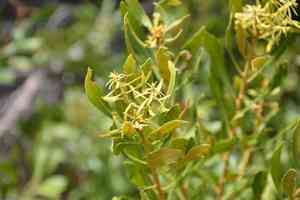
Bayberry can be successfully multiplied using cuttings throughout the spring and summer seasons. Its propagation is relatively straightforward, indicated by the emergence of fresh foliage. Optimal outcomes depend on correct stem cutting insertion and adequate soil hydration.
When Is the Optimal Time to Propagate Wax Myrtle?
Propagation Method
Cutting
Propagation Period
Spring, Summer
What Equipment Is Used for Wax Myrtle Propagation?
Sharp Pruning Shears
Sharp pruning shears are vital for obtaining healthy wax myrtle cuttings without crushing or tearing stems. A clean cut is essential to minimize infection risk and promote quick healing and root development.
Rooting Hormone Powder or Gel
Applying a rooting hormone to the cut end of wax myrtle cuttings can significantly boost the likelihood of successful root formation. This hormone stimulates root growth at the cut site, especially beneficial for hardwood cuttings that might otherwise root more slowly or with difficulty.
Sterile Potting Mix
A sterile potting mix ensures that wax myrtle cuttings are planted in a disease-free medium that offers proper drainage and aeration. This helps prevent root rot and other pathogens from harming the new plants during the critical root development phase.
Propagation Trays or Pots
Propagation trays or pots offer a suitable environment for planting wax myrtle cuttings. The container should provide ample space for root development and have adequate drainage to prevent waterlogging.
Plastic Covers or Mini Greenhouses
Maintaining a high humidity environment around wax myrtle cuttings is crucial for preventing moisture loss through the leaves. Plastic covers or mini greenhouses help retain moisture and create a greenhouse effect that supports the cuttings until they develop their own root systems.
Heat Mat (Optional)
For wax myrtle, which can benefit from slightly warmer soil temperatures to encourage rooting, a heat mat may be used to gently warm the soil, especially during cooler months or in colder climates. It should be used with a thermostat to regulate temperature and prevent overheating.
How to Propagate Wax Myrtle?
Propagation Method
Cutting
Difficulty Level
Moderately Challenging
How to Care for Your Newly Propagated Wax Myrtle?
How to Care for Your Newly Propagated Wax Myrtle?
Once the wax myrtle cutting has been successfully propagated and planted, it should be cared for according to its specific requirements. Wax myrtle prefers full sun to partial shade and well-draining soil. It is drought tolerant once established but will benefit from regular watering during its initial growing season. Mulch around the plant to retain moisture and suppress weeds. Prune wax myrtle in late winter or early spring to maintain its desired shape and encourage bushier growth. Fertilize in spring with a balanced, slow-release fertilizer designed for shrubs. Monitor for pests and diseases, though wax myrtle is generally resistant to most common issues.
Common Errors to Avoid When Propagating Wax Myrtle
Ignoring soil preferences
Using soil that does not drain well is a mistake for wax myrtle, as it prefers well-drained, sandy soils. Poor drainage can lead to root rot and hinder successful propagation.
Planting cuttings too deep
Inserting cuttings too deep into the propagation medium can cause wax myrtle cuttings to rot before they can establish roots. This prevents the cuttings from receiving adequate air and light, which are crucial for initial growth.
Overwatering
While maintaining moisture is crucial for cuttings to root, overwatering wax myrtle can cause fungal issues and rot, which are detrimental to the plant's health and propagation success.
Neglecting hygiene
Failing to use sterile tools and containers when propagating wax myrtle can introduce diseases to the cuttings, thereby compromising their ability to grow and thrive.
Tips For Propagating Wax Myrtle
Semi-hardwood cuttings
For wax myrtle, taking semi-hardwood cuttings from the current year's growth increases the chances of successful rooting as these have a good balance of maturity and growth potential.
Root hormone application
Applying rooting hormone to the cuttings of wax myrtle can significantly increase the likelihood of successful root development, fostering stronger initial growth.
Proper cutting placement
Spacing the cuttings of wax myrtle properly in the propagation medium ensures adequate airflow and reduces the risk of fungal growth, which can be detrimental to immature plants.
Environment control
Maintaining a controlled environment with consistent humidity and temperature can enhance the rooting process for wax myrtle cuttings, leading to higher propagation success rates.



