How to Transplant Wild mint?
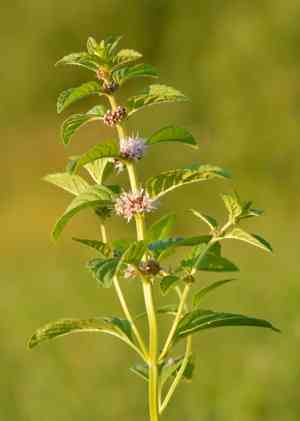
The ideal period for relocating wild mint is from the mild temperatures of late spring through early summer, which guarantees vigorous development. Select a location that receives full sun to partial shade, featuring soil that drains effectively, and preserve the root mass undisturbed for effortless establishment.
What Preparations are Needed Before Transplanting Wild Mint?
What is the Ideal Time for Transplanting Wild Mint?
The optimal period for relocating wild mint is from late spring to early summer. This timeframe provides an excellent balance of warm soil and mild weather, fostering robust root development without the strain of intense midsummer heat. Placing wild mint in the garden during this revitalizing season allows for smooth acclimatization and a strong start. The moderate temperatures and extended daylight hours support its growth and enhance its resilience before the peak demands of full summer. Choosing this window ensures your wild mint has the best chance to flourish, establishing a lush and aromatic presence in your garden.
How Much Space Should You Leave Between Wild Mint Plants?
When moving wild mint, ensure a spacing of 1-2 feet (30-60 cm) between plants. This provides ample room for expansion without overcrowding, promoting healthy growth and overall vitality.
What is the Best Soil Mix for Wild Mint Transplanting?
For wild mint, plant it in rich, well-draining loamy soil. Before planting, incorporate a balanced, slow-release fertilizer to supply nutrients and encourage vigorous growth. Remember to water the soil after applying fertilizer.
Where Should You Relocate Your Wild Mint?
Position your wild mint in a spot that receives ample light, but avoids direct afternoon sun. Morning sun with some afternoon shade is perfect. This helps prevent the plant from drying out.
What Equipments Should You Prepare Before Transplantation Wild Mint?
Gardening Trowel
This small, handheld tool with a pointed, scoop-shaped metal blade is essential for transplanting wild mint, used for digging holes and adding soil to new planting sites.
Gloves
To safeguard your hands from dirt and minor injuries, always invest in a quality pair of gardening gloves.
Pruning Shears
For trimming roots or stems as needed.
Spade or Shovel
For larger tasks and to facilitate removal from the original location.
Garden Fork
To loosen the soil in the ground.
Watering Can
To water the wild mint before and immediately following transplantation.
Wheelbarrow
To transport wild mint if moving it from a distant spot, or to move mulch or compost before and after the transplant.
How Do You Remove Wild Mint from the Soil?
How Do You Remove Wild Mint from the Soil?
From Ground: Start by watering the wild mint in its current spot to moisten the surrounding soil. Using a spade or shovel, carefully dig around the wild mint, maintaining a safe distance to avoid damaging the root system. Continue to work your spade beneath the root ball and gently lift it from the ground. Try to keep as much original soil around the root ball as possible.From a Pot: Similarly, watering before removal will help protect the roots. Turn the pot on its side, grasp the wild mint at its base, and gently try to slide it out. If it resists, a tap on the bottom may be necessary.From Seedling Tray: Water the wild mint before removal. Using a small gardening tool, carefully lift it from the tray, ensuring the roots and attached soil remain as undisturbed as possible.
Step-by-Step Guide for Transplanting Wild Mint
Prepare the Ground
Loosen the soil in your chosen location with a garden fork. The area must be large enough to accommodate the wild mint's root ball.
Digging
Dig a hole using your trowel or shovel, depending on the wild mint's size, ensuring it's deep and wide enough to comfortably fit the root ball.
Placing the Plant
Gently position the wild mint in the hole, making sure it's not planted deeper than it was in its previous spot. Ensure the roots are spread out and not cramped.
Backfill the Hole
Refill the hole with soil, gently firming it around the base of the wild mint. Avoid applying heavy pressure to allow for root growth.
Water Immediately
After transplanting, water the wild mint right away so the soil settles around the roots and it gets a good start in its new location.
How Do You Care For Wild Mint After Transplanting?
Watering
Continue to water the wild mint regularly, especially on dry, warm days, until it is well-established. The topsoil should always be kept moist, but avoid overwatering.
Pruning
You might observe a few wilted leaves after transplantation. Do not worry; simply prune them. This will encourage new growth.
Monitor
Keep a close watch on the wild mint for a few weeks to check for any signs of shock such as wilting, leaf drop, or changes in color.
Protection
Depending on the season, you may need to shield the newly transplanted wild mint from harsh weather conditions. Simple protection can include using a shade cloth during hot summer days or a plant cover during very cold nights.
Troubleshooting Common Issues with Wild Mint Transplantation.
When is the best time to transplant wild mint?
The ideal time to relocate wild mint is during late summer to early autumn (S3-S4). This allows the plant to establish its roots before the cold season arrives.
What would be the ideal spacing for wild mint?
For wild mint, maintain a gap of approximately 1-2 feet (30-60 cm). This spacing provides them with sufficient area to flourish without excessive competition for resources.
What size should the pot or hole be for transplanting wild mint?
The pot or hole for wild mint should be twice the size of the root ball. This provides the roots with ample space to spread and grow optimally.
How deep should I plant wild mint when transplanting?
The hole should be just deep enough to cover the plant's root ball or match the depth of its previous pot. Ensure the stem base is at ground level.
How should I water wild mint after transplanting?
Water wild mint thoroughly immediately after transplanting. Keep the soil moderately moist but avoid waterlogging, as this can lead to root rot. Adjust watering based on weather conditions.
Why are the leaves of my transplanted wild mint wilting?
Wilting after transplanting (transplant shock) is common. Support wild mint with consistent watering and by avoiding direct sunlight. If plants do not recover within 2-3 weeks, consider potential diseases.
What type of soil is best for transplanting wild mint?
Wild mint prefers well-drained, fertile soil. Improve garden soil by adding compost or other organic matter to provide nutrients and enhance drainage.
Does wild mint require sunlight after transplanting?
Wild mint thrives in full sun to partial shade. After transplanting, provide adequate light but protect it from intense sun to minimize stress.
Do I need to fertilize wild mint after transplanting?
After relocating wild mint, wait 7-10 days before applying fertilizer. Use a balanced, slow-release organic fertilizer to support healthy growth.
How to prevent transplant shock in wild mint?
To prevent transplant shock in wild mint, water thoroughly before and after transplanting, avoid transplanting on hot, sunny days, and consider using a root growth stimulant.



