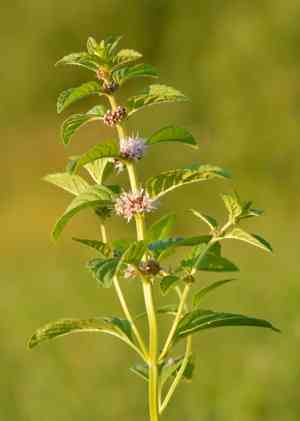
Wild mint (Mentha arvensis)
Also known as: Field mint, Marsh mint, Japanese peppermint, European corn mint, Banana mint
In various regions globally, people often brew a refreshing tea from the leaves of wild mint (*Mentha arvensis*), which is also widely used as a flavoring herb. The genus name of this plant is **Mentha**.
In This Article
Attributes of Wild mint
Lifespan
Perennial
Plant Type
Herb
Plant Height
10 cm to 1 m
Spread
1 m
Leaf Color
Green Blue
Flower Size
3 mm to 4 mm
Flower Color
White Pink Purple Violet
Images of Wild mint
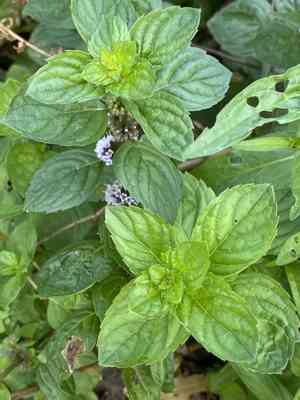
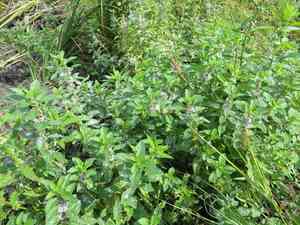
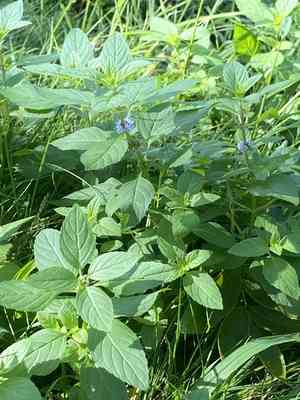
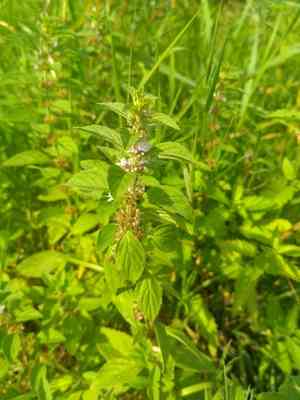
Quickly Identify Wild mint
1
Identifiable by its square stems, aromatic lanceolate to ovate leaves, and clusters of small, tubular flowers typically pink, lilac, or white in color. The leaves are arranged in opposite pairs.
Scientific Classification of Wild mint
Phylum
Vascular plants
Class
Dicotyledons
Order
Lamiales
Family
Mint
Genus
Mints
Species
Wild mint
Planting and Growing of Wild mint
Care Difficulty
Easy
Watering Schedule
Every 8 days
Sunlight Requirements
Full sun
Sunshine Duration
6-10 hours
Ideal Temperature
68-77℉
Soil Type
Potting Mix, Peat Mix
Soil pH
6-7.5
Fertilizer Type
Balanced
Pruning Season
Spring, Summer
Pruning Area
Branches, Leaves
Pruning Frequency
2 times a year
Repotting Season
Spring
Pot Type
Plastic, Ceramic
 How to Water Wild mint?
Mentha arvensis prefers moist, well-draining soil. When watering, aim to provide around 250 ml per plant ensuring the soil remains consistently damp but not waterlogged. Check the top inch of soil; if it feels dry, it's time to water. This approach helps to mimic the plant’s natural habitat around riverbanks and marshlands.
What are the symptoms of an underwatered Wild mint?
›
What should I do if my Wild mint is not getting enough water?
›
What are the symptoms of an overwatered Wild mint?
›
How to save an overwatered Wild mint?
›
 What Are the Sunlight Requirements for Wild mint?
Partial to full sun exposure is ideal for Mentha arvensis. Adequate sunlight supports vigorous photosynthesis, enhancing growth, aroma, and resistance against pests, contributing to robust plant health.
More About Sunlight Requirements Techniques→
How much sunlight does Mentha arvensis require?
›
What should you do if direct sun is too intense?
›
What are the signs of the plant receiving ideal sunlight?
›
 What Is the Ideal Temperature Range for Wild mint?
Mentha arvensis thrives best within a temperature range of 68 to 77 degrees Fahrenheit. This range facilitates optimal photosynthesis and prevents stress, ensuring healthy and robust growth. Under these conditions, the plant can maintain its hydration level and nutrient uptake, leading to a lush, thriving plant.
 What Soil is Best for Wild mint?
Mentha arvensis thrives in soil that offers excellent drainage. Well-drained soil prevents waterlogging, which helps in avoiding root rot, ensuring the plant gets just the right amount of moisture without drowning. Soils abundant in organic matter greatly benefit Mentha arvensis by providing essential nutrients. This enrichment fosters vigorous growth and enhances the plant's aromatic oils, which are its hallmark. This plant prefers moderately fertile soils. Such soils provide enough nutrients to support healthy growth without overwhelming the plant, ensuring that leaves remain lush and fragrant.
More About Soil→
 How to Fertilize Wild mint?
Mentha arvensis benefits from moderate fertilization. Use a balanced liquid fertilizer diluted at half strength, typically 1 tablespoon per gallon of water, applied twice a month. For granulated slow-release fertilizers, use approximately 1 pound per 100 square feet, distributed evenly over the growing area, three times a year.
More About Fertilizing Techniques→
 How to Prune Wild mint?
To prune Mentha arvensis, first locate the growth points at the tips of each stem. Using clean, sharp scissors or pruning shears, snip just above a pair of leaves to encourage branching. This not only spurs fuller growth but also maximizes the plant's health and production. Be sure to regularly remove any spent flowers and dead or yellowing leaves during the growing season to maintain plant vigor. After pruning, provide Mentha arvensis with adequate water to help it recover from the trimming stress. Applying a light layer of organic mulch can help conserve soil moisture and keep roots cool. Fertilize the plant with a balanced, water-soluble fertilizer every 4-6 weeks to support regrowth and improve mint oil quality.
More About Pruning Techniques→
 How to Propagate Wild mint plant?
1
Choose healthy and mature Mentha arvensis plants for propagation. Look for vibrant green foliage and strong stems. Avoid plants showing signs of disease or pest damage, as this can affect the success rate of propagation.
2
Use well-draining soil with a good mix of peat and sand for optimal growth conditions. Ensure the soil is moist but not waterlogged to support root development without causing rot.
3
Take 4 to 6-inch cuttings from the tips of healthy stems. Remove the lower leaves to expose nodes that will form roots. Dip the cut end in rooting hormone to encourage faster rooting before planting in containers.
 How to Repot Wild mint plant?
1
Mentha arvensis signals its need for repotting when you notice roots emerging from the drainage holes or when its growth significantly slows despite regular care. Additionally, if the soil has compacted or water is having difficulty draining, these are clear signs that repotting is in order. Spring and summer are the optimal seasons as the plant is actively growing and can recover quicker from the stress of repotting.
2
Choose a pot that is only slightly larger than the current one, preferably 1-2 inches wider in diameter. This ensures that the plant has room to grow without an excess of soil that could retain too much moisture. Make sure the pot has adequate drainage holes to prevent waterlogging and associated root issues, which could severely affect the plant's health.
3
Opt for a well-draining, loamy soil rich in organic matter for Mentha arvensis. This type of soil retains enough moisture for the plant's needs but allows excess water to drain away, preventing root rot. A slightly acidic to neutral pH will also support optimal nutrient availability and absorption, facilitating healthy and vigorous growth.
Learn More About Wild mint Diseases
Anthracnose
Bacterial Leaf Spot
Bacterial Soft Rot
Chemical Injury
Damping-off
Downy Mildew
Drought Stress
Fusarium Wilt
Gray Mold
Leaf Spot
Mosaic
Nutrient Deficiency
Nutrient Toxicity
Powdery Mildew
Root Rot
Root-knot Nematode
Rusts
Sooty Mold
Spider Mites
Temperature Stress
Thrips Damage
White Mold



