How to Transplant Giant honey flower?
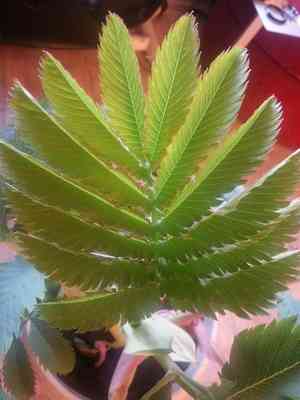
For giant honey flower, the ideal period for transplanting extends from the onset of late spring into the heart of mid-summer. Select a brightly lit location with soil that drains effectively to foster vigorous development. Maintain consistent soil moisture following transplantation to assist giant honey flower in establishing itself.
What Preparations are Needed Before Transplanting Giant Honey Flower?
What is the Ideal Time for Transplanting Giant Honey Flower?
Choose the active growth period after the last frost, typically from late spring through early summer. Relocating giant honey flower during this time encourages strong root development, benefiting from mild temperatures and extended daylight. Proper timing is crucial; these months offer the perfect combination of weather and soil conditions, ensuring giant honey flower thrives in its new spot.
How Much Space Should You Leave Between Giant Honey Flower Plants?
Hello, gardener! When preparing a new home for your giant honey flower, remember to provide ample room. Position them approximately 36-48 inches (91-122 cm) apart. This spacing will guarantee each giant honey flower has sufficient area to flourish!
What is the Best Soil Mix for Giant Honey Flower Transplanting?
Your giant honey flower will appreciate soil that drains well and is rich in nutrients. Before planting, mix in some organic compost to give them a strong start. A general-purpose, slow-release fertilizer will also boost your giant honey flower. Happy planting!
Where Should You Relocate Your Giant Honey Flower?
Sunlight is beneficial for giant honey flower! Select a location where your plant can receive full to partial sunlight â this will aid in robust growth. If uncertain, a spot receiving 6-8 hours of sun daily is a good choice.
What Equipments Should You Prepare Before Transplantation Giant Honey Flower?
Gardening Gloves
To safeguard your hands while handling soil and the plant.
Shovel or Spade
For digging and moving the giant honey flower.
Pruning Shears
To trim any damaged roots or leaves prior to transplanting.
Watering Can
To hydrate the giant honey flower before and after relocation.
Garden Fork
To loosen the soil around the plant's original position.
Wheelbarrow or Garden Cart
To transport the giant honey flower and soil.
Mulch
To help retain moisture and prevent weeds in the new planting area.
How Do You Remove Giant Honey Flower from the Soil?
How Do You Remove Giant Honey Flower from the Soil?
From Ground: First, moisten the giant honey flower plant's soil. Then, dig a wide trench around the plant with a shovel or spade, ensuring a substantial amount of soil remains with the root ball. Use a garden fork to loosen the soil if needed, and once loose, slide the spade under the root ball to carefully lift the plant.From Pot: Begin by watering the giant honey flower to facilitate removal. Turn the pot sideways, hold the plant by its base, and tap the bottom of the pot to encourage it to release. Gently pull the plant out while supporting the root ball.From Seedling Tray: Water the soil in the tray. Gently push from the bottom of a cell to lift the plant out. Handle it carefully by the leaves rather than the stem to prevent damage.
Step-by-Step Guide for Transplanting Giant Honey Flower
Preparation
Ensure all necessary tools are ready and the transplant site is prepared before beginning the process.
Plant Removal
Follow the appropriate 'removal process' for your giant honey flower's current location to safely lift the plant, minimizing root disturbance.
Transplant Hole
Dig a hole at the transplant site, making it twice the width of the plantâs root ball and of equal depth, to promote easy root growth.
Placement
Position the giant honey flower in the center of the hole. The top of the root ball should be level with the surrounding soil to ensure proper planting depth.
Filling In
Backfill the hole with soil, gently firming it around the root ball to eliminate air pockets. Ensure that the giant honey flower remains upright and centered as you work.
Watering
Water the giant honey flower thoroughly after planting to settle the surrounding soil and provide moisture to the roots.
Mulching
Apply a layer of mulch around the base of the giant honey flower to conserve soil moisture and regulate soil temperature.
How Do You Care For Giant Honey Flower After Transplanting?
Monitoring
Regularly check the soil moisture around the giant honey flower and water as needed to maintain consistent hydration.
Staking
If the giant honey flower is particularly large or top-heavy, consider staking it for support until its roots are established.
Pruning
Trim any damaged or excessively long roots before planting, and prune foliage if necessary to balance root loss and reduce water stress.
Protection
If transplanting occurs during unpredictable weather, be ready to shield the giant honey flower from extreme conditions like frost.
Troubleshooting Common Issues with Giant Honey Flower Transplantation.
When is the best time to transplant giant honey flower?
The optimal period for transplanting giant honey flower is from late spring to midsummer, when conditions support ideal root establishment.
How much space does giant honey flower need when transplanting?
Provide giant honey flower with ample room to thrive by spacing transplants 36-48 inches (91-122 cm) apart.
Why is my giant honey flower wilting after transplant?
Post-transplant wilting may indicate shock. Keep the soil moist and temporarily shield giant honey flower from intense sunlight.
What soil condition does giant honey flower prefer for transplanting?
Plant giant honey flower in well-draining soil, enriched with organic matter, to ensure a successful transplant.
How deep should I plant giant honey flower's root ball?
The top of giant honey flower's root ball should be level with the surrounding soil to encourage proper root expansion.
Can giant honey flower be transplanted in full sun?
Yes, giant honey flower thrives in full sun to partial shade. Ensure the transplant spot receives adequate sunlight.
How do I prepare giant honey flower for transplanting?
Water giant honey flower thoroughly before uprooting and prepare the new hole with added compost for a smooth transition.
Should I prune giant honey flower before transplanting?
Light pruning can help reduce transplant stress by balancing root loss, but avoid heavy pruning.
How often should I water giant honey flower after transplanting?
Initially water giant honey flower daily to ease transplant shock. Reduce frequency once it establishes.
What type of fertilizer is best after transplanting giant honey flower?
Use a balanced, slow-release fertilizer after transplanting to provide giant honey flower with steady nutrients.



