How to Transplant Arrowroot?
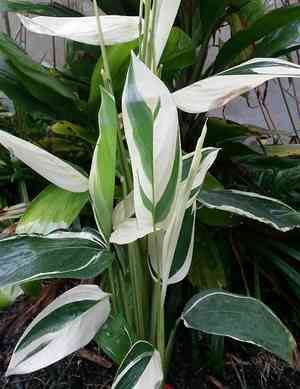
The ideal period for relocating arrowroot is from early to mid-spring or from late autumn to late winter, since varying seasonal temperatures aid in root development. Select a spot offering filtered light and soil that drains effectively for optimal outcomes. Bear in mind that patience and diligent attention are crucial when transplanting arrowroot.
What Preparations are Needed Before Transplanting Arrowroot?
What is the Ideal Time for Transplanting Arrowroot?
Moving arrowroot during the mild warmth of early to mid-spring or the cool calm of late autumn to winter is optimal. This timing allows arrowroot to strengthen its root system for the upcoming seasons. This careful preparation establishes a base for the next burst of vigorous growth.
How Much Space Should You Leave Between Arrowroot Plants?
For relocating arrowroot, it's best to space them approximately 6-12 inches (15-30 cm) apart. This provides ample room for them to develop and spread their roots healthily.
What is the Best Soil Mix for Arrowroot Transplanting?
A well-draining, fertile soil is perfect for arrowroot. Blend the soil with compost or a foundational organic fertilizer to supply essential nutrients. This helps create optimal soil conditions for arrowroot to flourish.
Where Should You Relocate Your Arrowroot?
Select a location for arrowroot where it can receive filtered or dappled sunlight. Excessive direct sun exposure may harm the plant. A spot beneath a tree or near a shaded area will be ideal for arrowroot's requirements.
What Equipments Should You Prepare Before Transplantation Arrowroot?
Gardening Gloves
To safeguard your hands while handling soil and the plant.
Shovel or Spade
For digging holes and moving the arrowroot plant.
Garden Trowel
For precise excavation around the plant, especially when extracting it from a container or tray.
Pruner
To trim any damaged or excess roots prior to transplanting.
Watering Can
To hydrate the plant before and after its relocation.
Organic Compost
To enrich the soil and provide nourishment for the arrowroot plant.
Mulch
To help maintain moisture and inhibit weed growth after transplanting.
How Do You Remove Arrowroot from the Soil?
How Do You Remove Arrowroot from the Soil?
From Ground: First, water the arrowroot plant to moisten the soil. Then, dig a wide trench around the plant using a shovel or spade, ensuring the plant's root ball remains intact. Carefully work the spade under the root ball to lift the plant from its original spot.From Pot: Water the arrowroot plant and allow it to drain. Hold the base of the plant with one hand, and slowly invert the pot, tapping the bottom until the root ball slides out. Avoid pulling the plant or harming the roots during this process.From Seedling Tray: Gently separate the arrowroot seedlings from adjacent plants, taking care not to damage their roots. Hold the base of the seedling, and use a small trowel or fork to lift the root ball out of the tray.
Step-by-Step Guide for Transplanting Arrowroot
Preparation
Prepare the new planting site by digging a hole that is twice the width of the arrowroot root ball and as deep as the plant was previously growing. Incorporate some organic compost into the excavated soil to provide nutrients and improve drainage.
Root Inspection and Pruning
Examine the roots of the arrowroot plant, and trim any damaged or excessive roots using pruners. Avoid removing more than 25% of the root system.
Plant Placement
Gently lower the arrowroot plant into the hole, making sure the top of the root ball is level with the surrounding soil. Avoid planting too deep, as this can lead to root rot.
Backfilling
Carefully backfill the hole with the amended soil, tamping gently around the plant to remove any air pockets.
Watering
Thoroughly water the arrowroot plant to help settle the soil and establish good root-to-soil contact.
Mulching
Apply a layer of mulch around the base of the plant, leaving a gap of a few inches from the stem. This will help retain moisture and suppress weeds.
How Do You Care For Arrowroot After Transplanting?
Watering
Keep the soil around the arrowroot consistently moist, but not soggy, for the first few weeks after transplanting to help establish strong roots.
Checking for Pests and Diseases
Monitor the arrowroot plant regularly for any signs of pests or diseases. Treat infestations promptly to maintain the health of your plant.
Fertilizing
After about a month, begin feeding your arrowroot with a balanced, liquid fertilizer every 4-6 weeks during the growing season.
Pruning
Trim back any damaged or dead leaves and stems to encourage bushy growth and maintain an attractive shape.
Troubleshooting Common Issues with Arrowroot Transplantation.
What are the best periods in the year to transplant arrowroot?
For the greatest success, transplant arrowroot during early to mid-spring or late fall to late winter.
What's the ideal spacing for arrowroot when transplanting?
Give each arrowroot sufficient room to grow by leaving 6-12 inches (15-30 cm) between plants.
What type of soil should I use for transplanting arrowroot?
Plant arrowroot in well-draining, fertile soil that is slightly acidic for the best growth and development.
What should I do if arrowroot wilts after transplanting?
No worries! Some wilting may occur after transplanting. If it continues, water arrowroot more frequently.
How much sunlight does arrowroot need after transplanting?
While arrowroot enjoys bright, indirect light, it's still a shade-loving plant. Too much direct sunlight can cause leaf burn.
How do I handle any transplant shock in arrowroot?
Minimize transplant shock in arrowroot by avoiding disturbances to roots and leaves during transplant. Keep it hydrated and in partial shade.
Should I fertilize arrowroot after transplanting?
Wait around four weeks after transplanting arrowroot to start feeding it. Fertilize sparingly and only during the active growing season.
What amount of water is needed after transplanting arrowroot?
Water arrowroot thoroughly after transplanting and keep the soil consistently moist to promote root growth, but not water-logged.
What signs indicate successful transplanting of arrowroot?
New growth, such as budding leaves or stems, indicates a successful transplant. It shows that arrowroot is adapting to its new environment.
Should I prune arrowroot after transplanting?
Give arrowroot a chance to settle in before any pruning. After a few weeks, you may trim off any yellow or wilting leaves gently.



