How to Transplant Garlic vine?
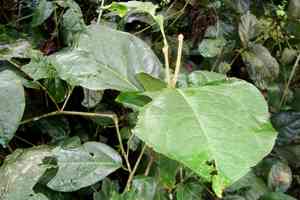
The optimal period for transplanting garlic vine spans from the invigorating start of spring to its radiant conclusion, facilitating vigorous root establishment. Choose a mild, partially shaded location featuring permeable soil to guarantee the garlic vine's successful relocation.
What Preparations are Needed Before Transplanting Garlic Vine?
What is the Ideal Time for Transplanting Garlic Vine?
The perfect time for moving garlic vine is from early spring until the start of summer. This period, with its mild temperatures and consistent moisture, creates an optimal setting that promotes strong root growth and adaptation for garlic vine. Transplanting during this phase allows garlic vine to get established before the summer heat, ensuring more vigorous, resilient development. Following these seasonal patterns aligns with natural growth cycles, boosting the health and longevity of your garlic vine. It's nature's way of saying it's the best moment to help your garlic vine thrive!
How Much Space Should You Leave Between Garlic Vine Plants?
To allow your garlic vine ample room to grow, aim to plant them approximately 36-48 inches (91-122 cm) apart. This spacing will provide sufficient growth area and air circulation, helping to prevent any crowding.
What is the Best Soil Mix for Garlic Vine Transplanting?
Your garlic vine will flourish in soil that drains well and is rich in organic material. Before planting, incorporate a slow-release fertilizer to give your garlic vine a healthy beginning. A balanced 10-10-10 NPK fertilizer is a suitable option for new gardeners.
Where Should You Relocate Your Garlic Vine?
Your garlic vine will appreciate a location that receives full to partial sunlight. Select a spot where your plant can enjoy at least 4-6 hours of direct sun daily. This will help your garlic vine produce the best blooms and most robust growth.
What Equipments Should You Prepare Before Transplantation Garlic Vine?
Gardening Gloves
To safeguard your hands while handling soil and plants.
Trowel
For digging out smaller garlic vine plants if they are being moved from pots or seed trays.
Shovel or Spade
To extract garlic vine plants from the ground with minimal root damage.
Watering Can
For hydrating before and after transplanting the garlic vine.
Pruning Shears
To trim any dead or excess growth prior to transplanting.
Wheelbarrow or Garden Cart
For easily transporting the garlic vine and soil if the new site is far.
Garden Hose
For watering the plant if a watering can is insufficient.
Measuring Tape
To ensure correct spacing between the newly transplanted garlic vine.
Stake or Plant Support
To offer stability to the garlic vine as it develops.
How Do You Remove Garlic Vine from the Soil?
How Do You Remove Garlic Vine from the Soil?
From Pot: Lightly tap the pot's sides to loosen the soil. Turn the pot sideways and carefully slide the garlic vine out by holding the stem's base, not the leaves. Guide the root ball out gently to avoid root damage.From Seedling Tray: Water the seedling tray to facilitate removal. Use a trowel to carefully lift each garlic vine seedling, taking care not to harm the delicate root system.From Ground: Water the area around the garlic vine to soften the earth. Use a shovel or spade to dig a wide circle around the plant, going deep enough to encompass the entire root ball. Gently work the tool beneath to lift the garlic vine, keeping the root ball intact.
Step-by-Step Guide for Transplanting Garlic Vine
Preparation
Ensure all tools are ready and the transplant location is prepared.
Root Ball Care
Water the garlic vine thoroughly beforehand to reduce root stress.
Digging
Excavate a hole in the ground where you plan to transplant the garlic vine, making it twice as wide and the same depth as the root ball.
Transplanting
Carefully position the garlic vine in the middle of the new hole. Backfill around the root ball with soil, gently firming to remove air pockets.
Staking
If the garlic vine is tall or needs support, insert the stake now to prevent future root damage.
How Do You Care For Garlic Vine After Transplanting?
Stabilization
Use a stake or plant support to secure the garlic vine if it appears to be leaning or unstable.
Watering
Ensure the soil around the garlic vine stays moist by checking it daily for the initial few weeks. This is vital for the plant's establishment.
Mulching
Apply a layer of organic mulch around the base of the garlic vine to help retain moisture and deter weed growth.
Pruning
Trim away any dead or damaged growth to encourage healthy new shoots and direct the plant's energy towards root establishment.
Observation
Monitor the garlic vine for any signs of stress such as wilting, leaf discoloration, or stunted growth, and address them promptly.
Troubleshooting Common Issues with Garlic Vine Transplantation.
What's the best time to transplant garlic vine?
Transplant garlic vine as spring transitions into warmer weather, typically early to late spring.
How far apart should I plant garlic vine?
Space garlic vine approximately 36-48 inches (91-122 cm) apart to allow them room to thrive.
Why are my transplanted garlic vine wilting?
Wilting after transplanting often indicates root disturbance. Ensure careful handling and sufficient watering.
Can I transplant garlic vine on a hot day?
It's preferable to transplant garlic vine on a cooler, overcast day to minimize plant stress.
What soil is best for transplanting garlic vine?
Utilize well-drained soil rich in organic matter to give garlic vine a strong start.
How deep should I plant garlic vine?
Place garlic vine in a hole as deep as its root ball but twice as wide to promote spreading.
How much water does garlic vine need after transplanting?
Keep the soil consistently moist but not waterlogged to help garlic vine establish.
Should I prune garlic vine when transplanting?
Light pruning can lessen stress. Trim damaged or excess growth to direct energy to the roots.
Why isn't my garlic vine growing after transplanting?
Verify proper planting depth, spacing, and watering. Patience is key; sometimes garlic vine needs time to settle.
Can I fertilize garlic vine right after transplanting?
Wait 4-6 weeks before fertilizing to allow garlic vine to adjust and roots to recover from any transplant shock.



