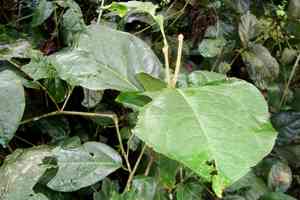
Garlic vine (Mansoa alliacea)
Also known as: Garlic Vine
Garlic vine (Mansoa alliacea), originally from northern South America, is widely cultivated in warm regions beyond its native habitat. It is commonly found in the West Indies, and has also been successfully grown in locations such as Puerto Rico, South Africa, Thailand, and India.
In This Article
Attributes of Garlic vine
Lifespan
Perennial
Plant Type
Vine
Plant Height
2.5 m
Spread
1 m to 4 m
Leaf Color
Green
Flower Size
5 cm
Flower Color
Purple White Pink
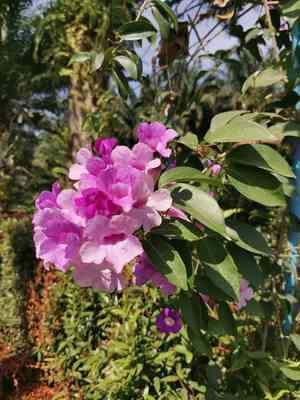
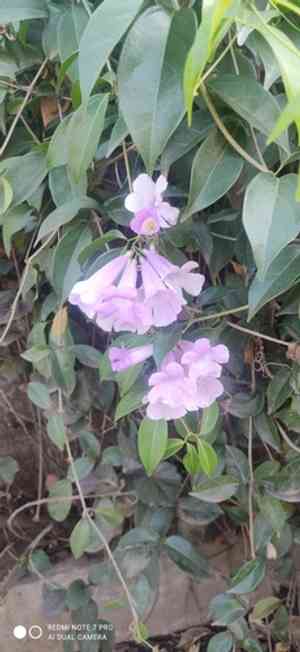
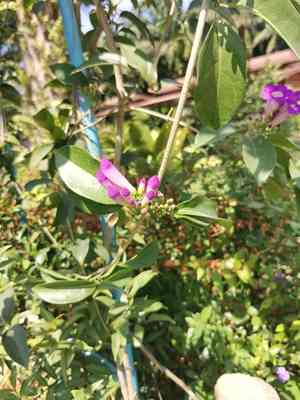
Images of Garlic vine
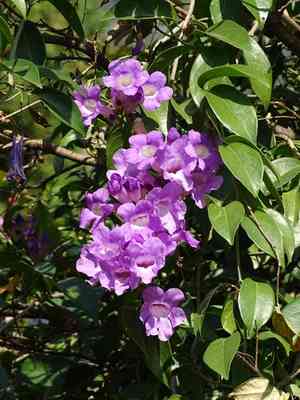
Quickly Identify Garlic vine
1
Mansoa alliacea can be identified by its compound leaves which emit a garlic-like odor when crushed, tubular flowers that are purple when young and fade to light pink as they age, and woody, vine-like stems.
Scientific Classification of Garlic vine
Phylum
Vascular plants
Class
Dicotyledons
Order
Lamiales
Family
Bignonia
Genus
Garlicvines
Species
Garlic vine
Planting and Growing of Garlic vine
Care Difficulty
Easy
Watering Schedule
Every 4 days
Sunlight Requirements
Partial sun
Sunshine Duration
8-12 hours
Ideal Temperature
70-85℉
Soil Type
Potting Mix, Peat Mix
Soil pH
6.5-7.5
Fertilizer Type
Balanced
Pruning Season
Spring, Summer
Pruning Area
Branches, Leaves
Pruning Frequency
2 times a year
Repotting Season
Spring
Pot Type
Plastic, Ceramic
 How to Water Garlic vine?
When watering Mansoa alliacea, ensure the soil is thoroughly soaked. Water around 500 ml each time, allowing excess to drain out, ensuring roots access moisture without saturation. This plant thrives with moist, well-drained soil.
What are the symptoms of an underwatered Garlic vine?
›
What should I do if my Garlic vine is not getting enough water?
›
What are the symptoms of an overwatered Garlic vine?
›
How to save an overwatered Garlic vine?
›
 What Are the Sunlight Requirements for Garlic vine?
The ideal light range for Mansoa alliacea is partial sun, where it enjoys 4 to 6 hours of sunlight. This range allows it to maximize photosynthesis and growth, enhancing flowering potential and leaf health while preventing light-stress-related issues.
More About Sunlight Requirements Techniques→
What is the best environment for Mansoa alliacea?
›
How can you optimize light conditions for this plant?
›
What benefits does the ideal lighting provide Mansoa alliacea?
›
 What Is the Ideal Temperature Range for Garlic vine?
Mansoa alliacea thrives best in a warm and humid environment. The ideal temperature for maximizing its growth and health is between 70°F and 85°F. This range replicates the plant's native tropical climate, ensuring optimal physiological and metabolic processes necessary for its vibrant foliage and blooming.
 What Soil is Best for Garlic vine?
Mansoa alliacea thrives in well-draining soil that prevents waterlogging and root rot. It allows for optimal air circulation, ensuring the roots stay healthy and the plant remains vibrant. This plant prefers nutrient-rich soil to support its growth. Organic matter or well-rotted compost can enhance soil fertility, resulting in strong and lush leaves. Soil that retains moderate moisture suits Mansoa alliacea best. It balances moisture with drainage, helping maintain the plant’s hydration without drowning its roots.
 How to Fertilize Garlic vine?
Mansoa alliacea, commonly known as garlic vine, thrives with moderate feeding. A balanced liquid fertilizer diluted to half strength is recommended; around 10-15 ml per liter of water should suffice. Apply this evenly to the soil ensuring not to over-saturate.
 How to Prune Garlic vine?
Start by identifying branches that are dead, diseased, or crossing others. These should be your primary targets for removal. Additionally, trim back any excessively long branches to encourage a more compact form. Make your cuts at a 45-degree angle just above a leaf node or lateral branch. This encourages new growth in the desired direction. Be mindful not to cut too close or leave too much stub, as this can invite disease.
More About Pruning Techniques→
 How to Propagate Garlic vine plant?
1
Choose healthy, young, semi-hardwood stems about 4-6 inches long. Ensure they are free from disease or pests to maximize the chances of successful rooting.
2
Use a well-draining potting mix, such as a combination of peat and perlite, to provide the right balance of moisture retention and aeration for the cuttings.
3
After dipping in rooting hormone, place the cuttings about 2 inches deep into the potting mix, firming the soil around the base to provide stability.
 How to Repot Garlic vine plant?
1
Repot your Mansoa alliacea when you notice roots growing out of the drainage holes or when the plant seems to dry out quickly after watering. These signals are telltale signs that the plant has outgrown its current home and requires more space to thrive.
2
Select a pot that is one size larger than its current pot. Ensure it has sufficient drainage holes to prevent water from accumulating at the bottom. A pot that's too large can retain too much moisture, leading to root rot, so size matters!
3
Go for a well-draining potting mix, possibly enriched with perlite or sand for extra aeration. This soil mix helps to prevent waterlogged conditions that can suffocate the roots while still providing adequate nutrients for growth.
Learn More About Garlic vine Diseases
Anthracnose
Bacterial Leaf Spot
Bacterial Soft Rot
Bacterial Wilt
Black Spot
Chemical Injury
Crown Gall
Cyst Nematode
Damping-off
Downy Mildew
Drought Stress
Fusarium Wilt
Gray Mold
Leaf Curl
Leaf Spot
Mosaic
Nutrient Deficiency
Nutrient Toxicity
Powdery Mildew
Root Rot
Root-knot Nematode
Rusts
Sooty Mold
Spider Mites
Temperature Stress
Thrips Damage
White Mold



