How to Transplant Low mallow?
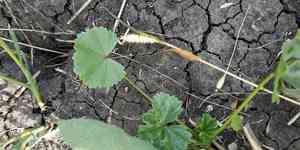
The most favorable period for relocating low mallow is from the increasing warmth of late spring through mid-summer, a time of active development. Select a bright spot featuring damp, adequately draining earth to foster strong rooting. Careful manipulation guarantees a successful transfer.
Essential Preparations Before Relocating Low Mallow?
Optimal Timing for Moving Low Mallow?
The best time to move low mallow is during the transitional seasons of late spring to early summer. During this period, moderate temperatures and consistent weather patterns provide an ideal setting for root development, minimizing transplant stress. Relocating within this timeframe allows low mallow to fully benefit from the summer growing season, resulting in a strong and more resilient plant. Carefully shifting low mallow in these seasons enables it to flourish, utilizing the favorable conditions for exceptional development.
Recommended Spacing Between Low Mallow Plants?
When relocating low mallow, ensure each plant has sufficient room to expand. A good guideline is to position each plant 1-2 feet (30-60 cm) apart. This will provide plants ample space to grow and thrive, while also ensuring proper air circulation.
Ideal Soil Blend for Low Mallow Relocation?
Low mallow thrives best in soil that drains well, ideally sandy or loamy. Enhance your garden bed with a balanced base fertilizer to support robust growth and development. Remember, quality soil yields quality plants!
Optimal Location for Your Low Mallow?
For low mallow, select a garden spot that receives full sun to partial shade. Achieving the correct balance of sunlight and shade will provide your plant the energy it needs to grow strong and healthy. Happy relocating!
Equipment Needed Before Transplanting Low Mallow?
Spade or Trowel
This implement is used to excavate the plant from its current spot, or to dig a new hole for it at the new site. Be sure to select a spade or trowel that is robust and suitable for the size of the low mallow.
Gardening Gloves
To safeguard your hands while handling soil and the plant. They can also help prevent blisters from tool use.
Water Can
To hydrate the plant during extraction and relocation, ensuring the roots remain moist.
Wheelbarrow
For transporting the low mallow plant from its original position to its new one, especially if it's heavy or if you're moving multiple plants.
Mulch
To apply to the planting site after transplant. Mulch aids in retaining moisture and inhibiting weed growth.
Method for Removing Low Mallow from the Soil?
Method for Removing Low Mallow from the Soil?
From Ground: First, thoroughly water the low mallow plant to make the soil easier to manage. Use your spade or trowel to dig a wide circle around the plant's base, ensuring you go deep enough to keep as many roots intact as possible. Maintain the root ball's integrity as much as you can, and carefully lift the plant from the ground. Use a wheelbarrow if necessary to transport the plant to its new location.From Pot: If the low mallow is in a container, ensure the soil is damp and gently invert the pot while supporting the plant. Lightly tap the pot's bottom if the plant doesn't slide out. Handle the plant by its root ball, not its stem or leaves.From Seedling Tray: If your low mallow is still a seedling in a tray, water it first to facilitate removal. Then gently ease the seedling out of the tray by pushing up from the bottom, taking care to preserve as much of the root system as possible.
Step-by-Step Guide for Relocating Low Mallow
Preparation
Prepare your new planting hole by first ensuring it is twice the width and the same depth as the low mallow's root ball. Loosen the soil at the bottom of the hole with your trowel or spade.
Placement
Hold the low mallow over the hole, ensuring the top of the root ball is level with the soil surface. Adjust the hole if needed.
Planting
Position the low mallow in the hole, making sure not to plant it deeper than it was in its original spot. Backfill the hole with the soil you removed, gently firming it around the plant's base.
Watering
After relocating, water the low mallow immediately to help the soil settle around the roots and lessen transplant shock.
Mulching
Cover the soil around the low mallow with a layer of mulch to conserve moisture and prevent weed growth.
Post-Transplant Care for Low Mallow?
Watering
For the initial week or two, low mallow will require careful attention to ensure it receives adequate water. Observe the leaf condition; wilting leaves often indicate insufficient water. However, avoid over-watering as this can lead to root rot.
Weeds
Monitor for weed growth around the low mallow. Weeds compete with the plant for nutrients and water. A well-maintained layer of mulch can help manage weeds.
Inspecting
Regularly check the low mallow for any pests or diseases. Early detection can prevent severe damage to the plant.
Pruning
Trim away any dead or damaged leaves to direct energy to the plant's active growth areas.
Resolving Common Issues with Low Mallow Relocation.
When is the ideal time to relocate low mallow?
The best time to relocate low mallow is during its 3rd to 5th seasonal stages. These stages typically occur in early to mid-spring, depending on your region.
What is the ideal spacing for relocating low mallow?
When relocating low mallow, ensure they are spaced 1-2 feet (30-60 cm) apart. This guarantees each plant has ample room to grow and flourish without competition.
What is an ideal depth for low mallow relocation?
Bury low mallow at the same depth it was growing in its original container. This is usually about 2-3 inches (5-7.5 cm) deep.
Why do my low mallow plants appear weak after relocating?
After relocating, low mallow may experience shock. Keep the plant well hydrated and protect it from extreme temperatures. This should aid its recovery.
Why are my newly relocated low mallow not growing?
If your relocated low mallow aren't growing, they might be too crowded or lack essential nutrients. Consider increasing the space between them or providing them with a balanced plant food.
Do I need to water low mallow immediately after relocating?
Yes, watering low mallow immediately after relocating helps settle the soil and reduces transplant shock. However, avoid overwatering as it may cause root rot.
Is staking necessary after low mallow relocation?
Low mallow does not generally require staking. However, in windy conditions or for taller plants, you may consider staking for additional support.
Do I need to prune low mallow after relocating?
Pruning immediately after relocating can cause stress to low mallow. Wait for a couple of weeks, then begin light pruning to encourage bushier growth.
How do I protect my relocated low mallow from pests?
Protect your low mallow from pests by maintaining a clean area, using insect-repelling plants, or applying organic pesticides. Regular inspections can help catch issues early.
Can I relocate low mallow in the shade or must it be in full sun?
Low mallow prefers a sunny spot, but it can also tolerate partial shade. However, too much shade can lead to leggy growth and fewer flowers.



