Low mallow (Malva pusilla)
Also known as: Round-leaved mallow
Dandelion (Taraxacum officinale) is a common plant that frequently appears in yards, lawns, and cracks in concrete. While it is often regarded as a weed, some gardeners appreciate its yellow flowers and choose to cultivate it in their gardens.
In This Article
Attributes of Low mallow
Lifespan
Annual, Biennial
Plant Type
Herb
Plant Height
25 cm to 50 cm
Spread
50 cm
Leaf Color
Green
Flower Size
6 mm
Flower Color
White Pink Purple
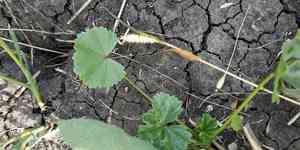
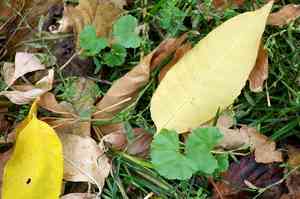
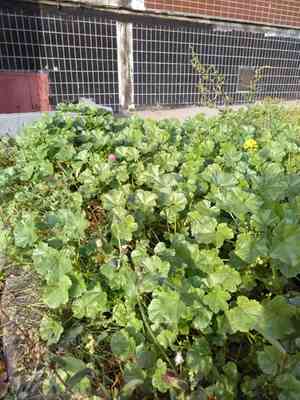
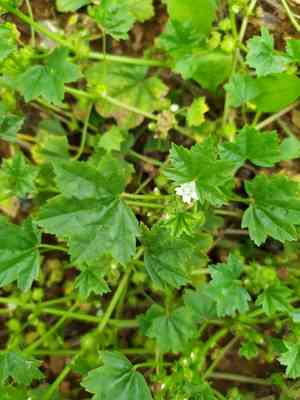
Images of Low mallow
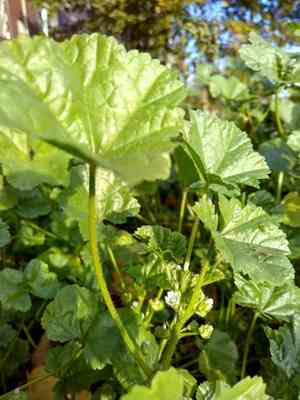
Quickly Identify Low mallow
1
Malva pusilla can be identified by its round leaves with a crinkled edge and tiny pink or white flowers with five petals. The plant is typically low-growing and spreads across the ground.
Scientific Classification of Low mallow
Phylum
Vascular plants
Class
Dicotyledons
Order
Malvales
Family
Mallow
Genus
Mallow
Species
Low mallow
Planting and Growing of Low mallow
Care Difficulty
Easy
Watering Schedule
Every 4 days
Sunlight Requirements
Full sun
Sunshine Duration
6-10 hours
Ideal Temperature
65-75℉
Soil Type
Potting Mix, Peat Mix
Soil pH
6.5-7.5
Fertilizer Type
Balanced
Pruning Season
Spring, Summer
Pruning Area
Branches, Leaves
Pruning Frequency
2 times a year
Repotting Season
Spring
Pot Type
Plastic, Ceramic
 How to Water Low mallow?
Malva pusilla, also known as the low mallow, thrives in soil that retains some moisture without being waterlogged. Each watering session should provide around 150 milliliters of water per plant. This amount ensures the soil is evenly moist but never soggy, promoting healthy root development.
What are the symptoms of an underwatered Low mallow?
›
What should I do if my Low mallow is not getting enough water?
›
What are the symptoms of an overwatered Low mallow?
›
How to save an overwatered Low mallow?
›
 What Are the Sunlight Requirements for Low mallow?
Malva pusilla prospers in full to partial sun conditions with ideal exposure. Adequate sunlight ensures enhanced vigor, abundant flowering, and overall robust plant health.
What is the ideal light for Malva pusilla?
›
How to achieve ideal lighting?
›
Benefits of ideal lighting for the plant?
›
 What Is the Ideal Temperature Range for Low mallow?
For Malva pusilla to thrive, it should be grown in a temperature range between 65°F and 75°F. This range ensures optimal growth and flowering, providing the necessary warmth for its metabolic processes without causing stress or dehydration.
 What Soil is Best for Low mallow?
Malva pusilla thrives in well-drained soil that prevents waterlogging, which can lead to root rot. Ensuring proper drainage allows for optimal root oxygenation and promotes healthier growth. This plant prefers soil with moderate fertility, which provides the essential nutrients it needs without an excess that could inhibit flowering. Balanced nutrient levels support robust foliage and abundant blooms. Malva pusilla benefits from consistently moist soil but should not be waterlogged. Keeping a balance in soil moisture prevents drought stress, ensuring the plant remains vibrant and grows steadily.
 How to Fertilize Low mallow?
When fertilizing Malva pusilla, use a balanced fertilizer at a 1:4 gallon ratio of water. Ensure that each application lightly saturates the soil but does not leave it waterlogged. Over-fertilization can inhibit flowering.
 How to Prune Low mallow?
Prune your Malva pusilla during its active growth period in spring, summer, or early autumn. Avoid pruning in winter, as the cold weather can stress the plant, and new cuts may not heal properly. Carefully inspect the plant and cut away any dead or damaged leaves or stems. This promotes healthy growth and prevents diseases from spreading to healthy parts of the plant. Begin shaping the plant by trimming excessive and unruly branches. Aim for a balanced look that ensures both aesthetic appeal and functional air circulation within the foliage.
 How to Propagate Low mallow plant?
1
Start by sowing seeds in a well-draining mix. Maintain consistent moisture without overwatering. Cover the seeds lightly with soil or vermiculite and provide warmth for optimal germination.
2
Select healthy stems and make clean cuts. Remove lower leaves and optionally dip in rooting hormone before placing in a moist growing medium. Ensure the cutting is stable and properly labeled.
3
Once seedlings have developed several leaves, carefully transplant them into individual pots or directly outdoors in a suitable area, ensuring the soil is enriched and the area receives adequate sunlight.
 How to Repot Low mallow plant?
1
Repot Malva pusilla when you notice roots poking out from the drainage holes, the soil not retaining moisture, or the plant appearing crowded. These signs indicate it's time for a spacious new pot.
2
Select a pot that's one size larger and has ample drainage holes. This ensures proper drainage and provides enough space for root expansion, promoting healthier and more vigorous growth.
3
Choose a well-drained loamy mix with good nutrient content. A proper soil mix provides necessary nutrients and prevents root rot, ensuring robust plant health and flower production.
Learn More About Low mallow Diseases
Anthracnose
Bacterial Leaf Spot
Bacterial Soft Rot
Damping-off
Downy Mildew
Drought Stress
Fusarium Wilt
Gray Mold
Leaf Curl
Leaf Spot
Mosaic
Nutrient Deficiency
Nutrient Toxicity
Powdery Mildew
Root Rot
Root-knot Nematode
Rusts
Sooty Mold
Spider Mites
Temperature Stress
Thrips Damage
White Mold
Chemical Injury



