How to Transplant Siberian crab apple?
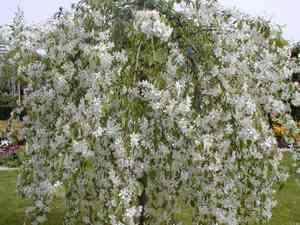
Select early to mid-spring for relocating siberian crab apple, allowing its root system to settle in moderate ground. Pick a location bathed in sunlight with soil that drains effectively, and a helpful suggestion: protection from powerful gusts assists siberian crab apple in adapting.
What Preparations are Needed Before Transplanting Siberian Crab Apple?
What is the Ideal Time for Transplanting Siberian Crab Apple?
The best time to move siberian crab apple is in the middle to late spring. This period offers siberian crab apple a mild environment and sufficient time to establish roots before summer's heat. Moving it during this season aligns with its natural growth cycle, allowing siberian crab apple to recover quickly and flourish in its new spot. Additionally, the warm yet moderate temperatures help the roots adapt without the stress of extreme weather. Choose this time for a successful transplant and watch siberian crab apple thrive in its new home.
How Much Space Should You Leave Between Siberian Crab Apple Plants?
When relocating siberian crab apple, proper spacing is vital for development. Maintain approximately 6-10 feet (1.8-3.0 meters) between each plant. This provides them ample room to grow and spread without competing for nutrients.
What is the Best Soil Mix for Siberian Crab Apple Transplanting?
Preparing your soil is essential before moving siberian crab apple. These plants prefer well-drained loamy to sandy soil. Incorporate some organic compost into the existing soil for a healthy nutrient boost. Remember, a good start can lead to a healthy, robust plant!
Where Should You Relocate Your Siberian Crab Apple?
The location you select for siberian crab apple should provide abundant sunlight, as these plants appreciate full sun exposure. They can also tolerate partial shade. Therefore, choose a spot in your garden where they can absorb sunlight while also enjoying some occasional shade.
What Equipments Should You Prepare Before Transplantation Siberian Crab Apple?
Shovel or Spade
These tools are necessary for digging holes in the ground and moving the siberian crab apple from its original spot to its new one.
Gardening Gloves
To protect your hands while handling soil and plants.
Garden Fork
This is useful for loosening the soil around the siberian crab apple tree, especially if you're moving it from the ground.
Wheelbarrow
Helps transport the siberian crab apple and soil.
Watering Can
You'll need this to water the siberian crab apple before and after transplanting.
Mulch
This helps retain moisture in the soil around the siberian crab apple after transplanting.
Stake and Garden Twine
These are used to support the siberian crab apple after transplanting and protect it from wind damage.
How Do You Remove Siberian Crab Apple from the Soil?
How Do You Remove Siberian Crab Apple from the Soil?
From Ground: Begin by moistening the soil around siberian crab apple using a watering can. This makes it easier to uproot the plant. Using a garden fork, gently loosen the soil around the siberian crab apple to about a shovel's depth. Be careful not to harm the roots. Once the soil is loose, use a shovel or spade to dig around and under the plant, ensuring the root ball stays intact. Lift the plant carefully and place it into a wheelbarrow for transport.From Pot: If the siberian crab apple is in a pot, start by tilting the pot sideways. Tap the rim gently to loosen the soil. Slide the plant out, hold the base and give the pot a tug. The siberian crab apple should come out easily with the root ball and soil intact.From Seedling Tray: If you've grown the siberian crab apple from seed in a seedling tray, gently lift the sapling by its leaves or stem. Make sure the root ball remains intact with the seedling when you lift it off the tray.
Step-by-Step Guide for Transplanting Siberian Crab Apple
Prepare the Hole
The hole should be 2-3 times the width and the same depth as the root ball of the siberian crab apple. This provides ample space for the roots to spread out.
Position siberian crab apple
Place the siberian crab apple in the hole, ensuring that the top of the root ball is level with the ground surface. Do not bury the root ball too deeply as this can suffocate the plant.
Backfill
Gently fill the hole with soil, firming it lightly as you go. Ensure the plant is upright and the root ball is covered. Do not compact the soil too tightly.
Watering
Water the siberian crab apple generously after transplanting and apply a layer of mulch around the base of the plant. This helps retain soil moisture and prevents weed growth.
Stabilise
If the siberian crab apple is young or in a windy location, use a stake and garden twine to provide support to the tree, tying it loosely to the stake.
How Do You Care For Siberian Crab Apple After Transplanting?
Regular Watering
Water your newly transplanted siberian crab apple consistently to prevent it from drying out and experiencing stress. Check the soil's moisture level frequently and water when the top inch of soil begins to dry.
Protection from Extreme Weather
The newly transplanted siberian crab apple still requires some protection from strong winds or hot, direct sun. A temporary shade or wind barrier may be beneficial.
Monitoring
After the transplanting process, it's crucial to closely observe the siberian crab apple. Look for any signs of distress such as wilting leaves or discoloration. If such symptoms appear, consider adjusting watering, mulching, or staking measures as needed.
Troubleshooting Common Issues with Siberian Crab Apple Transplantation.
When is the best time to transplant siberian crab apple?
The optimal period to transplant siberian crab apple is from late spring to early summer (S2-S3 season). This ensures proper root establishment before autumn.
How much space should be allocated between each siberian crab apple plant during transplantation?
Ensure each siberian crab apple has a distance of approximately 6 to 10 feet (1.8 to 3 meters). This spacing allows for optimal growth and spread.
What is the correct way to prepare for the transplanting of siberian crab apple?
Begin by selecting a suitable site with full sun and well-draining soil. Dig a hole twice the width and as deep as the current root-ball of the siberian crab apple.
How deep should I plant siberian crab apple?
Siberian crab apple should be planted at the same soil level as it was in its original pot. This prevents the plant from being suffocated or dehydrated.
How should I water siberian crab apple post-transplantation?
Immediately after transplantation, thoroughly water siberian crab apple. Maintain regular watering, especially during dry periods, but avoid waterlogging as it can cause root rot.
What if the transplanted siberian crab apple shows signs of transplant shock?
Firstly, remain calm! Ensure adequate watering, and add compost around the base. If the condition worsens, consult with a local horticulturist.
How should I manage the transplanted siberian crab apple during windy weather?
In windy conditions, stake the siberian crab apple to provide support and prevent uprooting. Ensure the stake is sturdy and does not harm the root system.
Should I prune the transplanted siberian crab apple?
Yes, light pruning should be performed after transplanting siberian crab apple to balance root loss. Prune damaged branches and shape freely growing ones.
Do I need to add fertilizer after transplanting siberian crab apple?
Yes, adding a mild, slow-release fertilizer post-transplant aids siberian crab apple's quicker establishment. However, avoid high-nitrogen fertilizer until its second year.
Do transplanted siberian crab apple usually get pests or diseases?
Siberian crab apple can acquire pests or diseases, especially when stressed. Check regularly for signs. If you observe any abnormalities, use organic pesticides/insecticides or consult a professional.



