How to Transplant Southern Crabapple?
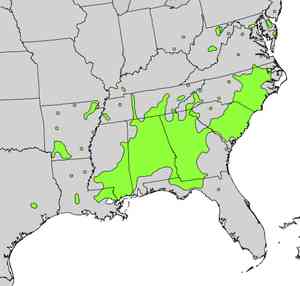
Relocate southern Crabapple during the pleasant period of late spring to early summer, as they are most receptive to development. Choose a location that receives ample sunlight and drains effectively, then amend the earth. Bear in mind, southern Crabapple prospers with careful handling and sufficient room to expand.
Preparations Required Before Relocating Southern Crabapple
Optimal Period for Southern Crabapple Relocation?
The best time to move southern Crabapple is from late spring to early summer. This period, following the last frost, allows the plant to establish roots in warm soil, minimizing transplant shock and encouraging robust growth before winter.
Required Spacing Between Southern Crabapple Plants?
For each southern Crabapple you plan to move, allocate approximately 10-15 feet (3-4.5 meters) of space from other plants. This ensures sufficient room for development and thriving. A general distance is adequate.
Best Soil Mixture for Southern Crabapple Relocation?
Southern Crabapple thrives in well-drained, slightly acidic soil. Enhance the base soil by incorporating organic matter like compost. Apply a slow-release, balanced fertilizer, such as a 10-10-10 formula, to provide a strong start.
Ideal Location for Southern Crabapple Relocation?
Choose a sunny to partially shaded spot for your southern Crabapple. These plants prefer ample light but can tolerate some shade. Aim for a location with morning sun and some afternoon shade.
Equipment Needed for Southern Crabapple Transplantation
Gardening Gloves
These are crucial for hand protection when working with soil and handling the southern Crabapple.
Shovel
This tool is necessary for carefully digging around the southern Crabapple in its original spot and preparing the new planting site.
Wheelbarrow or Tarp
This aids in moving the plant to its new location without harming the root ball.
Measuring Tape
To ensure the new hole is wide and deep enough for the southern Crabapple's root system.
Hand Trowel
Useful for manipulating soil in the new location, especially in confined areas.
Mulch
Essential for insulating the transplanted southern Crabapple and assisting with moisture retention.
Watering Can
To hydrate the newly transplanted southern Crabapple, ensuring proper moisture for root establishment.
How to Extract Southern Crabapple from the Soil?
How to Extract Southern Crabapple from the Soil?
From Ground: To remove southern Crabapple from the ground, first water it to soften the soil, facilitating digging. Use a shovel to create a trench around the plant, slightly wider than the estimated root ball and deep enough to encompass most roots. Work the shovel under the root ball, avoiding severe root damage, and lift the plant.From Pot: If southern Crabapple is in a pot, water it, then tilt the pot. Gently pull the southern Crabapple from its base, near the soil surface. It should slide out with soil and roots. If stuck, lightly tap the pot to loosen it.From Seedling Tray: For seedling trays, water first. Tilt and push from the bottom to release the southern Crabapple plug. Be careful not to squeeze or harm the delicate seedling.
Step-by-Step Guide for Transplanting Southern Crabapple
Hole Preparation
Dig a hole in the chosen spot that is twice the width and the same depth as the southern Crabapple's root ball. The top of the root ball should be level with or slightly above the surrounding soil.
Plant Preparation
Gently untangle any matted or circling roots on the southern Crabapple by hand or with a small gardening fork. Avoid damaging the roots, as this can hinder growth.
Plant Placement
Position the southern Crabapple in the hole, ensuring it is upright. If unstable, create a small soil mound at the bottom of the hole for support.
Hole Backfilling
Refill the hole with the excavated soil, firming it around the southern Crabapple's base to secure it.
Watering
After planting the southern Crabapple, water it thoroughly, allowing the water to penetrate the soil around the roots. Then, apply a layer of mulch, keeping it away from the plant stem.
Assessment
Check the plant's stability. It should be upright and firm. If not, reposition it and add more soil around the base for stability.
Post-Transplantation Care for Southern Crabapple
Watering
For the initial weeks after transplanting, maintain consistent moisture in the soil around the southern Crabapple to aid root establishment. However, prevent over-watering to avoid root rot.
Pruning
Remove any dead branches or excessive growth from the southern Crabapple to redirect energy towards root development. Avoid heavy pruning in the first year to prevent stressing the plant.
Monitoring
Observe for signs of transplant shock, such as wilting or yellowing leaves, and watch for pests and diseases. Address any issues promptly to ensure the southern Crabapple's survival and health.
Protection
Depending on your climate and local wildlife, you might need to shield your young southern Crabapple from harsh weather or foraging animals, using items like a tree guard or stakes. Always handle your southern Crabapple gently as it adapts to its new environment.
Troubleshooting Common Southern Crabapple Transplantation Issues
When is the optimal time of year to transplant southern Crabapple?
The best time to transplant southern Crabapple is late summer to early autumn (S3-S5) when temperatures are cooler, reducing plant stress.
What is the correct spacing for transplanted southern Crabapple?
Proper spacing is vital for southern Crabapple's health. Keep them approximately 10-15 feet (3-4.5 meters) apart for optimal growth.
What type of soil is best for transplanting southern Crabapple?
Southern Crabapple prefers well-draining soil, especially loamy or sandy types. Consider adding organic material for nutrient enrichment.
What depth should southern Crabapple be planted at when transplanting?
The hole should be twice as wide and as deep as the root ball. The top should be level with the soil surface.
How should I water southern Crabapple after transplanting?
Southern Crabapple requires ample water immediately after transplanting. Keep the soil consistently moist, but avoid waterlogging. Adjust watering based on weather conditions.
Is there any specific care needed for southern Crabapple right after transplanting?
In the first few weeks after transplanting southern Crabapple, proper watering, mulching to retain moisture, and monitoring for pests are crucial.
What if southern Crabapple leaves start wilting after transplanting?
Wilting can indicate transplant shock, under-watering, or over-watering. Adjust your care routine based on symptoms; consistency is key.
Can I transplant southern Crabapple into a container?
Yes, you can! Ensure you select a large container with excellent drainage. Repot when southern Crabapple outgrows its current container.
What to do if southern Crabapple isn't growing after transplanting?
Patience is important. However, if no growth occurs after several weeks, check soil nutrient levels, watering practices, and look for pests or diseases.
Is pruning southern Crabapple necessary after transplanting?
Immediate pruning isn't essential, but removing dead or damaged branches can help southern Crabapple focus energy on root establishment.



