How to Transplant Coulter lyrefruit?
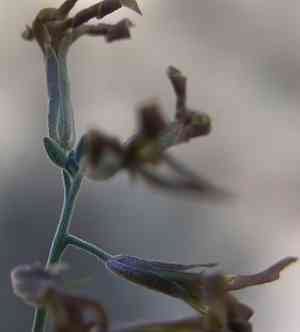
When transplanting coulter lyrefruit, plan your schedule for the mild period spanning late spring to early summer, or the tranquil beginning of early winter. This timeframe enables coulter lyrefruit to acclimate smoothly, benefiting from the temperate weather and consistent environment to develop its root system. Select a sunny location featuring soil that drains effectively to foster vigorous development. Helpful advice: Verify the new spot mirrors its original environment for an effortless move.
Essential Preparations Before Relocating Coulter Lyrefruit?
When is the Best Time to Move Coulter Lyrefruit?
Relocate coulter lyrefruit as spring concludes or winter begins. This period offers mild conditions, allowing roots to establish without extreme temperature stress.
What is the Recommended Spacing Between Coulter Lyrefruit Plants?
Provide ample room for your coulter lyrefruit to thrive. Position plants approximately 24-36 inches (60-91 cm) apart. This ensures sufficient space for root expansion and prevents overcrowding.
Which Soil Mixture is Optimal for Coulter Lyrefruit Relocation?
Prepare an accommodating bed for your coulter lyrefruit using well-draining soil. Incorporate a balanced, slow-release fertilizer to promote a strong start. Aim for a soil pH that is neutral to slightly alkaline for ideal development.
Where Should You Replant Your Coulter Lyrefruit?
Select a sunny location for your coulter lyrefruit to absorb ample sunlight. They prefer full sun, meaning at least 6 hours of direct sun daily. This is key to cultivating robust, thriving plants!
What Tools Are Necessary Before Transplanting Coulter Lyrefruit?
Gardening Gloves
To safeguard your hands while handling soil and the plant.
Shovel or Spade
For excavating the plant and preparing the new planting site.
Garden Fork
To loosen the soil surrounding the root ball during plant removal.
Watering Can or Hose
To hydrate the plant before and after its relocation.
Pruning Shears
To trim any damaged roots or foliage.
Wheelbarrow or Garden Cart
For transporting the plant and soil.
Measuring Tape
To ensure correct spacing between plants.
Plant Support Stakes
For stabilizing coulter lyrefruit if required.
How to Extract Coulter Lyrefruit from the Ground?
How to Extract Coulter Lyrefruit from the Ground?
From Ground: First, moisten the coulter lyrefruit plant by watering the soil. Next, use a garden fork to loosen the soil around the plant. Carefully dig a wide circle around the plant with a shovel, ensuring sufficient depth to encompass the entire root ball. Slide the shovel beneath and lift the plant from the ground, minimizing root disturbance.From Pot: Begin by watering the coulter lyrefruit plant to moisten the soil, which helps prevent root damage. Gently tip the pot onto its side and tap the base to loosen the root ball. Carefully ease the plant out while supporting the stem with your hand.From Seedling Tray: Water the seedlings thoroughly before transplanting. Use a dibber or a small tool to gently lift each seedling from its cell, taking care not to harm the delicate roots.
Step-by-Step Guide for Relocating Coulter Lyrefruit
Preparation
Schedule your relocation on an overcast day or in the late afternoon to minimize transplant shock.
Digging the Hole
Excavate a hole in the designated area that is twice as wide and as deep as the coulter lyrefruit's root ball.
Placing the Plant
Carefully position coulter lyrefruit in the center of the hole, ensuring the top of the root ball is level with the ground surface.
Refilling the Hole
Gently backfill the hole with soil, lightly tamping it down to eliminate any air pockets around the roots.
Stabilizing
If necessary, insert support stakes into the ground and secure the coulter lyrefruit with ties to maintain its upright position.
Watering
Thoroughly water the coulter lyrefruit, allowing moisture to penetrate the root zone.
Mulching
Apply mulch around the base of coulter lyrefruit to retain moisture and inhibit weed growth.
Post-Transplant Care for Coulter Lyrefruit
Initial Watering
Water the coulter lyrefruit generously immediately after transplanting to help settle the soil around its roots.
Monitoring Growth
Observe your coulter lyrefruit for indications of stress, such as wilting or yellowing leaves, and address them promptly.
Support Adjustments
Inspect and adjust the plant supports as coulter lyrefruit grows to ensure it remains stable and secure.
Gradual Sun Exposure
If coulter lyrefruit was previously in a shadier spot or indoors, slowly acclimate it to increased sunlight over several days to prevent shock.
Resolving Common Issues with Coulter Lyrefruit Transplantation.
How do I determine the optimal time to transplant coulter lyrefruit?
The best period for relocating coulter lyrefruit is late spring to early summer or early winter when temperatures are mild.
What is the ideal spacing for coulter lyrefruit during transplanting?
Ensure coulter lyrefruit is adequately spaced, approximately 24-36 inches (61-91 cm) apart, to allow ample room for growth.
How deep should the hole be for transplanting coulter lyrefruit?
Dig a hole that is twice the width of the root ball and of equal depth to promote robust root development.
Why are my transplanted coulter lyrefruit wilting, and how can I resolve it?
Coulter lyrefruit wilts when stressed; ensure gentle root handling and consistent soil moisture after transplanting.
How much should I water coulter lyrefruit after transplanting?
Water coulter lyrefruit thoroughly after transplanting to settle the soil, then maintain consistent moisture, but avoid overwatering.
Should I fertilize coulter lyrefruit immediately after transplanting?
Wait until coulter lyrefruit exhibits new growth before fertilizing, as premature feeding can harm delicate roots.
How can I protect coulter lyrefruit from pests after transplanting?
Monitor coulter lyrefruit for pests and implement appropriate measures promptly if any issues arise.
Can transplanting coulter lyrefruit in full sun cause problems?
While coulter lyrefruit enjoys sun, avoid midday sun immediately after transplanting to reduce stress. Partial shade can be beneficial.
How do I choose a suitable transplant location for coulter lyrefruit?
Select a site with well-draining soil and full sun exposure for optimal growth of coulter lyrefruit.
What indicates a successful transplant for coulter lyrefruit?
Successful transplant of coulter lyrefruit is evidenced by new foliage growth and stable, healthy stems.



