How to Transplant Golden spider-lily?
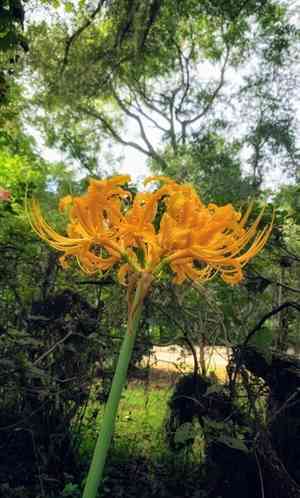
The arrival of spring's mild temperatures signals an ideal period for transplanting golden spider-lily, as this revitalized season encourages root development. Select a location offering full sun to partial shade, featuring soil that drains effectively, to support golden spider-lily's vigorous proliferation.
What Preparations are Needed Before Transplanting Golden Spider-lily?
What is the Ideal Time for Transplanting Golden Spider-lily?
When early spring arrives and growth begins, it's the perfect time to move golden spider-lily. This period allows golden spider-lily to settle into moderate soil, supported by increasing warmth and moisture, which are crucial for strong development. Moving golden spider-lily during this season aligns with its natural growth patterns, encouraging robust root formation before the peak of summer. Seize this opportunity to ensure your golden spider-lily flourishes beautifully!
How Much Space Should You Leave Between Golden Spider-lily Plants?
For planting golden spider-lily, maintain an optimal distance of 6-8 inches (15-20 cm) between each plant. Ample room to grow is essential for golden spider-lily! This spacing will lead to the best flower production.
What is the Best Soil Mix for Golden Spider-lily Transplanting?
You'll need to prepare soil that drains well and is rich in organic matter for golden spider-lily. Incorporate a foundational fertilizer, such as bone meal, to aid root development. Remember to mix it thoroughly with the soil!
Where Should You Relocate Your Golden Spider-lily?
Consider golden spider-lily when selecting its new spot. A sunny location with some afternoon shade is ideal, as it enjoys both sun and a bit of cover. It's sure to thrive there!
What Equipments Should You Prepare Before Transplantation Golden Spider-lily?
Gardening Gloves
To prevent injuries and keep hands clean while handling soil and the golden spider-lily plant.
Trowel or Spade
To carefully and safely extract the golden spider-lily plant from its original spot.
A new Pot or garden space
To place your golden spider-lily after removing it from its initial location. Ensure the pot has proper drainage and the garden area is free of weeds.
Scissors or Pruning Shears
To trim any damaged roots or leaves that might impact the health of golden spider-lily after transplantation.
Watering Can
To thoroughly water the golden spider-lily during and after moving it to a new site.
Organic Matter (compost or well-rotted manure)
For enriching the soil in the new location to encourage the growth of golden spider-lily.
How Do You Remove Golden Spider-lily from the Soil?
How Do You Remove Golden Spider-lily from the Soil?
From Ground: Begin by lightly moistening the soil to facilitate the extraction of golden spider-lily, but avoid making it waterlogged. Once the soil is damp, use a trowel or spade to dig carefully around the golden spider-lily. Continue digging until you can gently lift the plant's entire root ball from the ground.From a Pot: Start by lightly watering the golden spider-lily to loosen the soil. Turn the pot on its side and gently pull out the golden spider-lily plant by holding its base, not the stem. If it doesn't move, lightly tap the sides of the pot to help free the plant's roots.From a Seedling Tray: Fill a larger pot with potting soil. Create a hole in the soil large enough for the golden spider-lily seedling's root ball. Gently lift the seedling from the tray by holding its leaves, not the stem. Place the seedling in the hole you made in the soil of the larger pot.
Step-by-Step Guide for Transplanting Golden Spider-lily
Hole Preparation
Dig a hole in the ground or pot that is twice as wide and as deep as the root ball of golden spider-lily. Add a layer of organic matter at the bottom of the hole.
Inserting the Plant
Carefully place golden spider-lily in the hole, ensuring the top of the root ball is level with the soil surface. Fill in around the root ball with soil, gently firming as you go.
Watering
Water the golden spider-lily thoroughly using your watering can. The soil should be moist, but not saturated, and you should observe it settling around the root ball.
Organic Matter
If the soil in the new location lacks nutrients, it would be beneficial to mix more organic matter, such as compost or well-rotted manure, into the planting hole or around the base of the plant once it's planted.
How Do You Care For Golden Spider-lily After Transplanting?
Watering
Consistent watering is crucial initially. Regularly check the soil to ensure it doesn't dry out. However, remember that overly wet soil is as detrimental as dry soil.
Pruning
After several weeks, once golden spider-lily has settled, trim off any dead leaves or flowers. This will help redirect energy towards root and new foliage growth.
Check for Pests
Closely monitor golden spider-lily for a few weeks following the transplant. Pests might target a stressed plant more easily. If you find any pests, consult a local nursery for solutions to maintain your golden spider-lily's health.
Troubleshooting Common Issues with Golden Spider-lily Transplantation.
When is the best time to transplant golden spider-lily?
The optimal season for transplanting golden spider-lily is during the S1 period. The plant's survival rate is highest at this time.
What should be the correct spacing I should maintain while planting golden spider-lily?
To promote the growth of golden spider-lily, maintain an ideal spacing of approximately 6-8 inches (15-20 cm). This ensures sufficient room for healthy root expansion.
How deep should I plant golden spider-lily?
Plant golden spider-lily bulbs about 4 inches (10 cm) deep. This depth is perfect for them to anchor securely in the ground.
What's the best soil type for transplanting golden spider-lily?
Golden spider-lily thrives best in well-drained soil. Enriching the soil with organic matter can enhance nutrient availability and promote healthier growth.
Do I need to water golden spider-lily immediately after transplanting?
Yes, provide golden spider-lily with a thorough watering immediately after transplanting. This helps the soil settle around the roots and reduces transplant shock.
Is special care for golden spider-lily required in the first weeks post-transplant?
For the initial weeks, keep the soil around golden spider-lily moist but not waterlogged. Protect young plants from extreme temperatures to ensure their survival.
What's the recommended sunlight exposure for golden spider-lily after transplant?
Golden spider-lily prefers full sun to partial shade. Ensure it receives about 6-8 hours of sunlight daily. Too much shade could limit its blooms.
Should the golden spider-lily's bulbs be fully covered with soil?
Yes, golden spider-lily's bulbs should be completely buried in the soil. This protects them from being dislodged by wind or rain and ensures stability.
What should I avoid when transplanting golden spider-lily?
Avoid transplanting golden spider-lily into waterlogged soil or heavy clay, as this can lead to root rot. Also, steer clear of locations with intense afternoon sun.
How often should I fertilize golden spider-lily after transplanting?
Apply a balanced slow-release fertilizer to golden spider-lily twice a year. Once at the start of the growing season and again in mid-summer.



