How to Transplant Loofah?
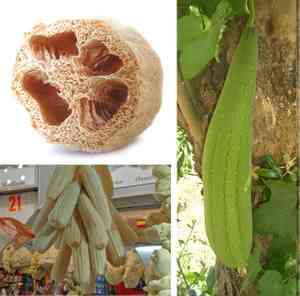
To ensure a vigorous beginning, relocate loofah during the peak of early to mid-spring, leveraging the temperate climate for root development. Choose a brightly lit spot with soil that drains effectively. Foster robust development in loofah by providing sufficient area for its extensive tendrils.
What Preparations are Needed Before Transplanting Loofah?
What is the Ideal Time for Transplanting Loofah?
For loofah, the transition from early to mid-spring offers the best window for relocation. This period provides a mild climate, perfect for root development without the danger of frost. Moving loofah during this phase ensures ample growth time in warmer seasons, leading to a plentiful harvest. This seasonal timing allows roots to settle and plants to flourish, promising a strong growth cycle. Let's embrace the warmer days by giving loofah a fresh start in the spring soil!
How Much Space Should You Leave Between Loofah Plants?
When relocating loofah, provide each seedling with adequate room to expand. Aim for distances of approximately 5-6 feet (1.5-1.8 meters) between them. This will guarantee they have sufficient space for robust, healthy development.
What is the Best Soil Mix for Loofah Transplanting?
Loofah thrives in rich, well-draining soil. A bit of pre-planting preparation can be beneficial, such as incorporating a base fertilizer like compost for added nutrients. Blend it thoroughly into your garden soil to create an inviting environment for your plants.
Where Should You Relocate Your Loofah?
For the new location, loofah prefers full sun exposure. Be sure to select a spot that receives abundant sunlight – the more, the better. Sunlight also helps maintain warm soil temperatures, which is crucial for inhibiting any germinating seeds.
What Equipments Should You Prepare Before Transplantation Loofah?
Gardening Gloves
To safeguard your hands from sharp objects, dirt, or irritants while handling the plant.
Shovel
A standard gardening shovel or spade will be utilized to dig sufficiently deep into the ground for the plant's root system.
Garden Scissors or Pruning Shears
To trim away dead, damaged, or diseased portions of the plant.
Watering Can or Hose
To moisten the soil both before and after relocating the plant.
Garden Trowel
To carefully extract the loofah from its current container or spot with minimal root disturbance.
Garden Stakes or Trellis
Loofah is a vining plant that can reach up to 15 feet in height, and will require a support structure to climb upon.
How Do You Remove Loofah from the Soil?
How Do You Remove Loofah from the Soil?
From Ground: If the loofah plant is already growing in the ground, lightly water it to moisten the soil. Using a shovel, dig a wide circle around the plant, being careful not to harm the roots. Gently lift the plant along with its root ball from the soil by sliding the shovel underneath and set it aside carefully.From Pot: If the loofah plant is in a pot, carefully turn the pot on its side and tap it gently to loosen the soil and roots. Grasp the plant at its base and gently pull it out of the pot. Never pull the plant out by its stems as this could cause damage.From Seedling Tray: If the loofah plant is a seedling in a tray, water the tray first to soften the soil. Using a trowel or your fingers, gently remove the seedling with its root mass intact without disturbing the other seedlings.
Step-by-Step Guide for Transplanting Loofah
Hole Preparation
Excavate a hole in the new location that is approximately twice as wide and the same depth as the loofah's root ball. Incorporate some compost into the hole to enhance drainage and provide nutrients.
Planting
Position the loofah into the hole, ensuring it is not too deep. The top of the root ball should be level with or slightly above the ground surface. Backfill the hole with soil, pressing down gently.
Watering
Water the plant immediately after planting. Apply water slowly to the base of the plant, allowing it time to soak into the soil and reach the roots.
Staking
Install a trellis or stake near the plant, being careful not to damage the root system. Gently tie the plant to the support with garden twine or cloth. This plant grows vertically and will require support as it matures.
How Do You Care For Loofah After Transplanting?
Watering
Ensure the loofah remains hydrated, especially during dry spells. While maintaining moist soil is important, avoid waterlogging as it can lead to root rot.
Pruning
Regularly inspect for any dead or diseased branches and trim them off to promote healthy growth.
Support
Monitor the plant's growth. As it develops, it may require additional support or adjustments to its existing support. Adjust or extend the support as needed.
Disease Control
Keep an eye out for any pests or diseases. Use organic pesticides/insecticides if an infestation occurs. Periodically check the plant leaves for any white spots or fungal growth. If found, remove the infected part immediately to prevent further spread.
Troubleshooting Common Issues with Loofah Transplantation.
When is the best time to transplant loofah?
The optimal period to move loofah is between S1 and S2, which are the ideal seasons for this procedure.
What is the correct spacing for loofah when transplanting?
Aim for a distance of about 5-6 feet (1.5-1.8 meters). This provides loofah with sufficient room to grow and spread without interference.
My loofah are wilting after transplant, what should I do?
Ensure loofah is not in excessively wet soil, which can cause transplant shock. Water just enough to keep the soil moist.
What kind of soil is best for transplanting loofah?
Loofah thrives in well-draining soil. If drainage is an issue, consider raised beds or adding organic matter to improve soil structure.
What is the suitable depth for transplanting loofah?
Bury loofah to the same depth it was in its previous container. Planting too deeply can lead to root rot.
Why are the leaves of my transplanted loofah turning yellow?
Yellow leaves could indicate overwatering or nutrient deficiencies. Reduce watering and consider a balanced slow-release fertilizer.
Should I prune loofah after transplanting?
Minimal pruning of damaged leaves can lessen stress on loofah. However, extensive pruning immediately after transplanting is generally not advised.
Can I transplant loofah in a pot?
Yes, loofah can be cultivated in containers. Just ensure the pot is large enough to accommodate growth and has good drainage.
Do I need to harden off loofah before transplanting?
Yes, hardening off, or gradually acclimating loofah to outdoor conditions over about a week, can reduce transplant shock.
Why is my transplanted loofah not producing any fruit?
Loofah is likely still establishing its root system. Be patient and maintain proper watering and fertilization. Fruit production should follow.



