How to Transplant Chinese Fan Palm?
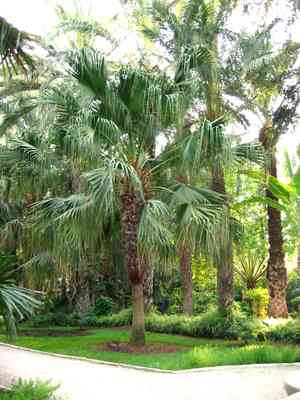
The most favorable period for transplanting Chinese Fan Palm is in the initial to middle stages of spring's vigorous growth, allowing them an entire season to become settled. Select a luminous, adequately draining location and guarantee the root mass remains undisturbed for a smooth transfer.
Preparations Required Before Relocating Chinese Fan Palm?
Optimal Period for Relocating Chinese Fan Palm?
The best time to move chinese Fan Palm is during the transition from early to mid-spring. This timeframe allows chinese Fan Palm a full season to establish itself, encouraging strong root development in the warming ground. Relocating chinese Fan Palm now aligns with its natural growth cycle, ensuring a smooth move to its new spot. By selecting this period, you help guarantee chinese Fan Palm thrives, highlighting the rewards of successful and effortless gardening.
Recommended Spacing Between Chinese Fan Palm Plants?
When positioning your chinese Fan Palm, ensure adequate room for expansion. Ideally, aim for a separation of approximately 6-10 feet (1.8-3.0m) between each plant. This facilitates healthy root spread and leaf display, giving your plant the best chance to flourish!
Ideal Soil Blend for Chinese Fan Palm Relocation?
For your chinese Fan Palm, it's crucial to utilize a soil mixture that drains well. Consider a sandy loam base with some compost. Prior to planting, enrich the soil by incorporating a foundational fertilizer. A slow-release granular type is an excellent, low-maintenance option.
Where to Replant Your Chinese Fan Palm?
Your chinese Fan Palm enjoys sunlight but also performs well in partial shade. Whether it's a sunny garden area or a partially shaded balcony, ensure the spot receives some direct sun daily. Remember to shield it from intense afternoon rays to prevent leaf scorching!
Equipment to Prepare Before Moving Chinese Fan Palm?
Gardening Gloves
To safeguard your hands from soil and any sharp objects within it.
Shovel or Spade
For excavating the hole in the ground and extracting the plant from its initial position.
Trowel
Suitable for handling smaller plants or working in confined areas.
Pruners or Scissors
For trimming any dead or damaged roots of the plant before its relocation.
Watering Can or Hose
To moisten the soil before, during, and after the transplanting process.
Wheelbarrow or Pot
To safely transport the plant from its original location to the new site.
Mulch
Applying around the plant's base after transplanting aids in retaining soil moisture.
How to Extract Chinese Fan Palm from the Soil?
How to Extract Chinese Fan Palm from the Soil?
From Ground: Start by watering the chinese Fan Palm plant to dampen the soil. Use a shovel or spade to dig a wide trench around the plant, ensuring the root ball remains intact. Position the spade beneath the root ball, then gently lift the plant from its original spot.From Pot: Water the potted chinese Fan Palm until the soil is thoroughly saturated. Invert the pot, and tap its rim against a firm surface to allow the plant and soil to slide out. Be careful to support the plant at its base during this process to prevent it from falling. If necessary, cut the pot away to protect the plant.From Seedling Tray: Water the chinese Fan Palm seedlings and gently squeeze the bottom of each cell to loosen the soil. Hold the seedling by its leaves, never the stem, and pull it out with a gentle tug. If the seedling doesnât easily come out, encourage it from the tray's bottom instead of yanking it.
Step-by-Step Guide for Relocating Chinese Fan Palm
Prepare the Plant
Trim away any dead, dying, or diseased parts of the chinese Fan Palm plant before moving it. Ensure healthy roots, foliage, and stems are preserved.
Dig a Hole
The excavation should be twice the width of the plant's root ball and equally deep. A wider hole will facilitate root spread and establishment in its new location.
Position the Plant
Place your chinese Fan Palm plant in the hole, making sure it is level with the surrounding ground. The top of the root ball should be even with or slightly below the soil surface.
Backfill the Hole
Carefully refill the hole with native soil or soil amendments if needed. Gently press it down to eliminate air pockets, which can dehydrate the roots. Ensure the plant isn't buried deeper than it was in its original container, as this could harm the stem.
Water Thoroughly
Water the plant until the soil is completely saturated. This helps the roots settle into their new home and encourages the soil to compact around them.
Post-Transplant Care for Chinese Fan Palm
Watering
The frequency of watering chinese Fan Palm plants depends on your climate's heat and dryness, as well as the soil type. However, newly relocated chinese Fan Palm plants will require consistent moisture until their roots are established. Never allow the chinese Fan Palm's soil to completely dry out.
Pruning
If the chinese Fan Palm plant experienced root loss during the move, it might not be able to sustain all its leaves. In such cases, you can reduce the canopy by up to one-third to compensate.
Protection
Apply mulch around the base of the chinese Fan Palm afterward to help retain soil moisture. Also, consider shielding the plant from direct sunlight with a translucent cover for the initial few weeks.
Addressing Common Issues with Chinese Fan Palm Relocation.
What's the best time of year to move chinese Fan Palm?
It's ideal to relocate chinese Fan Palm during seasons designated 'S1-S2', referring to your region's early or late growing period.
How much space should I maintain between chinese Fan Palm plants when moving them?
It's crucial to provide 6-10 feet (1.8-3.0 meters) between chinese Fan Palm plants during relocation. This will ensure proper growth and development.
What should I consider before starting the relocation of chinese Fan Palm?
Ensure chinese Fan Palm exhibits healthy foliage with no signs of stress or disease. Provide ample hydration before the move for an easier process.
Is pruning necessary for chinese Fan Palm during relocation?
Pruning isn't essential, but you can remove any damaged or diseased leaves to encourage healthier growth after the move.
How deep should the hole be when relocating chinese Fan Palm?
The hole should be twice the size of the chinese Fan Palm's root ball, but not deeper than the root ball. Remember, plant roots need sufficient air.
Is there a specific method for placing chinese Fan Palm in the hole?
Place the chinese Fan Palm upright in the hole, avoiding excessive depth. Spread the roots and ensure it's at the same soil level as it was previously.
How should I care for chinese Fan Palm immediately after relocation?
Water the chinese Fan Palm generously after relocation, allowing water to penetrate the hole. Consistent watering in the first few weeks is vital for establishment.
Should I use fertilizer immediately after relocating chinese Fan Palm?
Avoid applying fertilizer immediately after relocating chinese Fan Palm. Wait 4-6 weeks, allowing chinese Fan Palm to adapt. Later, use a balanced liquid fertilizer for vigorous growth.
How to ensure successful relocation of chinese Fan Palm in a pot?
For potted relocation of chinese Fan Palm, ensure a good-quality soil mix and a pot with drainage holes. The pot should be wide enough to accommodate the roots.
How to tell if the chinese Fan Palm is adjusting well after relocation?
Look for new growth as an indicator of successful relocation. Observe regularly; if chinese Fan Palm shows wilted leaves or slow growth, it may need additional care.



