How to Transplant Pine lily?
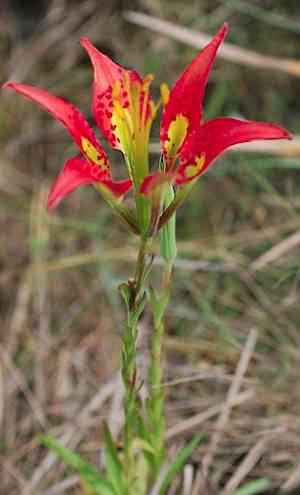
The ideal period for relocating pine lily is from late spring through early summer, facilitating a smooth transition into warm, favorable growth environments. Select damp, adequately drained spots that offer partial shade. Bear in mind, pine lily flourishes with infrequent handling, so proceed with care.
What Preparations are Needed Before Transplanting Pine Lily?
What is the Ideal Time for Transplanting Pine Lily?
The optimal period for relocating pine lily is from late spring to early summer. This timing precedes intense heat, allowing pine lily to establish its root system without the stress of high midsummer temperatures. Moving pine lily during this favorable growth season improves its chances of survival and robust development, leading to a spectacular bloom. This schedule aligns with pine lily's natural growth cycle, facilitating a smooth transition to its new spot. Utilize this prime window for the best start in your garden!
How Much Space Should You Leave Between Pine Lily Plants?
When moving your pine lily, ensure ample space between individual plants. A good guideline is to aim for approximately 3-4 feet (0.9 - 1.2 meters). This provides pine lily sufficient room to expand and thrive. Remember, a bit of distance makes a significant difference!
What is the Best Soil Mix for Pine Lily Transplanting?
Pine lily thrives in well-drained, sandy loam soil. Before planting, enriching the soil with organic matter or a foundational fertilizer will benefit your plants. This step gives your pine lily an excellent start and the best opportunity for a healthy life.
Where Should You Relocate Your Pine Lily?
Select a site with full sun to partial shade for your pine lily. They appreciate sunlight but also benefit from some protection during the hottest parts of the day. A location receiving morning sun and afternoon shade would be perfect.
What Equipments Should You Prepare Before Transplantation Pine Lily?
Gardening Gloves
To safeguard your hands while handling soil and the plant.
Shovel or Trowel
For excavating the plant from its current spot and digging the new planting hole.
Garden Spade
To assist in lifting and separating pine lily from its original location without harming its root ball.
Gardening Fork
This tool is useful for loosening the soil around the plant prior to transplanting.
Watering Can
To supply the plant with adequate moisture both before and after the transplanting process.
Mulch
To help retain soil moisture once the transplanting is completed.
How Do You Remove Pine Lily from the Soil?
How Do You Remove Pine Lily from the Soil?
From Ground: Begin by hydrating the plant to moisten the soil surrounding pine lily. This makes the excavation process less disruptive to its roots. Next, dig a trench around the plant using a shovel or garden fork, ensuring the plant's root ball remains intact. Once a sufficient trench is dug, carefully work a garden spade under the root ball to lift the plant from the ground.From Pot: If the plant is in a container, gently tilt it sideways and tap the bottom to carefully release pine lily. Be careful to avoid damaging the root ball during this. If it's stuck, use a clean knife to cut around the inside edge of the pot to loosen the root ball.From Seedling Tray: If pine lily is in a seedling tray, gently grasp the base of the stem between your fingers, invert the tray, and tap it lightly. The seedling should slide out easily. If not, carefully ease it out with a popsicle stick.
Step-by-Step Guide for Transplanting Pine Lily
Access to Water
Ensure the new site has convenient access to water for when pine lily requires irrigation after transplanting.
Digging Hole
Excavate a hole twice the size of the plant's root ball. This will provide pine lily ample room for root expansion.
Planting
Position pine lily in the hole. Make sure the top of the root ball is level with the soil surface.
Refilling Hole
Backfill the hole with the excavated soil. Gently pat it around the base of the plant to secure it in its new location.
Watering
Water pine lily immediately after transplanting. This will help the soil settle and aid the plant in establishing itself in its new spot.
Mulching
After watering the plant, apply a layer of mulch around it. This will help maintain soil moisture, suppress weed growth, and protect the plant.
How Do You Care For Pine Lily After Transplanting?
Regular Watering
For the initial weeks post-transplant, water pine lily consistently. This supports the plant as it adapts to its new environment and develops its roots. However, be cautious not to overwater.
Checking for Pests
Monitor for pests or diseases that could potentially harm pine lily. If observed, treat appropriately using correct methods.
Bloom Care
If pine lily has bloomed after transplanting, remove faded and dead flowers. This keeps the plant looking healthy and encourages further growth.
Troubleshooting Common Issues with Pine Lily Transplantation.
When's the best time of year to transplant pine lily?
The optimal period for relocating pine lily is during the late summer to early autumn months.
What's the proper spacing for pine lily when transplanting?
When transplanting, please remember to space pine lily approximately 3-4 feet (90-120cm) apart to ensure optimal growth.
What happens if pine lily wilts during the first few days after transplantation?
Some wilting is normal after transplanting. Continue providing consistent water and care; pine lily should recover soon.
What steps should I take before transplanting pine lily to prevent shock?
Water pine lily thoroughly 1-2 days before transplanting. Prepare the new hole in advance, and try to disturb the roots as little as possible during the process.
Do I need to enrich the soil before transplanting pine lily?
Yes. Prior to transplanting pine lily, incorporate organic matter, such as compost or well-rotted manure, into the soil to enhance its fertility.
What are the signs of poor transplantation of pine lily?
If pine lily develops a yellow tint, wilts excessively, or exhibits stunted growth, it may be suffering from transplantation shock.
Could late summer heat impact the transplantation process of pine lily?
Yes, hot weather can stress plants. Transplant on a cloudy day or in the evening to minimize heat-related stress on pine lily.
How do I water pine lily after transplanting?
Keep the soil consistently moist, but not waterlogged. Gradually reducing frequency over a few weeks will help pine lily establish its roots.
Should I prune pine lily before or after transplanting?
Pruning pine lily before transplanting can reduce stress and make handling easier. Remove dead or damaged areas, but avoid excessive pruning.
How to transplant pine lily grown in pots?
Remove pine lily gently without disturbing the root ball. Dig a hole double the size of the pot, place pine lily in, backfill with soil, water thoroughly.



