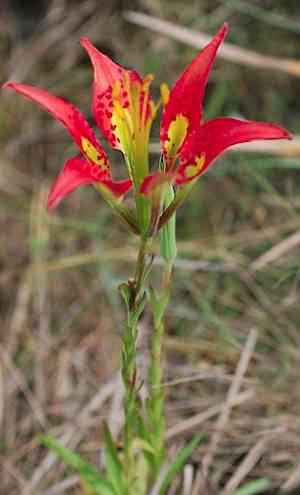
Pine lily (Lilium catesbaei)
Also known as: Catesby's lily, Pine lily
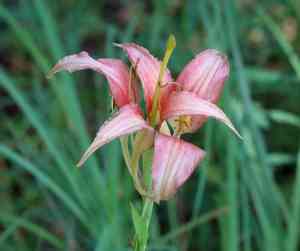
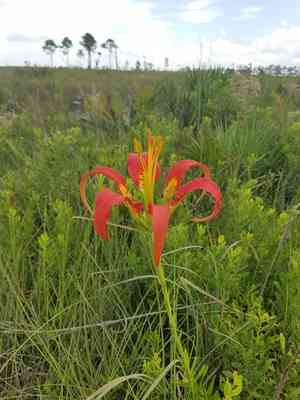
The Pine Lily (*Lilium catesbaei*) is a lily species native to the coastal regions of the southeastern United States. This plant thrives in hot, wet environments and acidic soil conditions. Notably, each stalk of the Pine Lily bears a single, spotted flower, which has earned it additional names such as Leopard Lily and Southern Red Lily.
In This Article
Attributes of Pine lily
Lifespan
Perennial
Plant Type
Herb
Plant Height
61 cm to 91 cm
Spread
30 cm to 60 cm
Leaf Color
Green
Flower Size
8 cm to 15 cm
Flower Color
Red Orange Yellow
Images of Pine lily
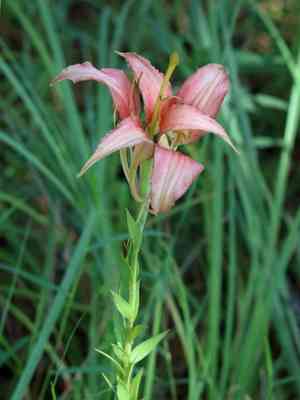
Quickly Identify Pine lily
1
Large orange blooms atop 2-3 ft (60-91 cm) stems in late summer.
2
Linear leaves emerging from bulb base, parallel venation pattern.
3
Distinctive elliptical seed capsule with papery texture for wind dispersal.
4
Slender, unbranched stem up to 3 ft (91 cm) with smooth texture.
5
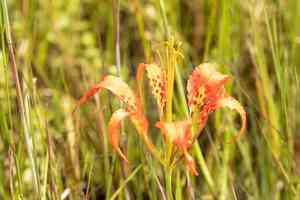
Orange flowers with reflexed petals, yellow-orange gradient, and purple specks.
Scientific Classification of Pine lily
Phylum
Vascular plants
Class
Monocotyledons
Order
Lilies, supplejacks and allies
Family
Lily
Genus
Lilies
Species
Pine lily
Planting and Growing of Pine lily
Care Difficulty
Hard
Watering Schedule
Every 2 days
Sunlight Requirements
Full sun
Sunshine Duration
4-6 hours
Ideal Temperature
68-86℉
Soil Type
Potting Mix, Peat Mix
Soil pH
5-6.5
Fertilizer Type
Balanced
Pruning Season
Spring, Summer
Pruning Area
Branches, Leaves
Pruning Frequency
2 times a year
Repotting Season
Spring
Pot Type
Terracotta, Plastic
 How to Water Pine lily?
Lilium catesbaei, a delicate wildflower known as the Pine Lily, thrives when watered consistently but sparingly. It's best to provide about 250 ml of water each session, ensuring the top inch of soil is moist but not waterlogged. Allow the soil to dry out slightly between waterings to mimic its natural habitat.
What are the symptoms of an underwatered Pine lily?
›
What should I do if my Pine lily is not getting enough water?
›
What are the symptoms of an overwatered Pine lily?
›
How to save an overwatered Pine lily?
›
 What Are the Sunlight Requirements for Pine lily?
Lilium catesbaei appreciates partial to full sun exposure, ideally around 4 to 8 hours a day. Adequate sunlight enables strong flowering and overall plant health, reducing susceptibility to pests and diseases.
More About Sunlight Requirements Techniques→
What kind of light does Lilium catesbaei prefer?
›
How to achieve ideal lighting conditions for Lilium catesbaei?
›
What benefits does Lilium catesbaei gain from ideal lighting?
›
 What Is the Ideal Temperature Range for Pine lily?
The ideal temperature range for Lilium catesbaei, commonly known as the Catesbaei Lily, is between 68°F and 86°F. These temperatures provide optimal conditions for photosynthesis, root development, and flowering. Maintaining your plant in this range ensures healthy growth and vibrant blooms.
 What Soil is Best for Pine lily?
Lilium catesbaei thrives in well-drained sandy soils that prevent root rot. Ensuring excellent drainage mimics its natural habitat, supporting healthy root systems. This species prefers slightly acidic soil, as it enables optimal nutrient uptake. Maintaining a pH around 6.0 ensures that the plant can utilize nutrients effectively. Incorporating organic matter improves soil structure and moisture retention. Organic material adds vital nutrients, promoting vigorous growth and enhancing flower production.
 How to Fertilize Pine lily?
Lilium catesbaei thrives on minimal fertilization. An optimal amount involves using a diluted, balanced liquid fertilizer at half strength to prevent over-fertilization. For solid fertilizers, apply a thin layer around the plant, ensuring it does not touch the stems directly. Over-fertilization can be more harmful than under-fertilization.
 How to Prune Pine lily?
Identify and remove any dead or damaged stems. Look for brown or withered parts of the plant, cutting back to healthy foliage or a node to promote regrowth. After the flowering season, cut back faded blooms to maintain aesthetic appeal and prevent seed formation. This encourages the plant to conserve energy for the next bloom cycle.
More About Pruning Techniques→
 How to Propagate Pine lily plant?
1
Start by collecting ripe seeds from the pods. Gently clean them to remove any debris, and let them dry before planting. This step is crucial to ensure successful germination.
2
Fill the seed tray with a well-draining seed starting mix. Plant the seeds approximately 0.5 inches deep, and gently water them. Ensure there is adequate light and maintain a moist environment for germination.
3
Select healthy, non-flowering shoots. Cut below a node, around 4-6 inches in length. Dip the cut end in rooting hormone, and insert it into a pot filled with a soilless potting mix.
 How to Repot Pine lily plant?
1
Repot your Lilium catesbaei when you notice overcrowding in the pot, or when their roots start emerging from the drainage holes. These signals suggest that the plant has outgrown its current space. Typically, early spring, just before the growing season begins, is an ideal time to change their pot.
2
Select a pot that is just one size larger than the current one, with ample drainage holes. The right pot size ensures adequate space for root growth and helps prevent waterlogging, which is crucial for maintaining the plant's health. Additionally, a pot made of breathable material like terracotta can aid in moisture regulation.
3
Choose a well-draining acidic soil blend, rich in organic matter, which replicates its natural environment. This type of soil provides essential nutrients and encourages proper drainage, preventing root rot and allowing for healthy growth and blooming, catering to the plant's unique requirements.
Toxicity
Calcium oxalate ingestion
WARNING
The judgment on toxicity and danger is for reference only. We DO NOT GUARANTEE any accuracy of such judgment. Therefore, you SHALL NOT rely on such judgment. It is IMPORTANT TO SEEK PROFESSIONAL ADVICE in advance when necessary.
Learn More About Pine lily Diseases
Anthracnose
Bacterial Leaf Spot
Bacterial Soft Rot
Bacterial Wilt
Crown Gall
Cyst Nematode
Damping-off
Downy Mildew
Drought Stress
Fusarium Wilt
Gray Mold
Leaf Spot
Mosaic
Nutrient Deficiency
Nutrient Toxicity
Powdery Mildew
Root Rot
Root-knot Nematode
Rusts
Sooty Mold
Spider Mites
Temperature Stress
Thrips Damage
White Mold
Chemical Injury



