How to Transplant Bottle gourd?
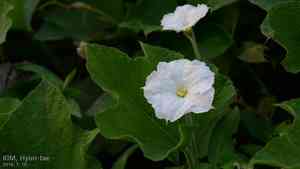
To achieve optimal outcomes, relocate bottle gourd during the prime period of early to late spring, which will guarantee peak development. Select a bright spot with soil that drains effectively, and if necessary, provide a structure for its climbing stems. Enjoy your gardening!
What Preparations are Needed Before Transplanting Bottle Gourd?
What is the Ideal Time for Transplanting Bottle Gourd?
The optimal period for relocating bottle gourd spans from early to late spring. This season, often described as 'spring's youthful phase transitioning to its mature peak', enables bottle gourd to fully benefit from extended daylight and rising temperatures, promoting robust development and a healthy beginning. Moving bottle gourd at this time will lead to a successful harvest, as the favorable spring climate supports its growth and maturation. Savor the satisfaction of an abundant yield thanks to timely transplanting!
How Much Space Should You Leave Between Bottle Gourd Plants?
When moving your bottle gourd, ensure proper spacing for healthy development. Aim for approximately 5-6 ft (1.5-1.8 m) between plants. This distance will provide ample room for the plants to expand and flourish!
What is the Best Soil Mix for Bottle Gourd Transplanting?
To create an optimal environment for your bottle gourd, utilize well-draining, fertile soil, ideally loam or sandy loam. Prior to transplanting, enrich the soil with organic matter such as compost or aged manure. Incorporate a balanced fertilizer, like 10-10-10 NPK, to support vigorous plant growth.
Where Should You Relocate Your Bottle Gourd?
Your bottle gourd will thrive best in a location with full sunlight, receiving at least 6-8 hours of direct sun daily. However, in warmer climates, a spot with light afternoon shade will also work well. Ensuring your plants get sufficient sunlight is vital for their success!
What Equipments Should You Prepare Before Transplantation Bottle Gourd?
Gardening Gloves
To protect your hands from soil and debris while handling the plant and earth.
Shovel or Garden Trowel
Essential for excavating holes in the ground for the bottle gourd.
Watering Can
Crucial for hydrating the plant during and after its relocation.
Mulch
To assist in retaining soil moisture around the plant following transplantation.
Garden Stakes
To offer necessary support for the vining bottle gourd plant.
How Do You Remove Bottle Gourd from the Soil?
How Do You Remove Bottle Gourd from the Soil?
From Ground: Start by gently watering the bottle gourd plant to moisten the soil. Next, using a shovel or spade, dig a trench around the plant. Ensure the plant's root ball remains undisturbed. Carefully lift the spade or shovel beneath the root ball to dislodge the plant from its original spot.From Pot: If the lagenaria is in a container, turn the pot on its side and tap it lightly to release the plant. Be cautious not to pull the plant forcefully to avoid root damage.From Seedling Tray: If the bottle gourd is emerging from a seedling tray, gently press the bottom of the cell until your seedling emerges. Make sure to handle the seedling by its leaves to prevent potential stem damage.
Step-by-Step Guide for Transplanting Bottle Gourd
Plant Hardening
Gradually acclimate the bottle gourd to outdoor conditions over a week, increasing its exposure to sunlight and fresh air each day.
Hole Preparation
Excavate a hole twice as wide and deep as the root ball. Once the hole is ready, water it thoroughly before placing the bottle gourd plant.
Placing the Plant
Carefully position the plant's root ball into the hole, ensuring it is at the correct depth. The top of the root ball should be level with or slightly below the soil surface.
Filling the Hole
Once satisfied with the bottle gourd plant's placement, backfill the hole with the soil you previously removed. Lightly compact to eliminate any air pockets.
Watering
Re-water your bottle gourd plant after it has been settled into the hole.
Staking
As bottle gourd is a vine, install stakes in the ground for support.
How Do You Care For Bottle Gourd After Transplanting?
Watering
Ensure the soil surrounding the bottle gourd plant remains consistently moist, but not waterlogged. You must prevent both insufficient and excessive watering of the plant.
Weed Control
Regularly remove weeds from the area around the plant. Uncontrolled weed growth can lead to root competition, which is detrimental to your bottle gourd.
Inspect for Pests
Periodically check your plant for any indications of pests or disease. Early detection can avert harm to your bottle gourd.
Troubleshooting Common Issues with Bottle Gourd Transplantation.
When is the perfect time to transplant bottle gourd?
The optimal period for relocating bottle gourd extends from the beginning of spring until its conclusion.
How much spacing should I maintain while transplanting bottle gourd?
You should keep approximately 5-6 ft (1.5-1.8 m) distance between each bottle gourd plant to ensure ideal growth.
What is the suitable soil condition for transplanting bottle gourd?
Bottle gourd plants prefer soil that drains well. Ensure your soil has good drainage to prevent waterlogging, which can harm the roots.
Why are my transplanted bottle gourd wilting?
Wilting after transplanting could be due to transplant shock. Make sure to water your bottle gourd thoroughly, and keep it in partial sunlight for the initial few days.
How deep should the hole be for transplanting bottle gourd?
The planting hole should be deep enough to accommodate the entire root ball of bottle gourd. A depth of about 10 inches (25 cm) is ideal.
My transplanted bottle gourd isn't flowering. What could be the problem?
Ensure that your bottle gourd is receiving adequate sunlight and proper nutrients. A deficiency in either could impact its blooming.
Can bottle gourd be transplanted in containers?
Absolutely! Bottle gourd can flourish in containers, just ensure they're sufficiently large to support their growth and consider the spacing requirements.
How often should I water transplanted bottle gourd?
Bottle gourd requires consistent moisture, but avoid overwatering. Once the soil surface appears dry, that's your cue to water them again.
Should I fertilize bottle gourd after transplanting?
Yes, bottle gourd benefits from regular feeding after transplant. Select a balanced fertilizer and adhere to the manufacturer's instructions for application.
Is it normal for bottle gourd leaves to turn yellow after transplanting?
Yellowing leaves might indicate water stress or a nutrient deficiency. Ensure bottle gourd receives regular water and nutrients.



