How to Transplant Golden-rain tree?
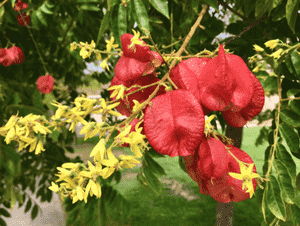
The Golden-rain tree flourishes most effectively when relocated between early and late spring or early and late winter, providing its root system sufficient opportunity to settle prior to severe weather conditions. Select bright spots featuring soil that drains efficiently, guaranteeing the specimen obtains ample sunlight and hydration.
What Preparations are Needed Before Transplanting Golden-rain Tree?
What is the Ideal Time for Transplanting Golden-rain Tree?
Golden-rain tree, a perennial plant, flourishes when moved from early to late spring or winter. These periods minimize stress due to dormant growth and milder temperatures, fostering strong root development. Transplanting during these times boosts survival rates and supports vigorous flowering in the subsequent growing season, perfectly aligning with golden-rain tree's natural cycle.
How Much Space Should You Leave Between Golden-rain Tree Plants?
Ensure each golden-rain tree is planted 20-30 feet (6-9 meters) apart to provide ample room for growth and prevent overcrowding.
What is the Best Soil Mix for Golden-rain Tree Transplanting?
Prepare well-draining soil enriched with organic compost. A slightly acidic to neutral pH is optimal. Incorporating a balanced slow-release fertilizer as a base will help golden-rain tree establish itself effectively.
Where Should You Relocate Your Golden-rain Tree?
Select a location that receives full sun, meaning at least 6 hours of direct sunlight daily. Golden-rain tree thrives in sunny spots and will perform best there.
What Equipments Should You Prepare Before Transplantation Golden-rain Tree?
Gardening Gloves
To safeguard your hands while handling soil and the plant.
Shovel or Spade
For excavating the hole and trench around the plant.
Watering Can or Hose
To hydrate the plant before removal and after relocation.
Gardening Fork
To gently loosen the soil around the plant without harming its roots.
Wheelbarrow or Tarp
To transport the plant from its original spot to the new location.
Pruning Shears
To trim any damaged or excessively long roots during the transplanting process.
Stakes and Ties
To provide support for the plant in its new position, if required.
How Do You Remove Golden-rain Tree from the Soil?
How Do You Remove Golden-rain Tree from the Soil?
From Ground: First, water the golden-rain tree to moisten the soil. Then, dig a wide trench around the plant using a shovel or spade, ensuring the plant's root ball remains intact. Carefully work the spade beneath the root ball to lift the plant from its original spot.From Pot: Water the golden-rain tree thoroughly. Gently lay the pot on its side and tap the edges to loosen the soil. Carefully slide the plant out, supporting the root ball with your hand.From Seedling Tray: Water the seedlings well. Use a gardening fork to gently lift each golden-rain tree from the tray, taking care not to damage the delicate roots.
Step-by-Step Guide for Transplanting Golden-rain Tree
Prepare New Site
Excavate a hole that is twice as wide and equally deep as the golden-rain tree's root ball. Ensure the hole drains well and amend the soil if necessary.
Remove Plant
Following the appropriate removal method for ground, pot, or seedling tray, carefully extract the golden-rain tree.
Transfer Plant
Position the golden-rain tree in the prepared hole, ensuring the root ball is level with the surrounding ground.
Backfill
Refill the hole with soil, pressing gently to eliminate air pockets around the roots. Water the plant thoroughly after backfilling.
Mulching
Apply a layer of mulch around the plant's base to retain moisture and regulate soil temperature.
Staking
If the golden-rain tree is tall or situated in a windy area, use stakes and ties to offer support until the roots are established.
How Do You Care For Golden-rain Tree After Transplanting?
Watering
Keep the soil around the golden-rain tree consistently moist, but not waterlogged, for the initial weeks post-transplant to aid in strong root development.
Monitoring
Regularly inspect the golden-rain tree for indications of stress, such as wilting or yellowing leaves, and adjust care as needed.
Pruning
Trim any damaged or dead branches to encourage new growth and maintain the plant's health.
Weeding
Keep the area surrounding the golden-rain tree free of weeds that could compete for water and nutrients.
Troubleshooting Common Issues with Golden-rain Tree Transplantation.
What is the best time to transplant golden-rain tree?
Relocate golden-rain tree from early spring to late spring or early winter to late winter.
How far apart should I space golden-rain tree plants?
Space golden-rain tree plants 20-30 feet (6-9 meters) apart to allow for adequate growth.
How deep should the planting hole be for golden-rain tree?
The planting hole should be as deep and twice as wide as the root ball.
What type of soil is best for golden-rain tree?
Golden-rain tree thrives in well-drained, fertile soil. Enhance soil with organic matter if necessary.
Should I water golden-rain tree immediately after transplanting?
Yes, water golden-rain tree thoroughly after planting to settle the soil and remove air pockets.
How do I prepare golden-rain tree before transplanting?
Prune damaged roots and immerse the root ball in water for a few hours beforehand.
What should I do if golden-rain tree shows transplant shock?
Maintain consistent soil moisture, mulch around the base, and avoid direct sunlight exposure.
Do I need to fertilize golden-rain tree after transplanting?
Wait until golden-rain tree exhibits new growth before fertilizing. Use a balanced, slow-release fertilizer.
How can I support golden-rain tree after transplanting?
Use stakes to support golden-rain tree, but ensure they're removed once the tree has stabilized.
Is it essential to mulch around golden-rain tree after transplanting?
Yes, mulch helps retain moisture and regulate soil temperature. Use 2-3 inches (5-7.5 cm) of mulch.



