How to Transplant Guest tree?
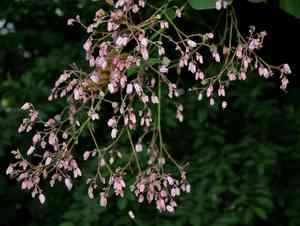
It is advisable to move the guest tree during the vigorous growth period of mid-to-late spring, facilitating a seamless adjustment. Select a location that receives ample sunlight and possesses soil with good drainage. Should it be necessary, incorporate organic material to enhance the site, assisting the guest tree's adaptation.
What Preparations are Needed Before Transplanting Guest Tree?
What is the Ideal Time for Transplanting Guest Tree?
Relocating guest tree is best performed in the middle of spring, once consistent growth resumes. During this period, guest tree's root system recovers rapidly, ensuring a smooth transition to its new location. Selecting this timeframe utilizes the season's mild climate, fostering strong root establishment prior to summer's heat. The favorable spring season isn't just about fresh starts; it's also the prime moment for guest tree to flourish post-transplant, benefiting from extended daylight hours and moderate temperatures.
How Much Space Should You Leave Between Guest Tree Plants?
When moving your guest tree, ensure sufficient room for each plant (up to 10-15 feet or 3-4.5 meters) to allow them to grow unhindered and absorb nutrients equally. This will guarantee their healthy development.
What is the Best Soil Mix for Guest Tree Transplanting?
For your guest tree, a well-draining, fertile soil is optimal. Incorporating some foundational fertilizer, such as compost or aged manure, will enrich your soil's nutrients and provide a robust beginning for your plants.
Where Should You Relocate Your Guest Tree?
Your guest tree will flourish best in a sunny spot with partial shade. Ensure the location receives sunlight for at least 6 hours daily for optimal development. Avoid areas with dense shade or full sun exposure. Happy planting!
What Equipments Should You Prepare Before Transplantation Guest Tree?
Gardening Gloves
To safeguard your hands while handling soil and the spreading roots of guest tree.
Shovel or Spade
To aid in digging into the ground and carefully extracting the plant from its initial spot.
Garden Trowel
To assist with smaller, precise digging tasks.
Watering Can or Hose
For hydrating the plant before and after relocation.
Root Pruning Shears
To trim any damaged or diseased roots during the transplanting process.
Wheelbarrow
To move the plant from its original position to the new site, especially if the plant is larger and heavier.
Compost
To supply the guest tree plant with essential nutrients for its regrowth and survival in the new environment.
How Do You Remove Guest Tree from the Soil?
How Do You Remove Guest Tree from the Soil?
From Ground: Start by thoroughly watering the guest tree plant to moisten the soil. Use your shovel to dig a wide trench around the plant, being careful not to cut into the plant's root system. Gradually work the spade beneath the root ball, evenly lifting the plant from the ground, keeping the root ball intact.From Pot: If the plant is in a pot, try to keep the root ball undisturbed as much as possible. Tilt the pot sideways, and gently pull out the plant, supporting the base. If the plant is stuck, tap the sides and bottom of the pot to loosen it, rather than yanking on the stem.From Seedling Tray: Lightly water the trays before beginning the transplantation. Carefully separate the seedlings as much as possible without causing harm. Lift each plant by its true leaves, not the stem, and carefully remove it from the tray.
Step-by-Step Guide for Transplanting Guest Tree
Prep Time
Ensure you transplant your guest tree when the plant is inactive, ideally in early spring. This provides it with a better chance of surviving and thriving in its new surroundings.
Hole Preparation
Dig a hole in the chosen spot twice as wide and as deep as the root ball of the guest tree plant. The interior of the hole should be rough, not smooth, to allow the roots to penetrate the soil.
Plant Positioning
Place the plant in the hole, ensuring it sits at the same depth as it was in its original location, with the root ball resting flat on the bottom.
Backfilling
Fill the hole with compost or soil, making sure there are no air pockets. Gently press the soil around the base of the plant.
Watering and Monitoring
Water the plant immediately after transplanting. It is crucial to observe it closely for the first few weeks as it adapts to the new environment.
How Do You Care For Guest Tree After Transplanting?
Watering
It’s essential to provide the newly transplanted guest tree with adequate water. Ensure you water deeply, allowing the water to reach the root zone and help it establish firmly. Keep the soil moist but not waterlogged.
Pruning
Trim any wilting leaves or branches from the guest tree plant, a week after transplanting. This helps the plant to focus its energy on root system development and new growth.
Disease Control
Inspect the guest tree plant regularly for signs of pests or disease. Use eco-friendly pest control methods if necessary, to help your plant grow healthily.
Seasonal Care
In winter, ensure that guest tree has enough mulch around its base to protect it from freezing conditions.
Troubleshooting Common Issues with Guest Tree Transplantation.
What's the best time of year to transplant guest tree?
The optimal season to transplant guest tree is during the mid to late growing stage, often referred to as S2-S3.
How much space should be there between two guest tree while transplanting?
When transplanting, ensure guest tree is given ample room to grow by maintaining a space of 10-15 feet (3-4.5 meters) between each plant.
What are the indications that guest tree is ready for transplanting?
Guest tree is prepared for transplanting when it has developed a robust root system and exhibits new growth on its stems.
How deep should I plant guest tree when transplanting?
The roots of guest tree should be entirely covered by soil, but the stem's collar must remain above the soil surface.
Should I water guest tree immediately after transplanting?
Yes, watering ensures the plant's roots establish contact with fresh soil and helps guest tree to settle into its new environment quickly.
Am I allowed to trim guest tree during the transplanting process?
Yes, you can. Pruning older, larger branches helps guest tree focus its energy on developing new roots post-transplant.
Is it necessary to add fertilizers during the transplantation of guest tree?
It's not critical right away, but adding a slow-release fertilizer a few weeks post-transplant can provide guest tree with essential nutrients for growth.
What type of soil is best for transplanting guest tree?
Guest tree thrives best in well-draining soil with a neutral to slightly acidic pH. Ensure the soil is rich in organic matter.
What's the correct technique to remove guest tree for transplantation?
Gently ease guest tree out from its container, ensuring not to disturb the roots. If the plant is stuck, invert the pot and tap the rim lightly.
How should I care for guest tree after transplanting?
Ensure guest tree receives ample water and light, protect it from harsh weather conditions, and remember to check periodically for pests or diseases.



