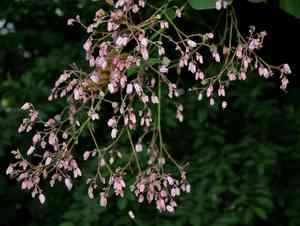
Guest tree (Kleinhovia hospita)
Also known as: Bataria teak, Tree antigonon, Temahau
The ghost tree, the sole species of its genus, is an evergreen tree often cultivated for ornamental purposes, primarily due to its unique, smooth, white bark that gives it a ghostly allure. Its name, "ghost tree," comes from its presence near riverside communities known for their warm hospitality.
In This Article
Attributes of Guest tree
Lifespan
Perennial
Plant Type
Tree
Plant Height
8 m to 15 m
Spread
5-10 meters
Leaf Color
Green
Flower Size
5 mm
Flower Color
Pink White
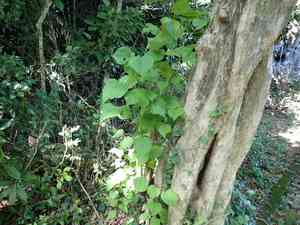
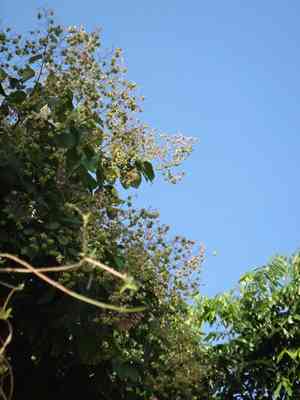
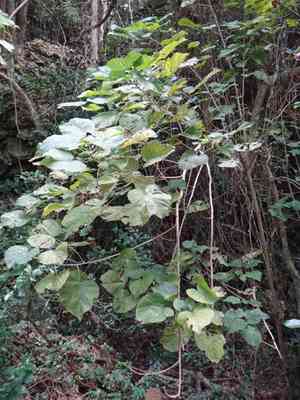
Images of Guest tree
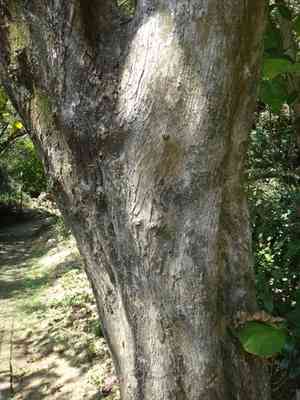
Quickly Identify Guest tree
1
Identify Kleinhovia hospita by its large, heart-shaped leaves, pink flowers arranged in panicles, and inflated, papery fruit capsules.
Scientific Classification of Guest tree
Phylum
Vascular plants
Class
Dicotyledons
Order
Malvales
Family
Mallow
Genus
Kleinhovia
Species
Guest tree
Planting and Growing of Guest tree
Care Difficulty
Easy
Watering Schedule
Every 4 days
Sunlight Requirements
Partial sun
Sunshine Duration
6-8 hours
Ideal Temperature
68-86℉
Soil Type
Potting Mix, Peat Mix
Soil pH
6.5-7.5
Fertilizer Type
Balanced
Pruning Season
Spring, Summer
Pruning Area
Branches, Leaves
Pruning Frequency
2 times a year
Repotting Season
Spring
Pot Type
Plastic, Ceramic
 How to Water Guest tree?
Water Kleinhovia hospita thoroughly so that the water reaches the deeper root zones. The soil should be evenly moist but not waterlogged. Allow the top inch of soil to dry out between waterings, ensuring the roots get sufficient hydration without being submerged in water. The plant requires about 500 milliliters per session, adjusting as needed depending on factors like pot size, humidity, and temperature.
What are the symptoms of an underwatered Guest tree?
›
What should I do if my Guest tree is not getting enough water?
›
What are the symptoms of an overwatered Guest tree?
›
How to save an overwatered Guest tree?
›
 What Are the Sunlight Requirements for Guest tree?
Kleinhovia hospita should ideally be placed in a setting offering partial sunlight, balancing exposure to both direct and indirect light, simulating its natural bright understory conditions. This aids in its healthy growth and flowering.
More About Sunlight Requirements Techniques→
What is the optimal sunlight for Kleinhovia hospita?
›
How to achieve ideal sunlight conditions for Kleinhovia hospita?
›
What benefits does ideal lighting bring to Kleinhovia hospita?
›
 What Is the Ideal Temperature Range for Guest tree?
The ideal temperature range for Kleinhovia hospita is between 68°F and 86°F. This tropical plant thrives in warmer climates where it can receive adequate heat and light. Providing this specific temperature range ensures optimal growth and health, as it closely mimics its natural habitat conditions. Maintaining these temperatures helps in preventing stress and promoting lush foliage.
 What Soil is Best for Guest tree?
Kleinhovia hospita thrives in well-drained soil to prevent root rot and promote healthy root development. This condition ensures that excess water does not linger in the soil, which is crucial for avoiding waterlogging and associated plant diseases. Rich, fertile soil provides essential nutrients for the growth and development of Kleinhovia hospita, aiding in lush foliage and vibrant blooms. Amending the soil with organic matter can enhance its fertility, benefiting the plant’s overall vitality. Maintaining moderate moisture levels in the soil helps Kleinhovia hospita stay hydrated without being subjected to drought stress or waterlogging. Regular watering should ensure the soil is moist but not overly saturated, supporting healthy plant growth.
 How to Fertilize Guest tree?
For Kleinhovia hospita, it’s crucial to ensure that you do not over-apply the fertilizer. A moderate dose of liquid fertilizer—half the suggested concentration by the manufacturer—is optimal. Use approximately 200ml of diluted liquid fertilizer per application. For slow-release granular options, about 50 grams sprinkled evenly around the base of the plant is ideal.
 How to Prune Guest tree?
Before starting, take a step back to observe the overall shape and size of your Kleinhovia hospita. Identify any undesirable growth, such as crossing branches or uneven foliage, to ensure a balanced structure. Begin by cutting away any dead, damaged, or diseased branches to prevent the spread of fungi or pests. Cut back to healthy wood, ideally just above a bud or node. Trim the plant for symmetry, cutting back excessive growth that disrupts the desired shape. This step encourages a compact and attractive form while ensuring light penetrates the interior branches. For each cut, position your shears at a 45-degree angle, making sharp, clean cuts to minimize damage. This technique promotes faster healing and reduces the risk of infection.
More About Pruning Techniques→
 How to Propagate Guest tree plant?
1
Collect seeds from mature fruits of Kleinhovia hospita. Ensure the seeds are fully matured to increase germination rates.
2
Cut 10-15 cm long shoots from a healthy plant using sterilized shears. Remove the lower leaves to prevent them from rotting when placed in soil.
3
Plant seeds or cuttings in a well-draining soil mix. Water gently and maintain slight moisture without over-watering to encourage root development.
 How to Repot Guest tree plant?
1
Repot Kleinhovia hospita when roots outgrow the pot's drainage holes. Another signal is slow growth despite regular care, suggesting the plant needs more room. Spring or early summer is optimal, as active growth helps recovery.
2
Select a pot that is 1 to 2 inches larger in diameter than the current one. Ensure it has good drainage holes to prevent waterlogging, which can cause root rot. The right size gives roots space to grow, benefiting the plant's overall health.
3
Opt for a well-draining loamy soil mix, enriched with organic matter. This provides necessary nutrients and avoids water accumulation, which promotes healthier root development and encourages robust plant growth.
Learn More About Guest tree Diseases
Anthracnose
Bacterial Leaf Spot
Bacterial Soft Rot
Bacterial Wilt
Black Spot
Chemical Injury
Crown Gall
Cyst Nematode
Damping-off
Downy Mildew
Drought Stress
Fusarium Wilt
Gray Mold
Leaf Curl
Leaf Spot
Mosaic
Nutrient Deficiency
Nutrient Toxicity
Powdery Mildew
Root Rot
Root-knot Nematode
Rusts
Sooty Mold
Spider Mites
Temperature Stress
Thrips Damage
White Mold



