How to Transplant Millot kalanchoe?
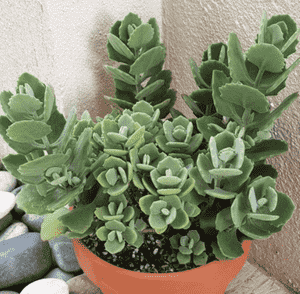
The optimal period for relocating millot kalanchoe spans from early to late summer, or from late autumn to mid-winter, due to favorable conditions for root establishment. Select a site featuring soil that drains effectively and receives ample, diffused light. To ensure successful transplantation, prevent excessive moisture and carefully compact the earth surrounding the specimen.
What Preparations are Needed Before Transplanting Millot Kalanchoe?
What is the Ideal Time for Transplanting Millot Kalanchoe?
The optimal period for relocating millot kalanchoe spans from early summer to late summer, or from early autumn to mid-winter. During these intervals, the plant experiences favorable conditions for root development. Transplanting within these times enhances millot kalanchoe's potential for abundant blooms. Remember, proper timing significantly boosts millot kalanchoe's overall growth and survival prospects.
How Much Space Should You Leave Between Millot Kalanchoe Plants?
When moving your millot kalanchoe, ensure they are spaced approximately 6-8 inches (15-20 cm) apart. This provides ample room for their growth and flourishing.
What is the Best Soil Mix for Millot Kalanchoe Transplanting?
Prepare a well-draining soil blend for your millot kalanchoe, ideally a combination of loamy and sandy soil. Enrich the soil with a slow-release, balanced fertilizer to supply essential nutrients.
Where Should You Relocate Your Millot Kalanchoe?
Select a spot for your millot kalanchoe that receives bright, indirect sunlight. Avoid areas with direct sun to prevent leaf scorching and promote healthy development.
What Equipments Should You Prepare Before Transplantation Millot Kalanchoe?
Gardening Gloves
To safeguard your hands while handling soil and the plant.
Shovel or Garden Trowel
For excavating holes, loosening soil, and lifting the millot kalanchoe plant.
Watering Can or Hose
To hydrate the millot kalanchoe plant during its removal and replanting.
Pruner or Scissors
To trim any damaged roots during the transplanting process.
Measuring Tape
To ensure correct spacing between individual plants.
Garden Stakes or Markers
To label and identify the millot kalanchoe plants if necessary.
How Do You Remove Millot Kalanchoe from the Soil?
How Do You Remove Millot Kalanchoe from the Soil?
From Ground: First, moisten the millot kalanchoe plant's soil. Then, dig a wide trench around the plant using a shovel or spade, ensuring the root ball remains intact. Carefully work the spade beneath the root ball to lift the plant from its original spot.From Pot: Hydrate the potted millot kalanchoe plant before removal to facilitate the process. Invert the pot while supporting the plant's base with your other hand. Gently tap the pot's bottom to ease the root ball out of the container.From Seedling Tray: Wait until the millot kalanchoe plant develops a few true leaf sets before transplanting. Gently push the seedling out of the tray from the bottom or use a small tool like a pencil to lift each seedling.
Step-by-Step Guide for Transplanting Millot Kalanchoe
Removal
Follow the appropriate extraction method described above, depending on whether your millot kalanchoe plant is in the ground, a container, or a seedling tray.
Prepare the Hole
Excavate a suitably sized hole in the chosen location. The hole should be deep enough to accommodate the millot kalanchoe plant's entire root system and twice its width.
Root Trimming
Use a pruner or scissors to snip any damaged or excessively long roots, encouraging healthy growth after transplantation.
Placement
Gently position the millot kalanchoe plant into the hole, ensuring roots are unconstrained and spread out. Place the plant so its base is level with the surrounding soil.
Filling the Hole
Carefully backfill the hole with soil, lightly compacting it around the plant's base to eliminate air pockets. Provide adequate support without excessive compression.
Watering
Thoroughly water the newly transplanted millot kalanchoe plant to help settle the soil and establish its roots. Avoid overwatering, as this can lead to root rot.
How Do You Care For Millot Kalanchoe After Transplanting?
Watering
Keep the soil around the millot kalanchoe consistently damp, but not waterlogged, for the initial weeks post-transplant to aid in developing strong roots.
Pruning
Regularly remove any dead or damaged leaves to promote vigorous, bushy growth.
Pest Control
Monitor the millot kalanchoe for common pests such as mealybugs and spider mites, treating any infestations promptly with insecticidal soap or neem oil as directed.
Humidity
Maintain appropriate humidity levels, offering occasional misting to replicate their natural habitat.
Repotting
As the millot kalanchoe matures, it may require repotting into a larger container to accommodate its size. Ensure fresh soil and adequate drainage for healthy development.
Troubleshooting Common Issues with Millot Kalanchoe Transplantation.
When is the best time to transplant millot kalanchoe?
The optimal period for relocating millot kalanchoe is from early to late summer, or from late autumn to mid-winter. This provides your plant with the best chance for success.
How far apart should I transplant millot kalanchoe?
It's advisable to space millot kalanchoe approximately 6-8 inches (15-20 cm) apart. This gives each plant sufficient room to grow without competing for nutrients and light.
How do I prepare the soil for millot kalanchoe transplant?
Before transplanting, ensure the soil is loose, well-draining, and rich in nutrients. Millot kalanchoe thrives in well-aerated soil. You can enhance drainage by adding perlite or sand.
Do I need to water millot kalanchoe before transplanting?
Yes, provide millot kalanchoe with a moderate drink before transplanting. This helps reduce stress on the plant and ensures a smoother transition to its new environment.
Why does my transplanted millot kalanchoe look wilted?
If your millot kalanchoe appears wilted, it might be experiencing transplant shock. Try reducing sun exposure and maintain a consistent watering schedule until the plant recovers.
How deep should the hole be for transplanting millot kalanchoe?
The hole should be deep enough to fully encompass the root ball of millot kalanchoe. Typically, this is about the height of the pot it was previously growing in.
Should I prune millot kalanchoe before transplanting?
It's not essential, but light pruning of millot kalanchoe can lessen the energy it needs to establish itself in its new location. However, avoid heavy pruning to prevent stress.
What type of container or pot suits best for millot kalanchoe?
A pot with an effective drainage system is ideal for millot kalanchoe as it prevents root rot. Opt for clay or ceramic pots as these allow the soil to breathe well.
How long will it take for my transplanted millot kalanchoe to settle?
Typically, it takes about 2-3 weeks for millot kalanchoe to overcome transplant shock. However, its recovery speed also depends on care and environmental conditions.
Is it normal for millot kalanchoe to drop leaves after transplanting?
Some leaf shedding is normal as millot kalanchoe adapts to its new surroundings. If the shedding persists or worsens, check for watering issues or signs of disease.



