How to Transplant Mother of thousands?
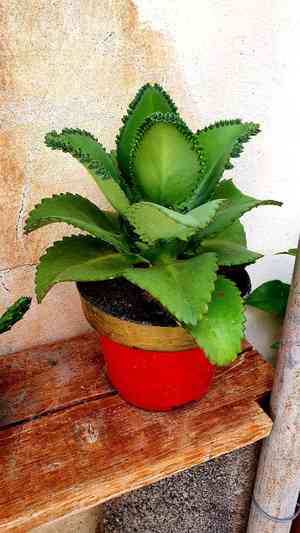
For mother of thousands, the peak of heat, or summer, presents an ideal transplanting scenario. Confirm a bright spot with sufficient drainage. Stimulating root development during this period encourages vigorous expansion. A gentle reminderâhandle with tenderness, these young plants thrive with attention.
What Preparations are Needed Before Transplanting Mother Of Thousands?
What is the Ideal Time for Transplanting Mother Of Thousands?
The peak of the warm season is an optimal period for relocating mother of thousands, ensuring robust development. Moving mother of thousands during this time guarantees a smooth transition, allowing for strong root establishment and recovery prior to colder weather. Embrace the season's warmth and provide mother of thousands a fresh start!
How Much Space Should You Leave Between Mother Of Thousands Plants?
Ensure to provide your mother of thousands ample room for growth. Position each transplant approximately 1-2 feet (30.5-61 cm) apart from one another. This facilitates air circulation, minimizing disease risk while fostering healthy development.
What is the Best Soil Mix for Mother Of Thousands Transplanting?
For optimal outcomes, select a soil that is permeable and rich in organic matter. You will also need to fertilize it. Consider a general-purpose granular fertilizer to commence your mother of thousands's new journey in the garden.
Where Should You Relocate Your Mother Of Thousands?
Placement is crucial! Your mother of thousands will flourish in direct sunlight. It is best to select a spot where it will receive about 6 hours of sunlight daily. However, be aware that it requires some shade during the hottest part of the day.
What Equipments Should You Prepare Before Transplantation Mother Of Thousands?
Gardening Gloves
To safeguard your hands while handling the plant and soil.
Shovel or Trowel
A tool utilized for excavating, applying, smoothing, or transferring small quantities of viscous or granular material.
Hand Pruner
To trim away any damaged or diseased roots.
Gardening Scissors
For snipping off any dead foliage or stems.
Watering Can
To hydrate the plant after it has been relocated.
Compost
To supply the plant with essential nutrients for growth.
Mulch
To assist the plant in retaining soil moisture after its transplantation.
Gardening fork
To aid in loosening the soil beneath the root ball.
How Do You Remove Mother Of Thousands from the Soil?
How Do You Remove Mother Of Thousands from the Soil?
From Ground: First, irrigate the mother of thousands plant to moisten the soil and facilitate easier excavation. Use a shovel or garden fork to dig a wide circle around the plant, ensuring to get beneath the root ball. Carefully lift the plant and shake off any excess soil. Use hand pruners to trim away any damaged or elongated roots.From Pot: Water the plant thoroughly, then turn the pot sideways, gently hold the plant by its stems or leaves, tap the base of its container until the plant slides out. If the roots are tightly coiled, try gently loosening them with your hands.From Seedling Tray: Handle the mother of thousands delicately by its leaves, not its stem. Use a dibber or a chopstick to gently extract the seedling with its roots and minimal soil attached. Handle the seedling by its leaves and never by its stem, as the stem is more susceptible to damage.
Step-by-Step Guide for Transplanting Mother Of Thousands
Inspect the Plant
Examine the plant for any indications of disease or pests. Remove any yellow or deceased leaves or branches.
Prepare the New Spot
Ensure the planting location is ready and excavated to an adequate depth, approximately twice the size of the root ball. Add compost to the hole and then place the mother of thousands into the hole.
Planting
Position the mother of thousands in the center of the hole. The top of the root ball should be level with or slightly below the ground surface. Fill in and around the plant with soil, gently firming it.
Watering
Water the mother of thousands thoroughly after the transplant is completed. Aim to keep the soil moist but not waterlogged.
Apply Mulch
Add a layer of mulch around the plant. This will help the soil retain moisture.
How Do You Care For Mother Of Thousands After Transplanting?
Maintenance
Regularly inspect the mother of thousands for any signs of diseases or pests. Promptly trim away any dead or yellow leaves to maintain the plant's health.
Watering
Initially, the plant may require more water. Ensure that the soil remains moist, but be cautious about overwatering.
Pruning
Trim any growth that appears weak or leggy; this encourages the mother of thousands to develop a bushier form.
Relocation
If the mother of thousands does not appear to thrive in its new location, consider moving it to a different spot. Sometimes a minor adjustment in light levels can make a significant difference.
Frost Care
As mother of thousands is sensitive to frost, bring it indoors during frost-prone months or provide a protective covering for the plant when frost or snow is anticipated.
Troubleshooting Common Issues with Mother Of Thousands Transplantation.
What's the best season to transplant mother of thousands?
The optimal period to relocate mother of thousands is during late spring to early summer (S4-S6). This provides ample time for it to establish before colder weather arrives.
How far apart should I space my mother of thousands plants when transplanting?
Ensure you space mother of thousands plants approximately 1-2 feet (30-61 cm) apart. This provides sufficient room for growth and air circulation, limiting the risk of disease transmission.
What kind of soil should I use for mother of thousands when transplanting?
Mother of thousands thrives in well-draining soil. Select a light, porous, and nutrient-rich soil mix that allows the roots to breathe and absorb water efficiently.
What's the best depth to plant the mother of thousands during transplanting?
Place mother of thousands in the hole so that its root ball is level with or slightly below the soil surface. This promotes healthy root establishment and growth.
What is the ideal container size for transplanting mother of thousands?
Choose a container that is one size larger than its current pot. It should be deep enough for roots to spread, approximately 10 inches (25 cm) in diameter.
Should I water mother of thousands immediately after transplanting?
Yes, water mother of thousands thoroughly right after transplanting to reduce transplant shock. However, avoid overwatering as it can lead to root rot.
How can I minimise transplant shock in mother of thousands?
To reduce transplant shock, try to transplant on a cool, overcast day. Then, keep mother of thousands in a shaded, stable environment for a couple of days post-transplant.
What if my mother of thousands shows signs of wilting after transplanting?
Some wilting is normal after relocating mother of thousands. Keep the plant hydrated and in partial shade. However, prolonged wilting could indicate overwatering or root damage.
What type of fertilizer should I use when transplanting mother of thousands?
After transplanting mother of thousands, use a balanced, slow-release fertilizer. Wait two to four weeks before applying to avoid burning the newly transplanted roots.
Why is the tip of my mother of thousands turning brown after transplanting?
Browning tips can be due to insufficient humidity, underwatering, or fertilizer burn. Adjust the environmental conditions and check your watering and feeding regimen.



