How to Transplant Mexican honeysuckle?
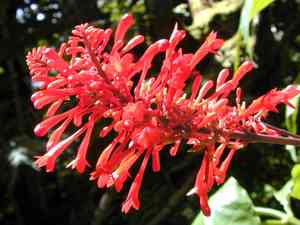
Relocating mexican honeysuckle achieves optimal outcomes between late spring and mid-summer, given that the elevated temperatures foster root growth. Place mexican honeysuckle in an area with good drainage, ensuring ample spacing. Be sure to provide regular watering, which aids mexican honeysuckle in settling into its new environment.
What Preparations are Needed Before Transplanting Mexican Honeysuckle?
What is the Ideal Time for Transplanting Mexican Honeysuckle?
The best time to relocate mexican honeysuckle is during the pleasant period from late spring to mid-summer. This allows mexican honeysuckle ample opportunity to settle and establish roots before colder weather arrives. Your mexican honeysuckle will truly flourish, offering a beautiful display annually when planted at this time. This transplant timing ensures a strong plant ready to impress. Give it a try, it will be rewarding!
How Much Space Should You Leave Between Mexican Honeysuckle Plants?
When moving mexican honeysuckle, ensure they are spaced approximately 12-18 inches (30-45 cm) apart. This provides each plant sufficient room to develop and thrive.
What is the Best Soil Mix for Mexican Honeysuckle Transplanting?
Prior to relocating mexican honeysuckle, prepare the soil using a well-draining, loamy or sandy mixture combined with a slow-release granular base fertilizer. This helps nourish your plant and encourages healthy development.
Where Should You Relocate Your Mexican Honeysuckle?
When choosing a new spot for mexican honeysuckle, select an area that gets full sun to partial shade. This plant loves sunlight and will thrive in such conditions.
What Equipments Should You Prepare Before Transplantation Mexican Honeysuckle?
Gardening Gloves
To safeguard your hands from thorns, sharp tools, and to help prevent skin irritation while handling the plant and soil.
Shovel or Spade
Used for excavating the hole, extracting the mexican honeysuckle plant from its original spot, and covering the root ball after relocation.
Watering Can or Hose with a gentle spray option
To moisten the soil before and after moving the mexican honeysuckle.
Garden Trowel
A small hand implement utilized for digging, applying, smoothing, or shifting small quantities of soil.
Pruning Shears
For trimming any unhealthy or excessive branches both before and after the transplanting process.
Wheelbarrow
To transport the mexican honeysuckle from its initial location to the new planting site.
How Do You Remove Mexican Honeysuckle from the Soil?
How Do You Remove Mexican Honeysuckle from the Soil?
From Ground: Water the mexican honeysuckle plant the day before to soften the earth. Dig a circle around the plant with a spade, leaving plenty of space to keep the roots undisturbed. Reach beneath the root ball and carefully lift the plant from the ground.From Pot: Water the mexican honeysuckle thoroughly before removal. Tilt the pot to one side and gently pull the pot on the other side to release the plant. If roots are stuck, use a trowel to loosen soil from the pot's sides, allowing the plant to slide out easily.From Seedling Tray: Fill a small pot with potting mix and create a hole for the seedling. Using a spoon or small trowel, scoop under the seedling, including its root system, to remove it from the tray. Do this gently to avoid harming the young plant.
Step-by-Step Guide for Transplanting Mexican Honeysuckle
Identifying the Transplant Site
Evaluate the specific requirements of mexican honeysuckle and locate a suitable spot to move the plant. It should fulfill the plant's needs regarding light, wind protection, and drainage.
Preparing the Hole
Excavate a hole twice the width and depth of the mexican honeysuckle's root ball using the shovel.
Inserting the Plant
Place the mexican honeysuckle plant into the hole, ensuring the top of the root ball is level with the surrounding soil. This aids the plant in absorbing water efficiently.
Backfilling the Hole
Refill the hole with soil, gently pressing around the plant's base to eliminate any air pockets.
Watering
After transplanting, gently water the area to ensure the soil settles properly. Avoid saturating the plant.
How Do You Care For Mexican Honeysuckle After Transplanting?
Watering
Water the mexican honeysuckle plant consistently after transplanting. Always keep the soil moist but be careful to prevent overwatering.
Pruning
Removing dead or dying branches promotes new growth and helps the plant direct its energy towards establishing new roots.
Pests and Diseases
Monitor for pests and diseases that might harm the mexican honeysuckle. If observed, address them immediately using suitable treatments.
Fertilizing
Wait at least one month before applying any fertilizer to avoid damaging the newly transplanted mexican honeysuckle.
Mulching
Apply a layer of mulch around the base of mexican honeysuckle to help retain moisture and reduce weed growth.
Troubleshooting Common Issues with Mexican Honeysuckle Transplantation.
When is the best time to transplant mexican honeysuckle?
The optimal period for relocating mexican honeysuckle is from late spring to mid-summer, as this coincides with the plant's peak growth.
What spacing should I maintain while transplanting mexican honeysuckle?
You should maintain at least 12-18 inches (30-45 cm) between each mexican honeysuckle when transplanting, allowing ample room for growth.
What type of soil should I use for transplanting mexican honeysuckle?
Mexican honeysuckle prefers soil that drains well. A mixture of garden soil, compost, and sand can provide the correct balance of nutrients and proper drainage.
How deep should I dig a hole when transplanting mexican honeysuckle?
Dig a hole twice the width and depth of the pot or root ball. The plant should be positioned level with or slightly above the surrounding soil.
Why are the leaves of my transplanted mexican honeysuckle wilting?
Wilting after transplanting can indicate transplant shock. Keeping the soil moist and providing shade can lessen stress on the plant.
What is the watering schedule for a newly transplanted mexican honeysuckle?
Initially, you should water the transplanted mexican honeysuckle daily. After a week, reduce watering to once or twice weekly, depending on climatic conditions.
How should I prepare the roots for transplanting mexican honeysuckle?
Before moving, thoroughly water the plant. If from a pot, gently loosen the roots. For dug-up plants, retain as much soil around the roots as possible.
Is it necessary to use fertilizer when transplanting mexican honeysuckle?
Yes, use a mild, organic fertilizer during transplanting. This promotes the growth of mexican honeysuckle by supplying essential nutrients.
What post-transplant care is required for mexican honeysuckle?
After transplanting, shield the plant from direct sun and strong winds for a few days. Ensure the plant receives sufficient water, but avoid overwatering.
Why is my transplanted mexican honeysuckle not growing?
Possible reasons include insufficient light, over or under-watering, nutrient deficiency, or inadequate space for root development. Check these conditions for your mexican honeysuckle.



