How to Transplant Shrimp plant?
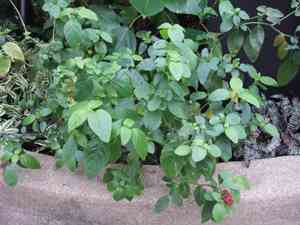
Relocate shrimp plant optimally from early to mid-summer or from late autumn to mid-winter, as this period leverages elevated soil warmth and humidity. Select a site offering filtered sunlight and soil that drains effectively. During the relocation process, be sure to gently manage the fragile root system to prevent stress.
What Preparations are Needed Before Transplanting Shrimp Plant?
What is the Ideal Time for Transplanting Shrimp Plant?
The optimal period to relocate shrimp plant spans from early summer's initial budding to mid-summer's peak growth, or from late fall's quietude to mid-winter's calm. This timing maximizes successful establishment. During these intervals, the plant has ample opportunity to develop its root system before the rigors of hot summers or harsh winters. Furthermore, soil conditions are favorable, promoting rapid rooting and vigorous development. Remember, shrimp plant thrives when given sufficient time to acclimate to its new environment prior to seasonal extremes.
How Much Space Should You Leave Between Shrimp Plant Plants?
When relocating shrimp plant, ensure each plant is spaced approximately 12-15 inches (30-38 cm) apart. This will provide ample room for individual growth and flourishing, preventing overcrowding and competition for resources.
What is the Best Soil Mix for Shrimp Plant Transplanting?
For shrimp plant, select a well-draining soil blend with a slightly acidic pH (6-7). Prior to planting, enrich the soil with a balanced, slow-release fertilizer to create a nutrient-rich foundation for your new plants.
Where Should You Relocate Your Shrimp Plant?
Choose a location in your garden for shrimp plant that receives an appropriate balance of sun and shade. Aim for at least 4-6 hours of daily sunlight, with some afternoon shade to shield your plants from intense direct sun.
What Equipments Should You Prepare Before Transplantation Shrimp Plant?
Gardening Gloves
To safeguard your hands while handling soil and shrimp plant.
Shovel or Spade
To excavate the planting hole and extract the plant from its original spot.
Garden Trowel
For more precise digging and placement in the new location.
Pruning Shears
To trim any damaged roots or branches before relocation.
Watering Can or Hose
To hydrate the plant before and after its move.
Soil or Compost
To amend the planting site, if required.
Mulch
To aid in retaining soil moisture post-transplant.
How Do You Remove Shrimp Plant from the Soil?
How Do You Remove Shrimp Plant from the Soil?
From Ground: First, moisten the shrimp plant's soil. Then, excavate a wide trench around the plant using a shovel or spade, ensuring the root ball remains intact. Carefully work the spade beneath the root ball to lift the plant from its initial position.From Pot: Hydrate the plant and let it sit for a few minutes. Next, gently tilt the pot onto its side, and while supporting the base of the shrimp plant, carefully slide the pot away from the root ball.From Seedling Tray: Water the seedlings, allowing the soil to absorb moisture. Use a garden trowel to gently loosen the soil around the base of the shrimp plant seedling. Carefully lift the seedling from the tray, taking care not to harm the roots.
Step-by-Step Guide for Transplanting Shrimp Plant
Site Preparation
Prepare the new planting area by clearing weeds and debris. Improve the soil with compost or additional nutrients, if needed.
Digging the Hole
Use a shovel or spade to create a hole that is at least twice the width and slightly deeper than the shrimp plant's root ball.
Placing the Plant
Position the root ball in the hole, ensuring the top of the root ball is level with the surrounding ground.
Backfilling
Gently refill the hole with the excavated soil, lightly compacting it around the root ball to eliminate air pockets.
Watering
Thoroughly water the shrimp plant to help settle the soil around the roots and remove any remaining air pockets.
Mulching
Apply a 2-3 inch layer of mulch around the plant's base to help retain moisture and regulate soil temperature.
How Do You Care For Shrimp Plant After Transplanting?
Watering
Continue to water the shrimp plant regularly for the initial weeks post-transplant, ensuring the soil stays moist but not waterlogged. Gradually decrease watering frequency as the plant establishes itself.
Pruning
As the shrimp plant grows, prune it routinely to maintain its form and size, removing any dead, damaged, or crossing branches.
Pest Control
Regularly inspect the shrimp plant for indications of pests or disease and treat as necessary to preserve plant health.
Fertilizing
Apply a balanced, slow-release fertilizer a few weeks after transplanting to encourage growth and blooming.
Troubleshooting Common Issues with Shrimp Plant Transplantation.
When is the best time to transplant shrimp plant?
Optimal transplanting periods for shrimp plant are from the beginning of summer until mid-summer, and from late autumn to mid-winter.
What is the proper spacing for transplanting shrimp plant?
For a healthy shrimp plant, please ensure each plant is positioned 12-15 inches (30-38 cm) from others. Adequate spacing is vital for their development.
What should I do if the transplanted shrimp plant wilts?
A wilted shrimp plant can signal both excessive and insufficient watering. Adjust your irrigation schedule and confirm proper drainage. Check soil moisture levels before watering.
How deep should the hole be when transplanting shrimp plant?
Dig a hole that is twice the width and the same depth as the plant's root ball. This ensures roots have ample room to expand and establish.
Do I need to prune shrimp plant during transplanting?
Trimming back shrimp plant can lessen water loss and stress. However, excessive pruning can harm the plant, so always aim for a balanced approach.
What kind of soil is best for transplanting shrimp plant?
Shrimp plant prefers well-draining soil. A blend of garden soil with some organic compost would be an excellent choice to maintain moisture and nutrients.
Should I add any fertiliser when transplanting shrimp plant?
Adding a slow-release, balanced fertilizer at the time of transplanting can support the growth of shrimp plant. Remember, too much fertilizer can impede the plant's growth.
What should I do if shrimp plant leaves change colour post-transplant?
Color alteration often indicates stress, which is common after transplanting. Ensure the plant receives sufficient water, sunlight, and nutrients. If the condition persists, seek expert advice.
What's the ideal temperature for shrimp plant's transplantation?
Shrimp plant is resilient and tolerates varying temperatures. However, extreme cold or heat can stress the plant. Always observe and adjust care accordingly.
How do I prepare shrimp plant for transplantation?
Begin by watering shrimp plant a day before transplantation, preparing a hole as previously described, and gently removing the plant from its former setting to minimize root damage.



