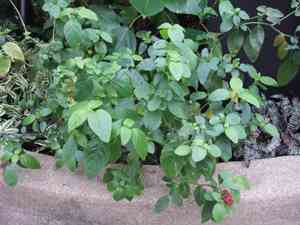
Shrimp plant (Justicia brandegeeana)
Also known as: False hop
Originating from the tropical forests of Mexico, Honduras, and Guatemala, the Firebush (Hamelia patens) is an excellent evergreen shrub for landscaping. This resilient plant is particularly attractive to hummingbirds and butterflies, thanks to its striking red-orange tubular flowers. Its eye-catching blossoms make it a favorite among gardeners looking to add vibrant color and wildlife interest to their gardens.
In This Article
Attributes of Shrimp plant
Lifespan
Perennial
Plant Type
Herb, Shrub
Plant Height
1 m
Spread
60 cm to 90 cm
Leaf Color
Green
Flower Size
2.5 cm
Flower Color
White Pink Red
Images of Shrimp plant
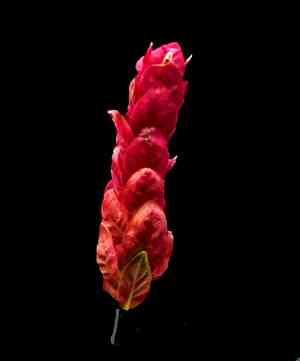
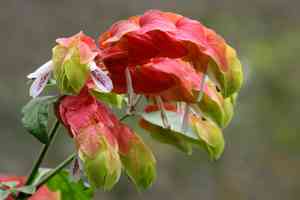
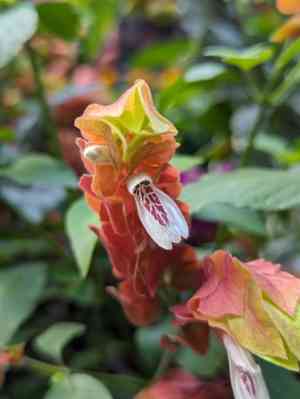
Quickly Identify Shrimp plant
1
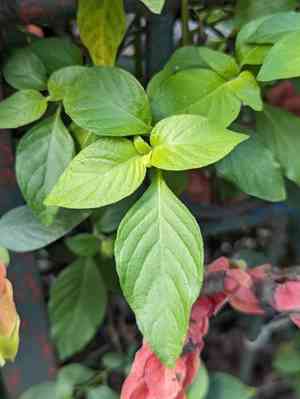
Look for a plant with shrimp-like bracts and small, tubular white flowers. The bracts can range in color from red to yellow. The leaves are ovate and dark green.
Scientific Classification of Shrimp plant
Phylum
Vascular plants
Class
Dicotyledons
Order
Mints plantains olives and allies
Family
Acanthus
Genus
Water-willows
Species
Shrimp plant
Planting and Growing of Shrimp plant
Care Difficulty
Easy
Watering Schedule
Every 4 days
Sunlight Requirements
Partial sun
Sunshine Duration
4-8 hours
Ideal Temperature
65-75℉
Soil Type
Potting Mix, Peat Mix
Soil pH
6.5-7.5
Fertilizer Type
Balanced
Pruning Season
Spring, Summer
Pruning Area
Branches, Leaves
Pruning Frequency
2 times a year
Repotting Season
Spring
Pot Type
Plastic, Ceramic
 How to Water Shrimp plant?
When watering Justicia brandegeeana, aim for around 250 ml per session. The goal is to moisten the soil thoroughly but allow the excess to drain out, helping to prevent root rot. The ideal is to keep the soil evenly moist without letting it become soggy.
More About Watering Techniques→
What are the symptoms of an underwatered Shrimp plant?
›
What should I do if my Shrimp plant is not getting enough water?
›
What are the symptoms of an overwatered Shrimp plant?
›
How to save an overwatered Shrimp plant?
›
 What Are the Sunlight Requirements for Shrimp plant?
Partial sun is ideal for Justicia brandegeeana. This balance of light prevents sunburn and facilitates a full, lush appearance with regular blooms.
More About Sunlight Requirements Techniques→
How much sun does Justicia brandegeeana need?
›
What are the solutions for ideal lighting?
›
What benefits does ideal lighting provide?
›
 What Is the Ideal Temperature Range for Shrimp plant?
The ideal temperature range for Justicia brandegeeana is typically between 65°F and 75°F. This range is conducive to healthy growth and flowering, providing an environment that replicates its native tropical habitat. Maintaining this temperature helps to ensure the plant does not experience stress which can inhibit growth and vitality.
 What Soil is Best for Shrimp plant?
Justicia brandegeeana thrives in soil that offers excellent drainage to prevent waterlogging, ensuring the roots receive adequate air for healthy growth and avoiding root rot. This plant prefers soil that is enriched with organic matter, providing essential nutrients that promote lush foliage and vibrant flowers, contributing to its overall vitality. While good drainage is essential, the soil should also retain some moisture to keep the plant hydrated, facilitating continuous growth and enhancing its drought resistance.
More About Soil→
 How to Fertilize Shrimp plant?
Justicia brandegeeana, commonly known as shrimp plant, benefits from balanced fertilization practices. Apply liquid fertilizer at the prescribed frequency about 2 teaspoons per gallon of water during its active growing season. Ensure to adjust according to plant size and growth rate.
More About Fertilizing Techniques→
 How to Prune Shrimp plant?
Use sharp, clean pruning shears to make crisp cuts which promote fast healing. Dull or dirty tools may injure the plant or introduce disease. Identify and cut away dead, damaged, or crossed branches. Focus on areas where growth is too dense, allowing more air and light to penetrate the plant. Trim excess growth to maintain a compact and visually appealing shape. Aim to enhance the plant's natural form by removing awkwardly shaped or overly protruding branches. Trim just above a node where leaves join the stem. This encourages new growth and more vibrant flowers, maximizing the plant’s ornamental appeal.
More About Pruning Techniques→
 How to Propagate Shrimp plant plant?
1
Choose stems that are healthy and free from pests or diseases. Ideally, select semi-ripe wood for cuttings as they balance flexibility and established growth potential.
2
Using sterilized pruning shears, cut the stem at a 45-degree angle just below a node. This increases the surface area for rooting and helps in nutrient absorption.
3
Dip the cut end in rooting hormone before planting it into a potting mix. Ensure that the soil is well-draining to avoid waterlogging, which can lead to rot.
 How to Repot Shrimp plant plant?
1
Repot your Justicia brandegeeana when you notice roots coming out of the drainage holes. This indicates that the plant has outgrown its current container. Additionally, if the plant appears to be struggling with water uptake or shows signs of stunted growth, it may be time for a new pot. Repotting is typically best done during its active growing season in spring or summer.
2
Select a pot that is one size larger than the current one with sufficient drainage holes. This helps to prevent waterlogging, which can be detrimental to the plant's root system. A pot with good drainage and slightly larger space enables healthier root expansion and better overall growth for Justicia brandegeeana.
3
Choose a well-draining potting mix that is rich in organic matter. This type of soil provides proper aeration and drainage necessary for the health of Justicia brandegeeana, helping to prevent root rot while also retaining adequate moisture for the plant's needs.
Learn More About Shrimp plant Diseases
Anthracnose
Bacterial Leaf Spot
Bacterial Soft Rot
Black Spot
Chemical Injury
Crown Gall
Damping-off
Downy Mildew
Drought Stress
Fusarium Wilt
Gray Mold
Leaf Curl
Leaf Spot
Mosaic
Nutrient Deficiency
Nutrient Toxicity
Powdery Mildew
Root Rot
Root-knot Nematode
Rusts
Sooty Mold
Spider Mites
Temperature Stress
Thrips Damage
White Mold



