How to Transplant Needle juniper?
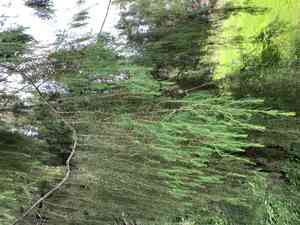
The optimal window for relocating needle juniper spans from late spring through mid-summer, fostering robust root development. Place needle juniper in an area receiving ample sunlight and featuring soil that drains effectively. Careful handling throughout this move guarantees a smooth adaptation to its new environment.
What Preparations are Needed Before Transplanting Needle Juniper?
What is the Ideal Time for Transplanting Needle Juniper?
The optimal period for moving needle juniper is during the pleasant, warm days from late spring through mid-summer. This timeframe, characterized by gentle sunlight and beneficial rainfall, provides an excellent opportunity for needle juniper's root system to settle in its new spot. Choosing this season for transplanting ensures needle juniper recovers comfortably from the relocation, as the favorable climate assists in healing and promotes vigorous development. When transplanted within this perfect window, needle juniper flourishes, minimizing transplant shock and facilitating a smooth transition to its new home. Let's give needle juniper the best start by selecting this natural growth phase!
How Much Space Should You Leave Between Needle Juniper Plants?
When placing your needle juniper, make sure to select a location where it will have sufficient room to expand. Ideally, aim to position them approximately 3-5 feet (0.9-1.5 meters) apart from other plants. Optimizing the spacing will enable your needle juniper to develop properly.
What is the Best Soil Mix for Needle Juniper Transplanting?
Before relocating your needle juniper, prepare the ground. It thrives in well-draining, sandy or loamy soil. Remember to enrich the soil with a foundational fertilizer, such as a slow-release granular product. This will supply essential nutrients for your plant's development.
Where Should You Relocate Your Needle Juniper?
Move your needle juniper to a spot where it will receive full or partial sunlight. Avoid dark, shaded areas as these could impede their growth. Keep in mind, a location with morning sun and afternoon shade is often most suitable for the needle juniper plant.
What Equipments Should You Prepare Before Transplantation Needle Juniper?
Gardening Gloves
To safeguard your hands while handling the needle juniper plant and working with soil.
Shovel or Spade
To excavate the hole for the new site and assist in removing the plant from its original position, prefer a shovel with a sharp, rust-resistant blade.
Pruning Shears
To trim any unhealthy root sections during removal and after transplanting.
Watering Can or Hose
To thoroughly hydrate the plant before and after its relocation.
Wheelbarrow
To transport the needle juniper plant from its previous spot to the new location.
Garden Trowel
For precise digging if moving a smaller needle juniper.
How Do You Remove Needle Juniper from the Soil?
How Do You Remove Needle Juniper from the Soil?
From Ground: Start by watering the needle juniper thoroughly; this moistens the soil and simplifies the extraction process. Dig a wide trench around the plant using a shovel, taking great care not to harm the root ball. Carefully work the spade beneath the root ball to lift the plant from the ground. It may be helpful to trim any excessively long or unhealthy roots with pruning shears.From Pot: Water the needle juniper thoroughly. Tilt or turn the pot sideways and gently tap or squeeze the pot to loosen the soil and plant. If the plant does not come out, you might need to gently pull it out by the base, being careful not to injure the roots.From Seedling Tray: Water the seedlings thoroughly. Then carefully pry or tease out a seedling using a gardening trowel or similar tool, ensuring to lift it by its root ball and not by its stem.
Step-by-Step Guide for Transplanting Needle Juniper
Preparation
Fill a wheelbarrow with water and place the extracted needle juniper into it, allowing the roots to absorb moisture.
Digging
Excavate a hole in the new location that is twice as wide and equally deep as the needle juniper's root ball.
Placing
Position the needle juniper in the hole, ensuring it is not planted deeper than it was in its initial spot.
Backfilling
Refill the hole, firming the soil around the base of the needle juniper. Fill half of the hole, then water thoroughly, allowing the water to drain into the soil, then complete filling the hole.
Watering
Provide the newly transplanted needle juniper with a generous amount of water.
How Do You Care For Needle Juniper After Transplanting?
Regular Care
Inspect and water the needle juniper regularly, always allowing the top layer of soil to dry out before the next watering. Be cautious not to overwater as it can lead to root rot.
Pruning
Trim the needle juniper plant periodically to maintain its shape and remove any dead or diseased foliage and stems.
Pest Control
Regularly check the leaves, stem, and surrounding soil for indications of pests and disease. Early detection can prevent significant harm to needle juniper.
Mulching
Apply mulch around the base of the needle juniper a few weeks after transplanting. This helps to retain soil moisture and also discourages weeds.
Troubleshooting Common Issues with Needle Juniper Transplantation.
When is the best time to transplant needle juniper?
The optimal time to transplant needle juniper is during its active growth season, specifically seasons 3-5, and ensure to do it in the early morning or late evening.
How far apart should I space each needle juniper when transplanting?
Ensure needle juniper is spaced between 3-5 feet (0.9-1.5 meters) apart. This allows for proper growth and prevents overcrowding.
What should I do if the needle juniper's roots are too tight in the pot?
Carefully loosen the roots of needle juniper before transplanting. Ensure you donât damage them, as this could impair the plantâs ability to thrive.
My transplanted needle juniper is not showing growth, what's wrong?
Transplanted needle juniper may need time to adjust to its new environment. Also, ensure it receives adequate sunlight, water, and nutrients. Patience is key here.
Should I prune needle juniper before transplanting?
Trim needle juniper moderately before transplanting; this helps to reduce stress on the plant and aids in its faster establishment in the new location.
What kind of soil does needle juniper prefer for transplanting?
Needle juniper thrives in well-drained soil with a slightly acidic pH level. Enriching the soil with compost or organic matter can boost its fertility and drainage.
How deep should I dig to transplant needle juniper?
The hole should be twice the width and the same depth as the root ball of the needle juniper. This extra space provides room for roots to expand.
Why are the leaves of my transplanted needle juniper turning yellow?
Yellow leaves can indicate water stress or a lack of nutrients. Ensure your needle juniper receives consistent watering and consider applying a balanced slow-release fertilizer.
How often should I water my transplanted needle juniper?
Immediately after transplanting, water needle juniper thoroughly and then keep the soil moderately moist. Once established, reduce watering but donât let the soil completely dry out.
Should I add fertilizer immediately after transplanting needle juniper?
It's best to wait a few weeks before applying fertilizer to give needle juniper time to acclimate to its new location. Afterward, use a slow-release fertilizer.



