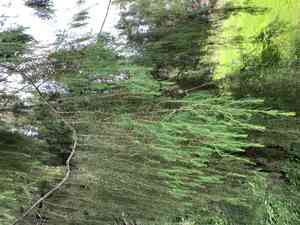
Needle juniper (Juniperus rigida)
Also known as: Stiff-leaved juniper
Needle juniper’s unique needle-like foliage and weeping habit make it a favored choice for ornamental gardens. Its association with Japanese temples has earned it the nickname "Temple Juniper." Additionally, its resilience to pollution enhances its suitability for urban environments. The plant’s adaptability and ease of shaping through pruning make it a popular subject for bonsai cultivation, offering opportunities for detailed and artistic growth forms.
In This Article
Attributes of Needle juniper
Lifespan
Perennial
Plant Type
Tree
Plant Height
4.5 m to 8 m
Spread
2.5 m
Leaf Color
Green
Flower Size
Not applicable
Flower Color
Yellow White Green
Images of Needle juniper
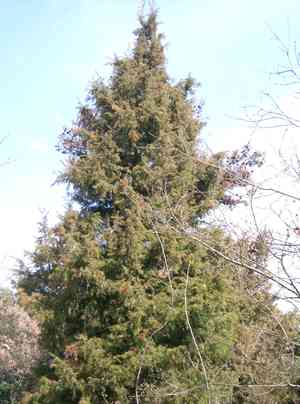
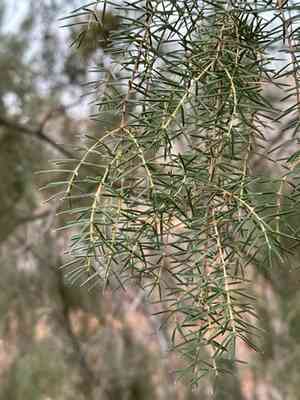
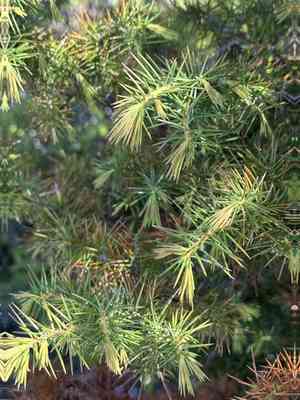
Quickly Identify Needle juniper
1
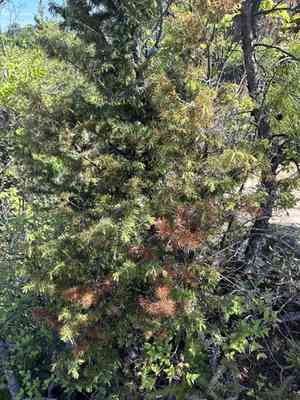
Look for needle-like leaves arranged in whorls of three, sharp and rigid to touch. The foliage is usually dark green, and the tree often has a conical or irregular shape.
Scientific Classification of Needle juniper
Phylum
Vascular plants
Class
Conifers
Order
Pines and allies
Family
Cypress
Genus
Junipers
Species
Needle juniper
Planting and Growing of Needle juniper
Care Difficulty
Hard
Watering Schedule
Every 2 days
Sunlight Requirements
Full sun
Sunshine Duration
6-10 hours
Ideal Temperature
60-75℉
Soil Type
Potting Mix, Peat Mix
Soil pH
6.5-7.5
Fertilizer Type
Balanced
Pruning Season
Spring, Summer
Pruning Area
Branches, Leaves
Pruning Frequency
2 times a year
Repotting Season
Spring
Pot Type
Plastic, Ceramic
 How to Water Needle juniper?
When watering Juniperus rigida, the rule of thumb is to ensure that the soil is moist but not soggy. The ideal amount is about 500 ml per watering session, ensuring that the water reaches deeper roots while avoiding waterlogging that can rot the plant roots.
What are the symptoms of an underwatered Needle juniper?
›
What should I do if my Needle juniper is not getting enough water?
›
What are the symptoms of an overwatered Needle juniper?
›
How to save an overwatered Needle juniper?
›
 What Are the Sunlight Requirements for Needle juniper?
Juniperus rigida flourishes in full to partial sun, ideal for robust development and disease resistance. Proper light improves photosynthesis and supports growth of healthy, vibrant foliage.
More About Sunlight Requirements Techniques→
What is the ideal light condition?
›
How to achieve ideal lighting conditions?
›
What are the benefits of ideal light conditions?
›
 What Is the Ideal Temperature Range for Needle juniper?
Juniperus rigida thrives best in mild temperatures ranging from 60°F to 75°F. These conditions emulate their natural habitat, where the climate is neither too hot nor too cold, allowing the plant to efficiently carry out its physiological processes.
 What Soil is Best for Needle juniper?
Juniperus rigida thrives in well-drained soil. This requirement is crucial as it prevents root rot—a common issue with junipers—and helps the plant absorb nutrients effectively. The plant prefers soil with moderate fertility. Excessively fertile soil can lead to leggy growth, while poor soil can stunt its development. Moderate fertility provides a balanced nutritional environment. A pH range of 6.5 to 7.5 is ideal for Juniperus rigida. This pH range helps ensure proper nutrient availability and microbial activity, promoting healthy growth.
 How to Fertilize Needle juniper?
For Juniperus rigida, you should aim to use a balanced fertilizer at half the recommended strength for young plants, and full strength for mature ones. Typically, 1 tablespoon per gallon of water is sufficient for liquid fertilizers.
 How to Prune Needle juniper?
Juniperus rigida should not be excessively pruned as it can lead to stress and impact its health. Always retain some foliage to ensure the plant continues photosynthesis efficiently. The plant produces a sticky sap when cut, which can be irritating to the skin. Wear gloves and long sleeves to protect yourself during the pruning process.
More About Pruning Techniques→
 How to Propagate Needle juniper plant?
1
Collect ripe seeds from Juniperus rigida cones and clean them to remove any fruit residues. Stratify seeds by mimicking natural cold conditions, which may involve refrigerating seeds for several weeks to break dormancy.
2
Select healthy, semi-hardwood cuttings about 5-10 cm long. Remove the lower leaves and treat the cut end with rooting hormone to enhance root development. Plant in a well-draining substrate.
3
Cover the seed trays or cuttings with a clear plastic cover or place within a propagation chamber to maintain high humidity essential for the early stages of seed germination and cutting rooting.
 How to Repot Needle juniper plant?
1
Repot your Juniperus rigida when you observe signs like limited growth, roots emerging from drainage holes, or compact soil. Early spring is ideal as this allows the plant to recover and establish itself in a new pot during the growing season. Repotting after the plant has been in the same container for over two years is also a good practice to refresh the soil and rejuvenate growth.
2
Select a pot slightly larger than the current one, with ample drainage holes to prevent waterlogging. The material can vary from ceramic to plastic but make sure it complements your decor while serving the plant's needs. A new pot should accommodate root expansion, reducing the stress of overcrowding, and providing room to grow healthy and robust.
3
Opt for well-draining sandy soil with a pH of 5.5 to 7.0 to cater to the plant's preference for slightly acidic to neutral conditions. This type of soil prevents root rot and compaction, allowing air circulation and moisture balance—essential for the robust growth of Juniperus rigida.



