How to Transplant Common juniper?
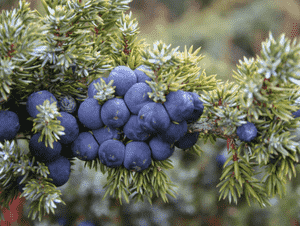
The most suitable period for relocating Juniperus communis is between the beginning of spring and the start of summer, which facilitates prime development and rooting. Select a site featuring soil that drains effectively and receives full sunlight to partial shade. Carefully disentangle the root mass during the transfer process to encourage robust root expansion.
What Preparations are Needed Before Transplanting Common Juniper?
What is the Ideal Time for Transplanting Common Juniper?
Moving common juniper from its current spot to a new one is best from early spring to mid-summer. This timeframe offers the plant optimal conditions for settling into its new location. Transplanting during this window promotes stronger root development and increased survival rates. A successful transfer of common juniper at this time prepares it well for thriving in its new environment.
How Much Space Should You Leave Between Common Juniper Plants?
To allow your common juniper ample room to grow, position them approximately 5-10 feet (1.5-3m) apart. This spacing ensures proper air circulation and helps prevent disease.
What is the Best Soil Mix for Common Juniper Transplanting?
For your common juniper, prepare well-draining soil with a blend of sand and organic material. Incorporate a slow-release, balanced fertilizer to establish a robust growth foundation.
Where Should You Relocate Your Common Juniper?
Place your common juniper in a sunny location, ensuring it receives at least 6 hours of direct sunlight daily. This will encourage vibrant and healthy growth.
What Equipments Should You Prepare Before Transplantation Common Juniper?
Gardening Gloves
To safeguard your hands from any sharp edges or rough textures while handling your common juniper.
Garden Spade/Shovel
This tool will be used to excavate the common juniper from its original site and to dig the hole at the new site.
Garden Trowel
This smaller implement can be useful for precise tasks near the roots of the common juniper.
Pruning Shears
To trim any excess branches or roots before transplanting.
Bucket or wheelbarrow
To transport the common juniper from its initial location to its new home.
Watering Can with fine rose attachment
To gently irrigate your common juniper during and after the process.
How Do You Remove Common Juniper from the Soil?
How Do You Remove Common Juniper from the Soil?
From Ground: First, thoroughly water the common juniper plant to help loosen the roots and reduce breakage. Allow the water to penetrate, then begin digging a wide circle around the root ball with your garden spade. Carefully work your way beneath the root ball, taking care to keep as many roots intact as possible. Once the plant is lifted, gently place it into your bucket or wheelbarrow for transport.From Pot: Water the pot to loosen the soil and roots. Tilt the pot sideways and carefully extract the common juniper plant with slow, steady pressure. Try to preserve as much of the root ball as you can. A trowel can assist in dislodging stubborn roots.From Seedling Tray: Water the tray and let it soak. Use a trowel or your fingers to gently loosen the soil around each seedling, lifting it carefully by the root ball.
Step-by-Step Guide for Transplanting Common Juniper
Digging a Hole
Excavate a hole at the new site that is twice as wide and equally as deep as the common juniper's root ball. The hole must be large enough to accommodate all roots without bending them.
Preparing the Plant
Trim any damaged or excessively long roots from the common juniper using your pruning shears. This will help stimulate new growth after transplantation.
Placing the Plant
Position the common juniper in the center of the hole. The top of the root ball should be level with or slightly above the ground surface.
Backfilling
Fill in around the root ball with soil, gently firming it as you go to eliminate air pockets without compacting the roots.
Watering
Thoroughly water the common juniper using a watering can with a fine rose, allowing the water to gently soak into the soil.
How Do You Care For Common Juniper After Transplanting?
Monitoring
Observe your common juniper closely in the days and weeks following transplantation. If the foliage begins to appear wilted or discolored, this could indicate transplant shock.
Watering
Water the common juniper regularly, but avoid overwatering. The soil should remain moist but never waterlogged.
Pruning
Look for any dead or dying branches on the common juniper and prune them away to encourage healthy development. Refrain from heavy pruning until the plant is well-established in its new location.
Mulching
Applying a layer of mulch around the base of your common juniper will help retain soil moisture and regulate soil temperature, reducing stress on the plant.
Troubleshooting Common Issues with Common Juniper Transplantation.
What is the optimal time of year to transplant common juniper?
The best period to transplant common juniper is from late winter to early summer.
How much distance should be maintained between common juniper plants when transplanting?
When transplanting common juniper, maintain a spacing of approximately 5-10 feet (1.5-3 meters) between each plant to provide ample room for growth.
Is stepping on the soil around the transplant of common juniper advisable?
Avoid stepping on the soil around the common juniper transplantation area as this can lead to unnecessary soil compaction, hindering root penetration.
What precautions are needed when removing common juniper for transplantation?
Ensure to excavate as much of the common juniper's root system as possible. Minimize damage by carefully loosening the soil with a gardening fork.
What should I do if the leaves of my transplanted common juniper turn brown?
Browning leaves can signal shock or insufficient hydration. Ensure common juniper is watered consistently and monitor for improved health.
How deep and wide should the hole be when transplanting common juniper?
For common juniper, dig a hole that is three times the diameter and the same depth as the root ball. This is typically around 6-12 inches (15-30 cm).
Do I need to water common juniper immediately after transplanting?
Yes, it's essential to water common juniper right after transplanting to settle the soil and provide hydration to the stressed plant.
Can a transplanted common juniper withstand high temperatures during summer?
Common juniper are quite sensitive to temperature. During hot periods, ensure the plant has adequate shade and water to prevent heat stress.
What's the best way to handle the root ball of common juniper during transplantation?
Handle common juniper's root ball with care, avoiding excessive disturbance. Over-handling can cause unnecessary stress and damage to the plant.
Why are my newly transplanted common juniper plants wilting?
Wilting could be due to watering issues, excessive sun exposure, or root shock. Ensure common juniper is adequately watered and provided with sufficient shade.



