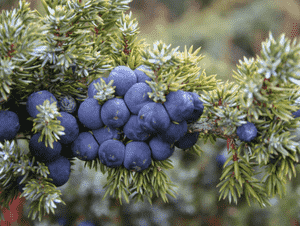
Common juniper (Juniperus communis)
Also known as: Rocky Mountain Juniper, Old Field Juniper, Dwarf juniper, Gound juniper, American Common
The common juniper, an evergreen conifer found on every continent, is widely used in various industries. It is popular in horticulture as a decorative shrub, and its wood is crafted into various items. The juniper cones are known for their use in flavoring foods, and some Native American cultures harness the berries for their medicinal benefits.
Attributes of Common juniper
Images of Common juniper
Quickly Identify Common juniper
Scientific Classification of Common juniper
Planting and Growing of Common juniper
 How to Water Common juniper?
 What Are the Sunlight Requirements for Common juniper?
 What Is the Ideal Temperature Range for Common juniper?
 What Soil is Best for Common juniper?
 How to Fertilize Common juniper?
 How to Prune Common juniper?
 How to Propagate Common juniper plant?
 How to Repot Common juniper plant?
Toxicity of Common juniper
Is Common juniper toxic to humans?
The seeds, leaves, and berries of the common juniper are regarded as mildly toxic if ingested. These components of the plant possess a volatile oil called thujone, which may result in diarrhea when consumed in excessive amounts. Occasionally, the fruit of the common juniper is utilized for medicinal purposes or to enhance the flavor of specific dishes and gin, leading to potential unintentional overdoses.
Is Common juniper toxic to cat?
The common juniper carries a low level of toxicity for cats, which can escalate to poisoning if they ingest significant amounts of the plant. Particularly, the berries and foliage of common juniper can be hazardous to feline well-being, potentially leading to physical discomfort and health issues. In unfortunate circumstances where a cat consumes portions of common juniper, it is essential for pet owners to remain alert for indicators of distress or suffering, as these may signal possible poisoning. Seeking veterinary assistance promptly upon observing any of these symptoms is crucial for the animal's health.
Is Common juniper toxic to dog?
Common juniper presents a mild risk of toxicity to dogs. Although consuming small amounts may not result in severe harm, high consumption can lead to poisoning. The fruits and leaves of the plant are particularly harmful to dogs. Canines that ingest these parts of common juniper might show symptoms such as gastrointestinal upset or other minor signs of discomfort. It is essential for dog owners to keep a close watch on their pets and to prevent them from eating large quantities of this plant. If a dog does ingest common juniper and shows negative reactions, it is crucial to seek prompt veterinary assistance to ensure appropriate treatment and management of any potential toxicity.



