How to Transplant Chinese juniper?
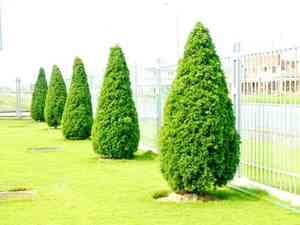
The ideal period for relocating chinese juniper is in the spring, as this offers excellent conditions for root development. Choose a location that receives ample sunlight and has soil that drains effectively to encourage robust growth. Carefully managing the root system is crucial for successful transplantation.
Preparations Required Before Relocating Chinese Juniper
Optimal Period for Relocating Chinese Juniper?
The best time for moving chinese juniper is during its spring awakening, typically after the last frost but before the intense summer heat. This timing allows chinese juniper to establish roots in mild conditions, boosting its chances of survival. Resettling chinese juniper during this calm season provides it with ample time to adjust and thrive, utilizing the moderate temperatures for ideal root development. A friendly reminder: this well-timed move ensures your chinese juniper a smooth transition, promoting vigorous growth and vitality!
Required Spacing Between Chinese Juniper Plants?
When relocating chinese juniper, provide each plant with sufficient room to expand and mature. Aim for a distance of approximately 10-15 feet (3-4.5 meters) between each plant. This will offer enough space for each chinese juniper to develop properly without competing for resources.
Best Soil Mixture for Chinese Juniper Relocation?
For chinese juniper, well-draining soil is essential for its growth. Prepare your garden bed with this type of soil and incorporate some foundational fertilizer to jumpstart its growth journey. The fertilizer will enrich the soil with vital nutrients that chinese juniper requires to grow and flourish.
Ideal Location for Your Chinese Juniper?
Select a spot for chinese juniper where it will receive abundant sunlight. These plants thrive in sun, so an area providing six to eight hours of sunlight daily would be perfect. Remember, a brightly lit location encourages better growth and healthier chinese juniper.
Equipment Needed Before Relocating Chinese Juniper?
Gardening Gloves
To protect your hands from potential irritations while handling soil and the plant during chinese juniper relocation.
Shovel
An essential tool for digging the new hole for the chinese juniper.
Garden Trowel
For scooping smaller amounts of soil and gently extracting the plant from its container.
Garden Fork
Used for carefully loosening soil around roots when removing the chinese juniper from the ground.
Pruners
To trim any dead or damaged roots.
Watering Can
To hydrate the chinese juniper once it's placed in its new spot.
Wheelbarrow or Cart
For easy transport of larger chinese juniper from its original location to the new planting site.
How to Extract Chinese Juniper from the Soil?
How to Extract Chinese Juniper from the Soil?
From Ground: First, thoroughly water the chinese juniper to moisten the surrounding soil. This facilitates easier removal without root damage. Gently begin loosening the soil with a garden fork, being careful not to harm the roots. Create a wide enough perimeter to safely encompass all roots. Gradually work the spade beneath the root ball until you can carefully lift the chinese juniper from the ground.From Pot: Start by watering the pot thoroughly to loosen the soil. Invert the pot and gently tap the bottom until the chinese juniper begins to slide out. Avoid pulling by the stems, as this could injure the plant.From Seedling Tray: Moisten the soil medium. Use a spoon or small tool to dig around the chinese juniper seedling to remove it from the tray. Exercise caution to avoid damaging the delicate seedling roots.
Step-by-Step Guide for Relocating Chinese Juniper
Preparation
Well in advance of relocation, water chinese juniper sufficiently to fully saturate the soil. It's easier to move the plant when the soil and roots are moist.
Digging
Using a shovel, dig a hole in the new location that is twice as wide and equally deep as the current root ball of the chinese juniper.
Relocating
Carefully position the chinese juniper in the freshly dug hole. Ensure it is centered and upright. Backfill the hole with soil, making sure there are no air pockets. Gently firm the ground around the plant, but do not compact it.
Watering
Immediately, water the chinese juniper generously, but avoid waterlogging. This will help the plant settle into its new home and encourage new root growth.
Post-Relocation Care for Chinese Juniper
Rehydration
Ensure the chinese juniper receives thorough and consistent watering, maintaining steady soil moisture, which is crucial for the plant to recover from the shock of relocation.
Pruning
If the chinese juniper experiences transplant shock, it might shed some leaves. Removing these promptly can alleviate stress on the plant and allow it to focus on new growth.
Monitoring
Keep a close watch for pests and diseases that might affect the chinese juniper after relocation. These can harm the plant, especially when it is vulnerable in the initial post-transplant phase. Protect it using organic pesticides or other recommended treatments.
Addressing Common Issues with Chinese Juniper Relocation.
When is the best time to relocate chinese juniper?
The optimal time to relocate chinese juniper is during the S1-S3 season, known for its cooler, milder weather.
What is the ideal space needed for chinese juniper after relocation?
For chinese juniper, the ideal spacing is approximately 10-15 feet (3-4.5 meters) apart. This allows the plant to grow healthily.
How deep should I plant chinese juniper during relocation?
Dig a hole twice as wide and nearly as deep as the root ball of chinese juniper. Plant it at the same depth it was in its previous container.
What should I do if chinese juniper leaves turn brown after relocation?
Browning leaves may indicate watering issues. Ensure chinese juniper is kept moderately moist, but not waterlogged. Both over and under-watering can harm the plant.
Why is chinese juniper not thriving even after relocating at the correct time?
Ensure chinese juniper is in a sunny location. Insufficient sunlight can impede its growth. Also, avoid relocating into poor soil. Add organic matter if necessary.
What should be the watering routine for chinese juniper after relocation?
Chinese juniper is drought-tolerant, but it's important to water it thoroughly after relocation. Afterward, allow it to dry before the next watering. Avoid over-watering as it can damage plant roots.
How to manage pests after relocating chinese juniper?
Watch out for common pests like aphids or spider mites. You can use an approved insecticidal soap or horticultural oil to eliminate them.
What should I do if chinese juniper appears to be dying after relocation?
Check the watering and light conditions, and correct them if needed. Additionally, apply a slow-release fertilizer to promote root health and plant recovery.
Should I prune chinese juniper after relocation?
Pruning is not typically required immediately after relocating chinese juniper. However, if you observe dead or damaged branches, feel free to prune them off.
How to prevent transplant shock in chinese juniper?
Before relocating chinese juniper, water it thoroughly. Also, keep the root ball intact during the process, plant it at a similar depth, and avoid exposing the roots to sunlight or wind.



