How to Transplant Bluntflower rush?
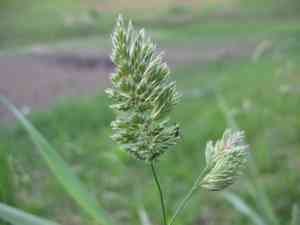
-The optimal period for relocating bluntflower rush spans from the close of spring to the middle of summer, given the plant's preference for elevated temperatures. Verify that the new site offers damp conditions and partial light. Undertake transplantation solely when essential, taking care to prevent root injury for superior outcomes.
Necessary Preparations Before Moving Bluntflower Rush?
When is the Best Time to Relocate Bluntflower Rush?
The prime window for relocating bluntflower rush spans from early to mid-summer. This timing guarantees warm ground temperatures and consistent moisture, fostering robust root development. Moving the perennial during this period helps it flourish by minimizing stress, ensuring rapid growth, and allowing ample time for the plant to mature before colder seasons.
What Distance Should Be Maintained Between Bluntflower Rush Plants?
When relocating bluntflower rush, allow for a separation of 18-24 inches (45-60 cm) between each specimen. This provides sufficient room for growth and prevents overcrowding, leading to improved air circulation and healthier plants.
Which Soil Mixture is Optimal for Bluntflower Rush Relocation?
For bluntflower rush, select moist, well-draining soil. A blend of loam and some compost works effectively. Prior to relocation, enrich the soil with a balanced slow-release fertilizer to give your plants a strong start.
Where Should You Replant Your Bluntflower Rush?
Position bluntflower rush in an area that receives full sun to partial shade. This ensures the plants get adequate light to thrive without being overly stressed by intense, direct sunlight.
What Tools Should You Prepare Before Relocating Bluntflower Rush?
Gardening Gloves
To safeguard your hands while handling soil and the plant.
Shovel or Spade
For excavating the plant and creating the new planting hole.
Watering Can
To hydrate the plant during and after its relocation.
Trowel
To assist in digging smaller holes or removing the plant from a pot or seedling tray.
Bucket or Container
To temporarily hold the plant during the relocation process.
How Do You Extract Bluntflower Rush from the Ground?
How Do You Extract Bluntflower Rush from the Ground?
From Ground: First, moisten the bluntflower rush plant to soften the soil. Then, dig a wide trench around the plant using a shovel or spade, ensuring the plant's root ball remains intact. Carefully work the spade beneath the root ball to lift the plant from its original spot.From Pot: Water the bluntflower rush plant in the pot an hour before removal to facilitate extraction. Gently tilt the pot on its side and tap the bottom to loosen the root ball. Carefully slide the plant out, supporting the root ball with your hands.From Seedling Tray: Water the seedlings beforehand. Use a trowel to gently lift the seedlings from the tray, ensuring minimal disturbance to the roots. Handle the seedlings by their leaves to avoid damaging the delicate stems.
Step-by-Step Guide for Relocating Bluntflower Rush
Prepare the New Planting Location
Ensure the new planting site offers suitable conditions for bluntflower rush.
Excavate the Planting Hole
Dig a hole in the prepared site that is twice as wide and the same depth as the bluntflower rush plant's root ball.
Position the Plant
Gently place the bluntflower rush plant into the new hole, ensuring the top of the root ball is level with the surrounding soil.
Backfill the Hole
Refill the hole with soil, gently firming it around the root ball to eliminate air pockets.
Water the Plant
Thoroughly water the bluntflower rush plant immediately after relocation to help settle the soil around the roots.
How Do You Care For Bluntflower Rush After Relocation?
Watering
Keep the soil around the bluntflower rush consistently moist, but not waterlogged, for the initial few weeks after relocation to aid in strong root establishment.
Mulching
Apply a layer of mulch around the base of the bluntflower rush plant to help retain moisture and suppress weeds.
Support
If the bluntflower rush plant is tall or has dense foliage, provide support with stakes or ties to keep it upright as it establishes.
Addressing Common Issues with Bluntflower Rush Relocation.
When is the optimal time to move bluntflower rush?
Early to mid-summer provides ideal conditions for relocating bluntflower rush.
What spacing should be maintained between each bluntflower rush?
Each bluntflower rush should be spaced 18-24 inches (45-60 cm) apart for optimal growth.
How should I prepare the soil for relocating bluntflower rush?
Loosen the soil and enrich it with organic matter to ensure good drainage and nutrients.
Should I water bluntflower rush immediately after relocating?
Yes, thoroughly water bluntflower rush right after relocation to reduce shock and help roots settle.
What should I do if bluntflower rush shows signs of relocation shock?
Provide adequate water and shade, and avoid fertilizing until bluntflower rush shows signs of recovery.
How deep should I plant bluntflower rush?
Plant bluntflower rush at the same depth it was growing in its previous location to prevent stress.
Can I relocate bluntflower rush in direct sunlight?
Yes, bluntflower rush can handle full sun, but ensure itâs well-hydrated during hot periods.
How can I ensure root health while relocating bluntflower rush?
Handle roots gently, avoid breaking them, and ensure theyâre spread out in the new soil.
What type of mulch is best for bluntflower rush after relocating?
A layer of organic mulch helps retain moisture and regulate soil temperature around bluntflower rush.
Do I need to fertilize bluntflower rush immediately after relocating?
Avoid fertilizing right after relocating; wait a few weeks to let bluntflower rush acclimate.



