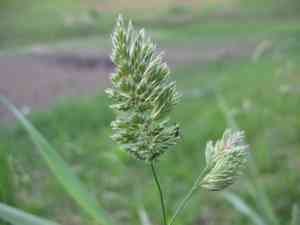
Bluntflower rush (Juncus subnodulosus)
Also known as: Blunt-flowered Rush, Knotted Rush
Juncus bufonius, commonly known as toad rush, is a species that naturally spans from the Mediterranean region through temperate Europe, though it doesn't extend deeply into Scandinavia. It has also been introduced to regions such as New Zealand and North America.
In This Article
Attributes of Bluntflower rush
Lifespan
Perennial
Plant Type
Grass
Plant Height
80-100 cm
Spread
N/A
Leaf Color
Green
Flower Size
1-2 mm
Flower Color
Greenish
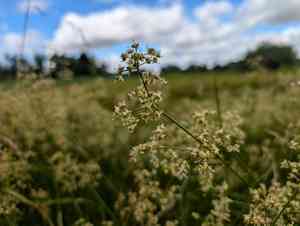
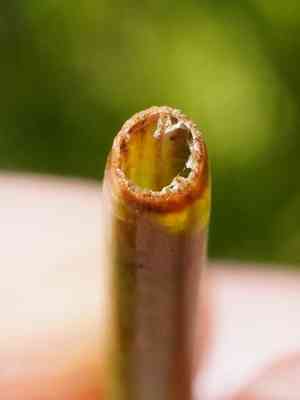
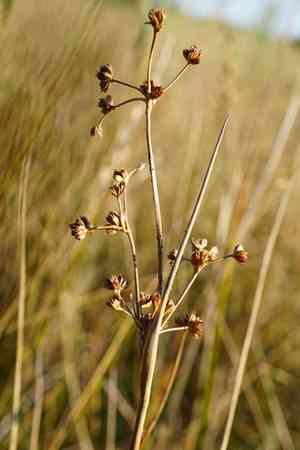
Images of Bluntflower rush
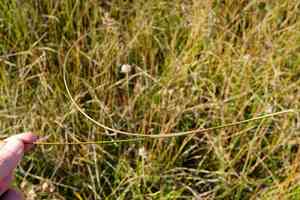
Quickly Identify Bluntflower rush
1
To identify Juncus subnodulosus, look for its round, smooth stems that can grow up to 100 cm tall. The leaves are flat or slightly concave and form basal clusters. The inflorescences are characterized by small, greenish flowers in dense clusters.
Scientific Classification of Bluntflower rush
Phylum
Vascular plants
Class
Monocotyledons
Order
Poales
Family
Rush
Genus
Rushes
Species
Bluntflower rush
Planting and Growing of Bluntflower rush
Care Difficulty
Easy
Watering Schedule
Every 8 days
Sunlight Requirements
Partial sun
Sunshine Duration
6-10 hours
Ideal Temperature
55-77℉
Soil Type
Potting Mix, Peat Mix
Soil pH
6.5-7.5
Fertilizer Type
Balanced
Pruning Season
Spring, Summer
Pruning Area
Branches, Leaves
Pruning Frequency
2 times a year
Repotting Season
Spring
Pot Type
Plastic, Ceramic
 How to Water Bluntflower rush?
For Juncus subnodulosus, the watering amount should be enough to keep the soil consistently moist but not waterlogged. Use around 500 ml of water each time, ensuring that the water penetrates deeply to reach the roots. The principle here is to maintain even moisture, akin to a damp sponge without extra water pooling at the base.
What are the symptoms of an underwatered Bluntflower rush?
›
What should I do if my Bluntflower rush is not getting enough water?
›
What are the symptoms of an overwatered Bluntflower rush?
›
How to save an overwatered Bluntflower rush?
›
 What Are the Sunlight Requirements for Bluntflower rush?
Juncus subnodulosus thrives under partial sun to full sun conditions. Proper sunlight aids its photosynthesis leading to robust growth and optimal nutrient uptake, reinforcing the lushness essential to its ecosystem role.
Solution for Ideal Light
›
Specific Measures
›
Achieved Benefits
›
 What Is the Ideal Temperature Range for Bluntflower rush?
The ideal temperature range for the growth of Juncus subnodulosus is between 55°F and 77°F. This range ensures optimal metabolic activity and physiological processes, promoting healthy growth and development. Outside of this range, the plant may experience stress that can hinder its development. To maintain this optimal temperature, growers should be mindful of the ambient climate and utilize shade, fans, or other environmental controls as necessary.
 What Soil is Best for Bluntflower rush?
Juncus subnodulosus thrives in moist soil conditions. Ensuring the soil retains adequate moisture is crucial as it mimics the plant's natural habitat, preventing the plant from becoming stressed and thereby promoting lush growth. This plant benefits from soil rich in organic matter and nutrients. Such soil fosters healthy root development and enhances the plant's growth potential, resulting in robust and vibrant foliage. Good aeration in the soil ensures oxygen reaches the roots, which is vital for root respiration. Well-aerated soil helps prevent root rot and ensures the plant's energy system functions optimally.
 How to Fertilize Bluntflower rush?
For Juncus subnodulosus, apply liquid fertilizer at half the recommended strength to avoid burning the roots. A quarter of a teaspoon per gallon of water should be effective, especially during the growing season.
 How to Prune Bluntflower rush?
When pruning Juncus subnodulosus, begin by removing any dead, damaged, or diseased stems with clean, sharp scissors or garden shears. This encourages healthy growth and prevents the spread of disease. Trim any overly long stems to maintain the desired shape and size of the plant, ensuring cuts are made just above a stem node.
More About Pruning Techniques→
 How to Propagate Bluntflower rush plant?
1
Choose robust and healthy clumps of Juncus subnodulosus for division. Ensure the chosen clump has a good root system and strong stems to support new growth.
2
Use a garden fork to gently lift the clump from the soil. Ensure minimum damage to the roots during this process by carefully maneuvering around the entire clump.
3
Using a sharp spade, separate the clump into smaller sections. Each section should have a healthy portion of roots and shoots, promoting better chances for successful growth.
 How to Repot Bluntflower rush plant?
1
Juncus subnodulosus should be repotted when you observe roots poking out of the drainage holes or when the plant's growth seems stunted despite regular care. Spring and early summer are ideal as the plant is actively growing and can quickly adjust to new soil conditions.
2
Select a pot that is just one size larger than the current one to prevent over-watering issues. Ensure it has adequate drainage holes to facilitate excess water escape, which is crucial for maintaining the right moisture levels that Juncus subnodulosus needs.
3
Opt for a rich, loamy soil with excellent water retention properties. Juncus subnodulosus thrives in moist conditions; thus, soil that holds moisture yet drains well will support sustained plant health and vigorous growth.
Learn More About Bluntflower rush Diseases
Anthracnose
Bacterial Leaf Spot
Bacterial Soft Rot
Damping-off
Downy Mildew
Drought Stress
Fusarium Wilt
Gray Mold
Leaf Spot
Mosaic
Nutrient Deficiency
Nutrient Toxicity
Powdery Mildew
Root Rot
Root-knot Nematode
Rusts
Sooty Mold
Spider Mites
Temperature Stress
Thrips Damage
White Mold
Chemical Injury



