How to Transplant Siamese white ixora?
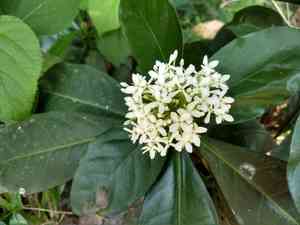
The most favorable time to relocate siamese white ixora extends from the refreshing onset of early spring through the mild temperatures of late spring, facilitating strong root development. Select a bright yet sheltered location with soil that drains effectively, and provide attentive nurturing as required.
What Preparations are Needed Before Transplanting Siamese White Ixora?
What is the Ideal Time for Transplanting Siamese White Ixora?
Relocate your siamese white ixora once winter's chill recedes but prior to summer's intense heat, a period often called 'the prime spring window'. This timing aligns with nature's revival, allowing siamese white ixora to settle in mild conditions, with the upcoming summer fostering rapid development. This season is beneficial for gardeners, offering gentle weather and ideal soil conditions, which eases the transition for siamese white ixora and promises a lush, thriving presence in your garden.
How Much Space Should You Leave Between Siamese White Ixora Plants?
Greetings! For your beautiful siamese white ixora, you'll want to provide ample room to thrive. Aim for a comfortable spacing of approximately 18-36 inches (45-91 cm) between each plant. This should offer sufficient area for growth and prevent competition for nutrients or sunlight.
What is the Best Soil Mix for Siamese White Ixora Transplanting?
To create an optimal environment for your siamese white ixora, prepare a well-draining soil blend. They prefer a combination of loamy or sandy soil enriched with organic matter. Before planting, amend the soil with a balanced, slow-release fertilizer to give your siamese white ixora a healthy start.
Where Should You Relocate Your Siamese White Ixora?
Your siamese white ixora enjoys the sun, thriving in its radiance. For the most vigorous growth, select a spot that receives full to partial sunlight. Aim for a location where they can absorb rays for at least 4-6 hours daily, ensuring their most vibrant display.
What Equipments Should You Prepare Before Transplantation Siamese White Ixora?
Gardening Gloves
To safeguard your hands while handling soil and plants.
Spade or Shovel
For excavating the siamese white ixora from its original spot and preparing the new planting site.
Watering Can or Hose
To provide hydration to the siamese white ixora before and after relocation.
Trowel
For detailed work around the plant's root ball and for digging smaller holes.
Garden Fork
To loosen the soil surrounding the siamese white ixora's root ball prior to lifting.
Wheelbarrow or Tarp
To move the siamese white ixora and maintain a tidy workspace.
Pruner or Sharp Knife
To remove any dead or damaged roots.
How Do You Remove Siamese White Ixora from the Soil?
How Do You Remove Siamese White Ixora from the Soil?
From Ground: First, moisten the siamese white ixora to soften the earth. Use a garden fork to loosen the soil around the plant's perimeter. Dig a wide circle around the siamese white ixora without harming the root ball, and gently lift it from the ground.From Pot: Before extracting the siamese white ixora, water the soil. Invert the pot and tap the bottom or sides to carefully dislodge the siamese white ixora and pull it out while supporting the plant.From Seedling Tray: Hydrate the soil in the tray. Carefully remove each siamese white ixora using a trowel or your fingers, taking care not to damage the roots or stem.
Step-by-Step Guide for Transplanting Siamese White Ixora
Transplant Timing
Schedule the transplant on a cool, overcast day to minimize stress on the siamese white ixora. Avoid extremely hot or windy days as they can lead to rapid moisture loss and wilting of the plant. Opt for late afternoon if a cloudy day isn't feasible, as this allows the plant time to recover overnight before full sun exposure the next day. Early spring or fall is often the optimal period for relocating perennials like the siamese white ixora.
Dig the New Hole
Prepare the new planting site before extracting the plant. The hole should be twice as wide and as deep as the root ball of the siamese white ixora. This encourages roots to spread outwards and establish quickly in their new location.
Prepare Plant
To help the siamese white ixora adapt to its new environment, trim any damaged or excessively long roots. Roots should be cleanly cut with a sharp knife or pruners to promote healthy growth. Gently untangle any circling roots to encourage them to extend into the surrounding soil after transplanting.
Position the Plant
Place the siamese white ixora in the center of the new hole, ensuring it stands upright and at the same depth it was in its previous spot. This is crucial for the plant's health, as planting too deep can cause stem rot and too shallow can hinder root establishment.
Fill the Hole
Backfill the hole with the excavated soil, gently tamping down to eliminate air pockets, which can dry out the roots. Water the siamese white ixora thoroughly to settle the soil around the root ball and to help alleviate transplant shock.
Support if Necessary
If the siamese white ixora is tall or top-heavy, you may need to provide temporary support with stakes until the root system is strong enough to hold the plant upright independently. This also helps protect the siamese white ixora from strong winds that could dislodge it.
Mulching
Apply a layer of mulch around the base of the siamese white ixora to help retain moisture, regulate soil temperature, and reduce weed competition. The mulch layer should be several inches away from the plant's stems to prevent rot.
How Do You Care For Siamese White Ixora After Transplanting?
Watering
Consistent watering is vital during the initial growing season to develop a robust root system. The soil around the siamese white ixora should be kept uniformly moist, but allow the top inch of soil to dry out slightly between waterings.
Monitoring
Observe the siamese white ixora for indications of stress, such as wilting or yellowing foliage. If you notice any of these signs, check the soil's moisture level, as it may require more or less water.
Adjustments
Do not hesitate to add more soil, support, or mulch if the siamese white ixora appears to need it in the days and weeks following the transplant.
Troubleshooting Common Issues with Siamese White Ixora Transplantation.
When is the best time to transplant siamese white ixora?
The optimal transplanting period for siamese white ixora is during the mild weather from early to late spring.
How far apart should siamese white ixora be planted?
Appropriate spacing for siamese white ixora is between 18-36 inches (45-91 cm), fostering healthy growth and air circulation.
What are some signs that my siamese white ixora needs transplanting?
Look for signs of overcrowding, reduced blooming, or a root-bound condition as indicators that siamese white ixora requires relocation.
What soil type is best for transplanting siamese white ixora?
Transplant siamese white ixora into well-draining, fertile soil to ensure optimal root health and plant vitality.
How deep should the new hole be for siamese white ixora?
Excavate a hole twice the width of the root ball and of equal depth to ensure a proper fit.
Can I transplant siamese white ixora on a hot day?
Relocate siamese white ixora on a cooler, overcast day to minimize transplant shock and water stress.
How much should I water siamese white ixora after transplanting?
Following transplanting, water siamese white ixora thoroughly, ensuring the soil is moist but not waterlogged.
Should I fertilize siamese white ixora during transplanting?
Wait several weeks after transplanting before fertilizing siamese white ixora to allow roots to recover and establish.
How do I handle siamese white ixora's roots when transplanting?
Gently untangle the roots of siamese white ixora before planting to encourage outward growth in the new location.
How can I ensure siamese white ixora acclimates well after transplanting?
Provide siamese white ixora with consistent watering routines and mulch to maintain soil moisture and temperature.



