How to Transplant Fernald's iris?
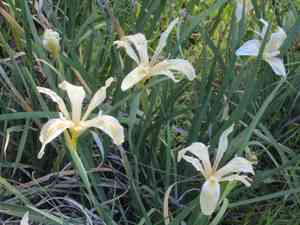
For fernald's iris, the ideal period for relocation spans from the gentle warmth of late spring through the early days of summer, providing excellent conditions for development. Select a bright location featuring soil that drains effectively, and during the transplanting process, minimize disruption to the root system to encourage rapid settling.
What Preparations are Needed Before Transplanting Fernald's Iris?
What is the Ideal Time for Transplanting Fernald's Iris?
The perfect time for moving fernald's iris falls between the vigor of late spring and the warmth of early summer. Choosing this period guarantees fernald's iris establishes itself smoothly in its new spot, utilizing mild temperatures favorable for root development without the stress of intense midsummer heat. Adopting this timing gives your fernald's iris a strong start, protecting it from weather fluctuations and maximizing its lush potential. The soil is ideally damp and warm, encouraging robust root growth, and the plant will have ample time to settle before colder months. Gently relocating fernald's iris during this interval is like guiding it into a supportive embrace, setting the stage for a flourishing display in your garden.
How Much Space Should You Leave Between Fernald's Iris Plants?
Hello, gardeners! When giving your fernald's iris a new location, aim for a snug yet spacious arrangement. Position them approximately 15-18 inches (38-46 cm) apart. This provides them sufficient room to thrive without crowding neighboring plants.
What is the Best Soil Mix for Fernald's Iris Transplanting?
For your fernald's iris, consider preparing a comfortable bed. They prefer well-draining soil – envision a sandy loam that cradles their roots perfectly. Improve their new home with a balanced, slow-release fertilizer to give them a healthy beginning.
Where Should You Relocate Your Fernald's Iris?
Sunlight is important for your fernald's iris! Find a location where they can enjoy partial sunlight. Some shade is also acceptable, especially during the hottest parts of the day. The ideal spot is bright yet gentle, like a soft morning.
What Equipments Should You Prepare Before Transplantation Fernald's Iris?
Shovel or Spade
For carefully digging around and beneath the plant to extract it from its current spot.
Gardening Gloves
To safeguard your hands while handling soil and the plant.
Watering Can or Hose
To hydrate the plant before and after the relocation process.
Wheelbarrow or Garden Cart
To move the fernald's iris and its soil without harming the plant.
Plant Supports/Stakes
To offer stability to the fernald's iris after transplanting, if needed.
Pruning Shears
For trimming any dead or excess growth prior to or following transplantation.
How Do You Remove Fernald's Iris from the Soil?
How Do You Remove Fernald's Iris from the Soil?
From Ground: First, water the fernald's iris plant to moisten the soil. Then, excavate a wide trench around the plant using a shovel or spade, ensuring the plant's root ball remains intact. Carefully work the spade under the root ball to lift the plant from its original position.From Pot: Water the fernald's iris to facilitate the removal process. Tilt the pot sideways and gently tap to loosen the plant. Support the fernald's iris by its base and slowly ease it out of the pot, taking care to keep the root ball whole.From Seedling Tray: Water the seedlings in the tray. Use a small spade or a gardening trowel to carefully lift the fernald's iris seedling, making sure to retain as much of the root system and surrounding soil as possible.
Step-by-Step Guide for Transplanting Fernald's Iris
Transplant Timing
Determine the optimal season to transplant fernald's iris, which is typically in early spring or fall when temperatures are milder.
Preparing the New Site
Dig a hole that is twice as wide but the same depth as the fernald's iris's root ball. Loosen the soil at the bottom of the hole to ensure proper drainage and root development.
Root Inspection
Examine the fernald's iris's roots once it's removed from its initial location. Trim any damaged roots with pruning shears.
Plant Installation
Place the fernald's iris in the prepared hole at the same soil level it was previously growing. Refill the hole with soil, gently tamping down to eliminate air pockets.
Stabilizing
If the fernald's iris is unsteady, install plant supports or stakes now to help keep it upright as it settles.
Initial Watering
Water the fernald's iris thoroughly after planting. This will help settle the soil around the roots and remove air gaps.
How Do You Care For Fernald's Iris After Transplanting?
Watering
Keep the soil around the fernald's iris consistently damp, but not waterlogged, for the first few weeks after transplanting to aid in establishing strong roots.
Mulching
Apply a layer of organic mulch around the fernald's iris to help retain soil moisture and regulate soil temperature.
Pruning
Trim back any dead or damaged foliage to encourage new growth and reduce stress on the fernald's iris.
Monitoring
Regularly check the fernald's iris for signs of stress, such as wilting or discolored leaves, and take corrective actions as needed.
Troubleshooting Common Issues with Fernald's Iris Transplantation.
What's the best time to transplant fernald's iris?
Relocate fernald's iris during the ideal period of late spring to early summer for optimal growth.
How far apart should I space fernald's iris when transplanting?
Allow fernald's iris ample room to thrive by spacing them 15-18 inches (38-46 cm) apart.
What to do if fernald's iris shows signs of wilting after transplanting?
Ensure the soil is moist but not saturated. Wilting may indicate either dehydration or excessive watering.
Why is my fernald's iris not blooming after transplanting?
Be patient, as fernald's iris may require time to adjust. Ensure sufficient sunlight and avoid over-fertilizing.
How deep should the hole be for transplanting fernald's iris?
Dig a hole that's just deep enough to accommodate the root ball of fernald's iris, promoting sturdy growth.
Can I use fertilizer right after transplanting fernald's iris?
Wait a few weeks before fertilizing to prevent root burn, then use a balanced, slow-release fertilizer.
How much should I water fernald's iris after transplanting?
Water fernald's iris generously after transplanting, then maintain consistent moisture without overwatering.
Why are the leaves of fernald's iris turning yellow after transplanting?
Yellow leaves can signal overwatering or poor drainage. Check moisture levels and adjust accordingly.
Is it normal for fernald's iris to look droopy after transplanting?
Some drooping is normal as fernald's iris acclimatizes. Provide shade and gentle watering during this period.
How should I prepare the soil before transplanting fernald's iris?
Enrich the soil with organic matter to ensure it's well-draining and fertile for fernald's iris's new home.



